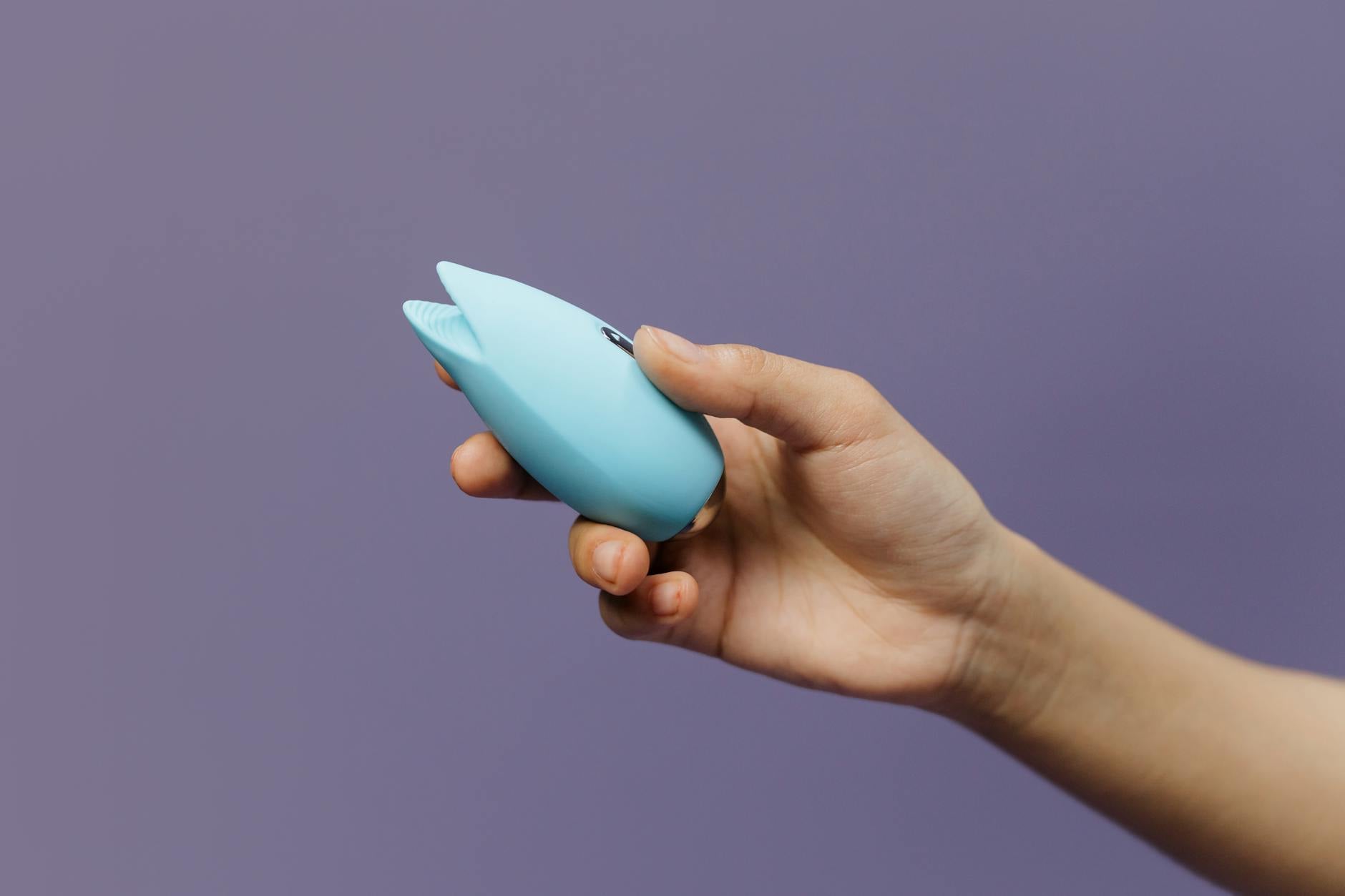
The thing nobody mentions about pleasure and your cycle
Your touch sensitivity isn't broken. It's cycling. Every week, your hormones shift the threshold for what feels good, what feels overwhelming, and what barely registers at all. This isn't a flaw in your body. It's a feature most people never learn to use.
If you've noticed that your lemon clitoral vibrator feels perfect one week and aggressively intense the next, you're not imagining it. The fluctuations are real, measurable, and completely normal. The problem isn't your body. It's that most people don't know how to adjust.
How estrogen and progesterone actually change sensation
During the follicular phase (days 1-14ish of your cycle), estrogen rises. This increases blood flow to your genitals, thickens the vaginal tissue, and heightens nerve sensitivity. Everything feels more present, more responsive. Arousal builds faster. Orgasms tend to be easier to reach.
Then ovulation hits. Estrogen spikes, sensitivity peaks, and for about 2-3 days your body is basically a tuning fork for stimulation. This is when you might notice the Lem's suction feels almost too much, even on pattern 1 or 2.
After ovulation, progesterone rises and estrogen dips. The luteal phase (days 15-28) is a different animal entirely. Tissue gets less engorged. Nerve sensitivity dulls slightly. It takes longer to build arousal. Your threshold for intensity climbs. A pattern that felt too strong two weeks ago might now feel just right, or even mild.
And then menstruation arrives. Sensitivity becomes highly personal. Some people want more pressure and intensity. Others want gentleness and slower builds. There's no "correct" week. There's only your week.
Mapping your sensitivity across the four phases
Menstruation (Days 1-5ish). Pain is possible. Tissue is shedding. You may feel either craving stimulation as a pain reliever or wanting zero touch pressure. If you're in the pleasure camp, start lower than usual. The Lem's suction is gentler than direct vibration, which helps. Go with patterns 1-2, longer warm-up. Some people find that orgasm reduces cramps. Others find it worsens them. Pay attention to your body's signal.
Follicular phase (Days 5-14). This is often peak arousal season. Estrogen climbs, sensitivity rises, and your body responds quickly. You might notice you want the Lem earlier in foreplay. Patterns 3-5 may feel just right where patterns 1-2 felt timid last month. If you usually pair the Lem with a partner, this phase is often when you'll coordinate most easily. The person with a vulva reaches arousal faster, responds more intensely. Less time spent chasing sync means more time enjoying it.
Ovulation window (Days 14-16ish). Sensitivity is at its peak. For 2-3 days, even pattern 1 can feel intense. This is when you might dial back from your follicular baseline. Drop to the lowest patterns and extend warm-up. Or, if intensity is what you want, this is your golden window for reaching the deepest orgasms of your cycle. Many people report that orgasms during ovulation feel qualitatively different. Longer, fuller, more whole-body. It's worth exploring.
Luteal phase (Days 17-28). Progesterone rises, estrogen dips, and sensitivity becomes muted. The Lem patterns that felt perfect two weeks ago might now feel borderline lazy. You're not numb. You're just working with less responsive tissue. This is when many people increase pattern intensity (moving from 3 to 5, for example), spend more time on warm-up (25 minutes instead of 15), or add external stimulation alongside the Lem to layer sensation. This phase is also when clitoral stimulation needs recovery time between orgasms, so when you need rest between waves, give yourself permission to pause.
The practical adjustment system
Here's how I help clients stop fighting their cycles and start working with them.
Step 1: Track for two months. Note the cycle day, which pattern you used on the Lem (1-6), how you felt (intense / just right / muted / painful), and how long warm-up took. You'll see a pattern emerge. You'll notice that day 11 always wants patterns 4-5, or that day 20 needs 20 minutes of foreplay instead of 10.
Step 2: Create a three-tier system. Low intensity weeks (menstruation, mid-luteal), medium intensity weeks (early follicular, late luteal), and high sensitivity weeks (late follicular, ovulation). For each tier, pick your go-to patterns, warm-up duration, and any layering approaches.
Low intensity: patterns 1-2, 20-25 minute warm-up, consider external stimulation or partnered touch alongside the Lem.
Medium intensity: patterns 3-4, 15-20 minute warm-up, solo or partnered play as preferred.
High sensitivity: patterns 1-3, 20+ minute warm-up, focus on extended stimulation rather than intensity.
Step 3: Adjust once weekly. On the first day of your follicular phase, mentally reset. Check in on Thursday or Friday to see if the week's tier is still matching your body. Adjust if needed.
Why partners need to know this too
If you're working with a partner, cycle awareness becomes foreplay intelligence. Your partner doesn't need to memorize your cycle. They need to understand that "I want slower patterns tonight" isn't a rejection of the Lem or of them. It's physics. It's estrogen. It's not personal.
Better conversations sound like: "This week I'm in my luteal phase, so I'll probably want more intensity, or we might need more warm-up time." That frame shifts the interaction from "something's wrong with how I'm responding" to "let's work together with my body's actual needs."
The couples I've worked with find that cycle awareness actually deepens intimacy. You're no longer operating on autopilot. You're checking in, adjusting, paying attention. That attention is its own form of connection.
Handling the hormonal plot twist
Some people use hormonal birth control. Hormonal IUDs (like Mirena) release progesterone systemically, which can flatten the monthly sensitivity cycle somewhat. You might still notice variation, but the peaks and valleys smooth out. This isn't good or bad. It's just different.
Some people are in perimenopause or menopause, where the cycle doesn't follow a calendar anymore. The fluctuations are messier and less predictable. This is when daily check-ins matter more than monthly planning. How your body responds to clitoral vibrators shifts with estrogen levels, and if you're in a transition phase, you might feel that shift acutely.
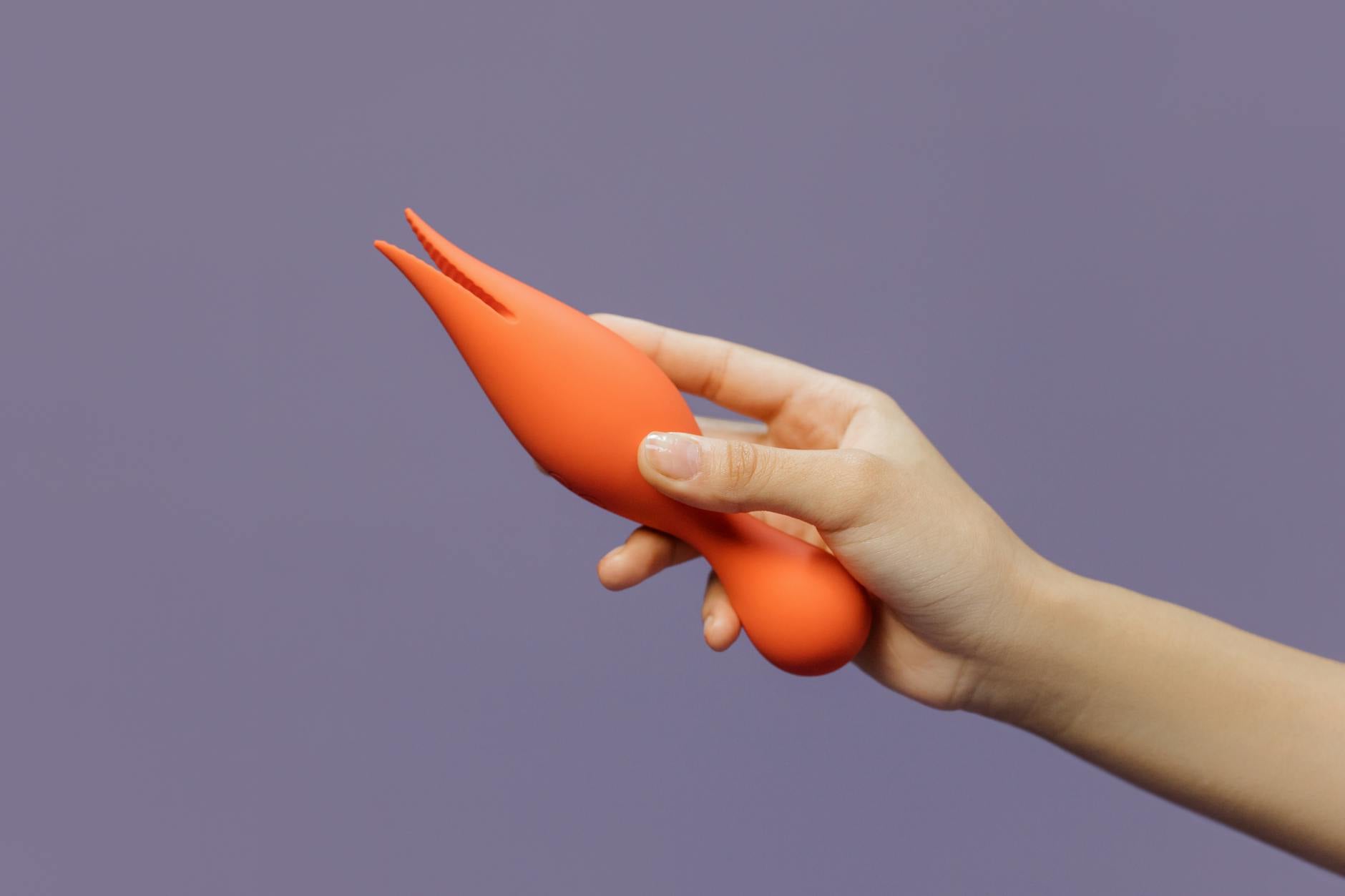
Photo by cottonbro studio on Pexels
The other plot twist: stress flattens your cycle. High cortisol suppresses estrogen. If you're in a stressful season of life, your sensitivity might not match your calendar. That's also normal. Your body's responding to actual conditions, not to a theoretical schedule.
The mental shift that actually matters
Most people approach pleasure like they're trying to hit the same target every week. When the target seems to move, they blame themselves. "Why don't I want intensity this week?" "Why did I orgasm so fast last time and barely at all this time?"
The reframe: your body isn't inconsistent. It's responsive. You're not broken. You're cycling. The same lemon clitoral vibrator, used with awareness of your hormonal phase, becomes a more nuanced tool. You're not trying to override your body's actual state. You're partnering with it.
This matters more than you'd think. People who stop fighting their cycles and start working with them report more satisfying pleasure overall. Not because the toy changed. Because the relationship to your own body changed. That's the real win.
FAQ
Can I use my lemon vibrator during menstruation?
Yes, if you want to. Menstrual pleasure is entirely personal. Some people find that orgasm relieves cramps. Others find it worsens pain. The safest approach is to start with lower intensity patterns and pay attention to how your body responds. If it feels good, continue. If it increases discomfort, pause and try again in a few days. There's no hygiene concern. Blood is just tissue.
Why does my ovulation window feel so sensitive?
Estrogen peaks right before ovulation, which increases blood flow to your genitals and heightens nerve responsiveness. For 2-3 days, you're operating at peak sensitivity. This is why patterns that felt moderate other weeks might feel intense. It's also why some people experience their deepest orgasms during this window. If intensity is uncomfortable, dial back the pattern numbers. If you're chasing intensity, this is your opportunity.
Does the Lem work differently based on my cycle phase?
The Lem itself doesn't change. What changes is your tissue's responsiveness to the suction. During high estrogen phases, the tissue is thicker and more engorged, which means the suction effect is more pronounced. During low estrogen phases, the tissue is thinner, so you might need to spend more warm-up time reaching the same sensation level. This is why adjusting patterns and warm-up duration across your cycle makes such a difference.
What if my cycle is irregular?
If your cycle is unpredictable (whether due to stress, hormonal changes, or other reasons), tracking by feeling rather than calendar date works better. Check in with yourself before pleasure sessions: "How does my body feel today?" Start with lower patterns and adjust upward. You'll still notice four distinct phases across any month, even if the timing shifts. The phases themselves are stable. The calendar is just one guide.
Can hormonal birth control flatten my cycle sensitivity completely?
Hormonal birth control can reduce the monthly peaks and valleys, but most people still notice some cyclical variation. Hormonal IUDs tend to preserve more sensitivity variation than pills do. If you're on hormonal birth control and your pleasure patterns feel flat, that might be the medication. It's worth discussing with a doctor if it's affecting your quality of life. Non-hormonal alternatives exist.
How do I explain cycle awareness to a partner who thinks it's overthinking?
Frame it as information that makes pleasure better for both of you. "This week my body's going to respond slower because of where I am in my cycle. That doesn't mean anything's wrong. It means I need 20 minutes of warm-up instead of 10, and I might want patterns 5 instead of 3." Most partners are relieved. It shifts the responsibility from "Am I turning you on enough?" to "Let's work with your actual body." That's collaborative, not complicated.
The thing to remember
Your sensitivity isn't a bug. It's a feature your body's been running the whole time. You're just finally learning to read the settings. Once you do, lemon vibrators become far more satisfying because you're using them in harmony with your hormonal reality instead of in spite of it. That's not overthinking pleasure. That's respecting it.
If you want to dive deeper into how hormonal shifts affect sensation and response timing, learn how to extend arousal without rushing toward orgasm. Understanding your body's timing is half the battle. Working with it is the whole win.