Let's be real about what happens after you come
You have an orgasm. It's good. And then your clitoris becomes a no-touch zone for a while. Not because you're broken or tired, but because your nervous system just fired every nerve ending in that region and now it needs to reset. That refractory period is completely normal, completely physical, and completely workable with the right approach.
The problem: if you try to go again immediately using the same friction-based stimulation that got you there the first time, you're going to hit a wall. Either numbness or straight-up pain. Neither helps when you're chasing multiple orgasms. But if you switch tools and techniques during that recovery window, you can absolutely stack them.
How refractory periods work below the surface
After an orgasm, your clitoris goes through a desensitization phase. The nerves are exhausted. The blood flow that was concentrated there during arousal begins to redistribute. Touch that felt incredible two minutes ago now feels too intense or completely dead.
This isn't psychological. It's neurology. The pudendal nerve (the main sensory highway for the clitoris) has a recovery curve. In people with vulvas, this recovery is usually 30 seconds to a few minutes, depending on how intense the first orgasm was and how sensitive your anatomy is. Some people are ready again in 60 seconds. Others need ten minutes.
The bigger issue: if you keep hammering the same spot with the same pressure during recovery, you're not respecting that curve. You're just grinding into numb tissue, which feels frustrating and sometimes painful.
Why the Lem works differently during recovery windows
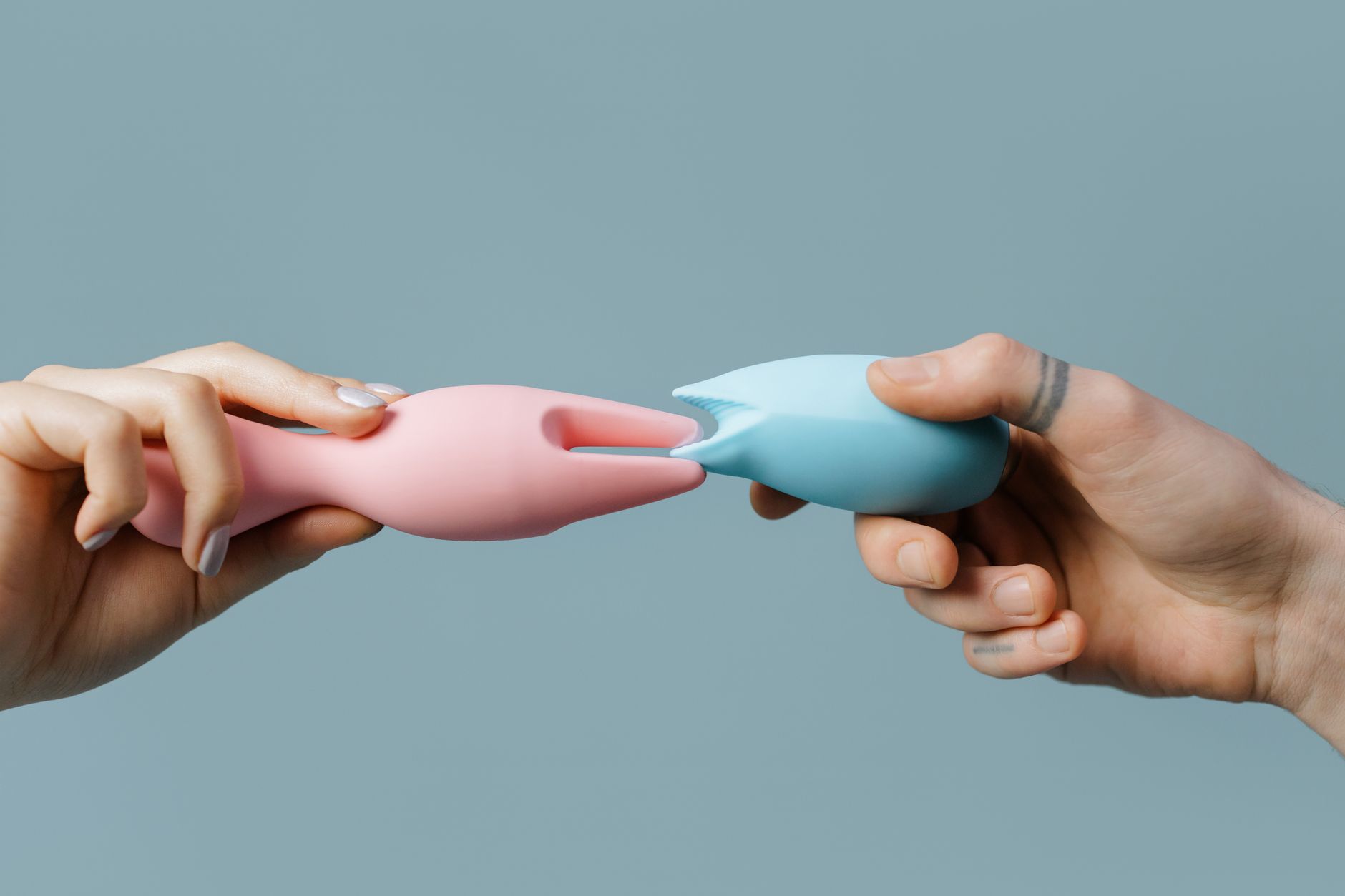
Lemon clitoral vibrators like the Lem use suction and gentle pulse patterns rather than direct friction. That distinction matters enormously when your clitoris is recovering.
Direct friction (fingers, wand vibrators, or partner stimulation) creates localized pressure. During recovery, that pressure feels too intense because the nerve endings are still firing from the previous orgasm. You're essentially asking an exhausted system to spring back into action immediately.
Suction-based stimulation (which is how the Lem works) pulls the clitoral tissue upward and massages the entire vulval structure, not just the tip. It's less like knocking on a door and more like gently opening it wider. The sensation is diffuse. It doesn't pile directly onto the most sensitive nerve cluster. Instead, it engages the broader network of nerve endings around the clitoris, which have a faster recovery time than the most sensitive spot itself.
That's why many people find they can go from one orgasm to the next faster using a lemon sucker vibrator than they can using their hand or a partner's fingers.
The pattern timing strategy that changes everything
Here's the practical piece: the Lem's adjustable intensity patterns let you work with your refractory curve instead of against it.
Immediately after your first orgasm, stay off that clitoris for 20-60 seconds. Seriously. Do nothing. Breathe. Let your nervous system settle. Then start with the Lem on the lowest pattern (usually patterns 1-2) and place it very gently. You're not going for sensation yet. You're checking whether your clitoris is ready to engage.
If it feels good, stay there for another minute or two. Let arousal build slowly. This is different from the frantic build to your first orgasm. This one is gentler, more diffuse. Your body will let you know when it wants to escalate to a higher pattern.
Many people find they can reach a second orgasm faster this way because the Lem's gentler suction respects the recovery window while still keeping arousal going. You're not losing momentum, but you're also not forcing tissue that isn't ready.
Why friction fails during recovery (and what to do instead)
If you've tried going for a second orgasm with your fingers or a partner's hand immediately after the first one, you probably hit this wall: numbness, tenderness, or that feeling of overstimulation where more sensation feels like less, not more.
That's because direct friction requires that most-sensitive spot to refire at full intensity right away. It can't. Your nervous system hasn't finished its reset cycle. Pushing through feels wrong because your body is telling you it actually is wrong.
Lemon sexual toys that use suction get around this because they don't require that pinpoint sensitivity to work. The feeling is broader. Your clitoris can be partially recovered and still feel amazing because the stimulation is distributed.
If you want to use fingers between orgasms, keep them light and focus on the sides of the clitoris or the labia rather than the head itself. That peripheral stimulation can help keep arousal up while the most sensitive area recovers.
Building toward multiple orgasms without clitoral numbness
The real key to stacking orgasms isn't pushing harder. It's understanding pacing.
First orgasm: build intensity steadily, whatever tool gets you there fastest.
Recovery phase (20-90 seconds): hands off. Breathe. Maybe kiss your partner or focus on their touch elsewhere on your body.
Second arousal phase: restart gently with the Lem on a lower pattern. You're priming the system, not demanding it perform. This phase usually takes 3-5 minutes, longer than the initial buildup.
Second orgasm: often feels different than the first. Sometimes less intense, sometimes more focused or subtle. Both are normal. As you come, you might notice less visible sensation but more internal pleasure or a different kind of pulsing. That's your nervous system responding differently, not a sign something's wrong.
Third and beyond: if you're chasing multiple orgasms in one session, the refractory period gets longer with each one. Your body isn't failing you. It's just being honest about its limits. Three orgasms in one session is genuinely a lot. Some days you'll want that. Most days, two might feel like the sweet spot.
What numbness actually means (and when it's time to stop)
There's a difference between normal sensitivity shifts and actual numbness that signals you should pause.
Normal: your clitoris feels less responsive after your first orgasm, but sensation returns within a few minutes. The second orgasm might feel more subtle or arrive from a different angle.
Warning sign: your clitoris feels completely numb or painful even 5-10 minutes after the first orgasm, or stimulation that usually feels amazing now feels irritating no matter what intensity you try.
If you're hitting that second kind of numbness, you've likely overstimulated the nerve. Take a genuine break. Switch to something that doesn't involve your clitoris directly. Oral sex from a partner, penetration, or full-body touch can keep arousal going while your clitoris recovers. Come back to lemon clitoral vibrators after 15-30 minutes.
This isn't failure. This is listening to your body.
Making multiple orgasms part of your regular routine
If you want to consistently reach multiple orgasms, the Lem gives you the physical tools, but pattern and timing give you the strategy.
Consistency matters more than pushing intensity. If you're always sprinting to the first orgasm and then expecting your body to immediately deliver a second, you're fighting biology. But if you build in that gentler recovery phase and use a lemon vibrator's suction-based approach, you're actually working with how your nervous system operates.
Most people find they need to practice this a few times before it clicks. Your clitoris will tell you what it needs once you stop assuming it should behave like it's the first orgasm every time.
Many of my clients report that after a few weeks of this pattern, their bodies start anticipating the second wave and recovery gets shorter. You're training your nervous system toward a rhythm it actually enjoys, not one you think it should follow.
FAQ: Multiple Orgasms and Recovery
How long does refractory period last after one orgasm?
Typically 30 seconds to 5 minutes for most people with vulvas. Some people bounce back in under a minute. Others genuinely need 10-15 minutes before their clitoris is ready for direct stimulation again. This varies day to day based on arousal level, stress, hormonal cycle, and plain old individual physiology. There's no "correct" timeframe. The Lem lets you find yours by offering adjustable intensity so you can test when your clitoris is actually ready.
Can you have multiple orgasms if you've never had one before?
Yes, but not necessarily right away. If you're new to orgasms in general, your nervous system is still learning its own patterns. Multiple orgasms usually come once you've had enough single orgasms that your body understands the full cycle and can repeat it. Using a clitoral vibrator like the Lem actually makes that learning faster because the consistent sensation helps your nervous system dial in the sequence more reliably than variable friction does.
Does using the Lem between orgasms reduce sensation over time?
Not if you respect recovery windows. The problem isn't the tool. The problem is overstimulation during refractory periods. If you treat the Lem like a one-tool solution and keep it on high intensity through recovery, yes, your clitoris will go numb. But if you drop to lower patterns and give your nervous system actual breaks between orgasms, sensation stays sharp. Most people find the opposite happens: their clitoris becomes more responsive because they're not exhausting it.
What's the maximum number of orgasms you can have in one session?
It depends on your body, but for most people, chasing more than 3-4 in one session hits diminishing returns. You're fighting increasingly longer refractory periods and your nervous system might actually start feeling fatigued rather than aroused. Quality beats quantity. Two orgasms that feel amazing is better than five that feel increasingly muted. That said, there's no rule. If your body wants more and feels good delivering them, go for it. Just be honest about when numbness is telling you to stop.
Do multiple orgasms feel different from single orgasms?
Almost always. The second orgasm often feels softer, more internal, or different in rhythm from the first. The third might feel almost entirely different in location or intensity. This is because your nervous system is approaching from a different physiological state each time. You're not chasing the same sensation repeatedly. You're exploring variations on it. This is actually where it gets interesting. Many people prefer their second or third orgasm once they stop expecting them to match the first.
Is it normal to want a break after one orgasm instead of going for more?
Completely. Not everyone wants or enjoys multiple orgasms. Some people have one great orgasm and are done. That's totally valid. The Lem and these strategies are for people who do want to explore multiple orgasms, but choosing to stop at one is never wrong. Your pleasure doesn't need to match anyone else's pattern or timeline.
You already know what your body needs
The honest truth about multiple orgasms and recovery: your clitoris will tell you exactly what it's ready for if you listen instead of demanding. The Lem's adjustable patterns and suction-based approach just make that conversation clearer and easier.
If you're curious about exploring this, start with one session where you're not trying to reach multiple orgasms at all. Just experience what your natural recovery looks like. How long until sensation returns? What does your clitoris want during that window? Does softer stimulation feel better than harder? Your answers to these questions matter infinitely more than following a formula.
Once you know your own curve, you can work with it. And that's when stacking orgasms becomes less about pushing and more about flow.