The return to pleasure isn't instant
Let's be real. When you haven't touched yourself in two years, or five, or longer, that first moment of renewed sensation can feel jarring. Not bad. Just different. Your body might feel more sensitive than you remember, or less responsive, or weirdly both at once. That's not a sign something's wrong. It's exactly what should happen when your nervous system wakes up from a long sleep.
I work with couples navigating what I call "the long dry spell." Sometimes it's grief, sometimes it's kids, sometimes it's a relationship that shifted and never shifted back. Whatever the cause, the return to pleasure requires more than just touching yourself. It requires understanding what your body has been through and what it needs now.
Why your nervous system needs a reset
Your nervous system has memory. When you stop engaging in pleasure for an extended period, your body downregulates its arousal response. This is adaptive. If you're not using a system, your brain allocates resources elsewhere. Your genital tissue gets less blood flow during rest. Your pelvic floor might tighten from disuse or from holding tension related to whatever caused the dry spell in the first place.
Then you come back. And suddenly you're asking your nervous system to rev up again. That transition period is real and it takes time. Air suction lemon vibrators like the Lolly Mini Wand or the Lem feel so different during this reentry because they stimulate in a way that's gentler than direct vibration but more focused than broad pressure. For someone whose tissue has become more sensitive from disuse, that's often exactly the right middle ground.
But the nervous system part matters more than the toy part. Your brain has been in a certain state. Your body has held certain patterns. Pleasure isn't just a physical response. It's a state of permission you have to give yourself.
The emotional component is bigger than the physical one
Here's what surprised me early in my practice: the biggest barrier to returning to pleasure after a long absence wasn't usually physical. It was emotional. People felt guilty. They felt rusty. They felt like they didn't deserve it after so long away.
That emotion lives in your nervous system too. It shows up as tension. Your pelvic floor tightens. Your breathing becomes shallow. You can have the most beautiful lemon clitoral vibrator in the world, but if your brain is telling you that you don't deserve this, your body won't cooperate.
The work of returning to pleasure after years away is part practical and part emotional permission. You have to give yourself actual permission. Not intellectual permission. The kind that lives in your body. That usually means starting slower than feels necessary and building gradually.
What happens physically when you return
Your body goes through predictable stages as you reawaken pleasure after a long break.
Stage one is confusion. Your nervous system has to reorient. You might feel sensation in unexpected places or feel almost nothing in places you remember being sensitive. This is normal. Your brain is literally remapping the sensory landscape.
Stage two is oversensitivity. Once your nervous system figures out what's happening, you might feel more sensation than you remember. A lemon vibrator that would have felt gentle a few years ago now feels intense. This happens because your tissue is more delicate after disuse, and because your nervous system is paying more attention. You're not broken. You're waking up.
Stage three is integration. Over weeks or months, sensation normalizes. Your nervous system recalibrates. Your pelvic floor relaxes. Arousal builds more easily. This is when lemon vibrators start to feel like the right tool rather than an overwhelming one.
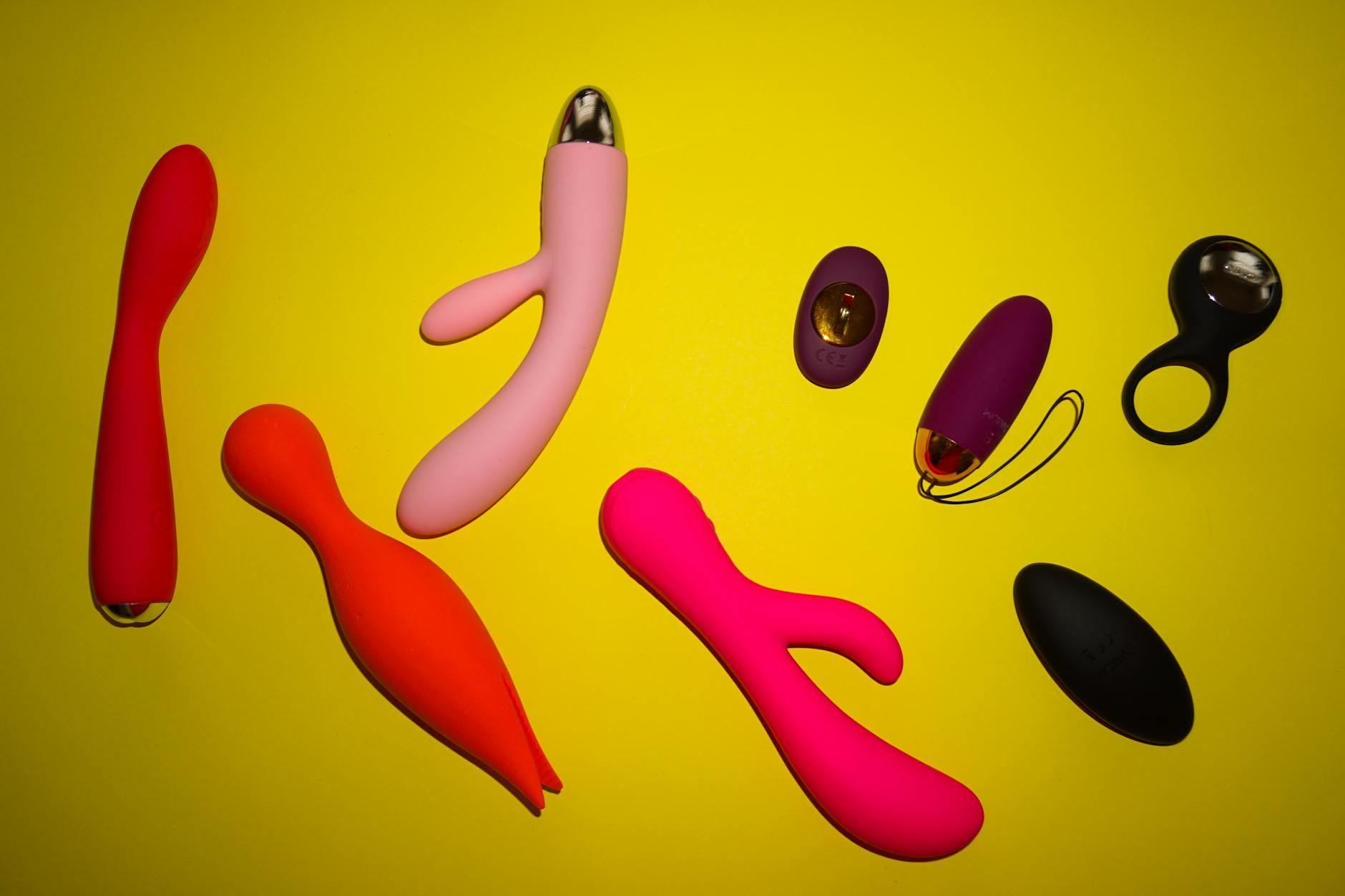
Photo by FounderTips on Pexels
Why air suction feels different than vibration when you're restarting
If you're returning to pleasure after a long absence, air suction vibrators like the Lem have an advantage over traditional vibrators. Air suction stimulates the nerve endings around the clitoris through gentle pulsing pressure rather than direct mechanical vibration. For sensitive tissue or a nervous system in reawakening mode, this feels less overwhelming. It's intense, but it's a different quality of intensity. Less buzzy. More rhythmic. More like pressure waves.
When you haven't used your body in a long time, you often can't predict how you'll respond to sensation. Air suction lets you adjust intensity gradually without jumping from pattern 1 to pattern 5. The subtle differences between settings are easier to navigate when you're learning your own body again.
How to ease back in without overwhelm
Three concrete things help most people who are restarting after years away.
One: Start with touch, not toys. Spend a few sessions with your hands. Let your nervous system recognize pleasure without the extra stimulus of a vibrator. This sounds basic and it matters wildly. Your brain needs to remember that touch feels good before you add intensity.
Two: Use lube, even if you remember not needing it. Tissue that's been dormant gets drier. It's not a sign of inadequacy. It's just what happens. Water-based lubricant changes the entire experience, making it feel less friction-based and more sensation-based. That's the goal.
Three: Set a timer or a boundary. Fifteen to twenty minutes is enough. You're not trying to have an orgasm. You're trying to wake your nervous system up gently. This takes the pressure off performance and puts it back on sensation.
The relationship between pelvic floor tension and returning pleasure
Most people who've stepped away from pleasure for years hold tension in their pelvic floor without realizing it. Whatever caused the dry spell - grief, medical trauma, relationship pain, exhaustion - your body holds it. Your pelvic floor tightens as a protective mechanism. When you try to return to pleasure, that tension makes everything feel either numb or overwhelming.
Lemon vibrators can actually help release that tension if you use them mindfully. The gentle stimulation invites your pelvic floor to relax. But you have to actively work on releasing it too. Deep breathing, feeling into the relaxation, sometimes even professional pelvic floor physical therapy if the tension is severe.
This is worth exploring before assuming your body is broken or that you've lost the ability to feel pleasure. Most of the time, it's just that your protective mechanisms need permission to stand down.
The nervous system learns differently when you're starting over
Here's something I wish more people knew. Your nervous system has what's called "state-dependent learning." It learns best in the state it's in when you're practicing. If you're stressed, rushed, or guilty about returning to pleasure, your nervous system learns to associate pleasure with stress. That's backwards. You want to teach your nervous system that pleasure is safe.
This means the circumstances matter as much as the tools. Good lighting, locked door, phone off, no time pressure. Not because pleasure is sacred in some spiritual sense, but because your nervous system learns context. You're teaching it that this is safe space. That this is allowed. That this is for you.
When to seek professional support
If returning to pleasure feels impossible after several months of gentle exploration, or if you're experiencing pain, that's a conversation for a therapist or a doctor. Sometimes the barrier is clinical. Hormonal shifts, medication side effects, or trauma that needs professional support to process. There's no shame in that. Your nervous system might need more support than a toy and patience can offer.
A sex-positive therapist or a doctor trained in sexual health can help you figure out what's actually happening and what you actually need. That might be hormone therapy. It might be trauma processing. It might be couples therapy if you have a partner and the dry spell happened in a relationship. Whatever it is, you don't have to figure it out alone.
The good news is that most bodies, given time and permission and the right tools, do find their way back to pleasure. You're not starting from zero. Your body remembers how to feel good. It just needs an invitation.
FAQ
Why does returning to pleasure after years feel more intense than I remember?
Your tissue has become more sensitive during the period of disuse because it's had less stimulation and blood flow. Your nervous system is also paying closer attention because pleasure is novel again. Both of these things are temporary. Over weeks or months, sensation normalizes as your body recalibrates. It's not a sign of damage. It's a sign that your body is waking up.
Can lemon vibrators help with pelvic floor tension after a long dry spell?
Yes, they can help release it. The gentle stimulation of air suction vibrators like the Lem invites your pelvic floor to relax rather than tightening further. But pairing the vibrator with conscious relaxation work - deep breathing, tension release techniques, sometimes pelvic floor physical therapy - works better than the toy alone. Your nervous system needs to learn that it's safe to let go.
How long does it take for pleasure to feel normal again after stepping away for years?
Most people notice shifts within two to three weeks of gentle exploration, but full reintegration usually takes two to three months. Your nervous system is learning a new baseline. Your tissue is regaining sensitivity. Your emotional relationship with pleasure is shifting. This timeline varies based on how long you were away, what caused the break, and whether there's underlying trauma to process. Patience with yourself matters more than speed.
Should I talk to my partner about restarting pleasure after a long break?
If you have a partner, yes. Even brief honesty helps. Something like: "I'm working on reconnecting with my own pleasure. This might feel different for a bit. I'm exploring what feels good." This sets the expectation that things might shift and invites them into the process rather than leaving them confused. For more on navigating this together, <a href="/blog/how-to-ease-back-into-pleasure-after-a-long-dry-spell">easing back into pleasure with a partner takes communication and patience</a>.
Why do air suction vibrators feel better than traditional vibrators when restarting?
Air suction vibrators stimulate through gentle pulsing pressure rather than mechanical vibration. For tissue that's sensitive from disuse or a nervous system in reawakening mode, this feels less jarring. The intensity is still real, but it's a different quality - more rhythmic, less buzzy. It also gives you more granular control over sensation, which matters when you're learning your body again.
What if I feel pain when I try to return to pleasure after years away?
Pain is a boundary signal. It means stop and get support. Pain during pleasure isn't normal and it's not something you should push through. Talk to a doctor or a pelvic floor physical therapist. The barrier might be physical - tissue changes, hormonal shifts, vaginismus. It might be emotional - your body protecting you from something. Either way, professional support gets you answers faster than guessing.
You're not starting from scratch
Your body remembers pleasure. Even after years away, the neural pathways are still there. The tissue is still capable. What takes time is permission. It's your nervous system recalibrating. It's your brain believing that this time it's safe. That this time it's allowed.
Lemon vibrators, lube, and a few moments of undistracted attention can help bridge that gap. But the real work is the emotional permission to come home to your own pleasure. You deserve that. Your body deserves that. And it's waiting for you to decide that it's time.