
The sensitivity mismatch is more common than you think
Let's be real. One of you touches down and feels everything. The other one touches the same spot and registers almost nothing. This isn't a problem. It's friction. And friction kills sex faster than almost anything else.
The sensitivity difference between partners shows up in a lot of ways. Sometimes it's neurological. Sometimes it's hormonal. Sometimes one person has spent years numbing out and the other hasn't. Whatever the reason, you're stuck in a loop: either you go too soft and one person gets bored, or you go too intense and the other person is uncomfortable.
Lemon vibrators and clitoral suction toys solve this in a way most couples miss. They don't just amp up sensation. They give you independent control.
Why sensitivity differences matter more than people admit
I see a lot of couples try to power through this by talking about it more. Communication is good. But communication doesn't change your nervous system. The person who needs strong sensation to feel anything isn't being difficult. The person who gets overwhelmed by intensity isn't being prudish. You're both stuck with the bodies you have.
When you're using the same approach to pleasure, one of you is always compromising. The compromise person eventually stops initiating. They start feeling resentful. Sex becomes transactional instead of connecting. That's where a tool like a Lem vibrator changes everything.
Clitoral suction technology works differently than traditional vibration. The sensation is more concentrated and precise. A partner with lower sensitivity can use it at higher suction levels and feel a profound response. At the same time, a partner with higher sensitivity can use it on the gentlest setting and still get more than enough stimulation.
This isn't about one person being broken. It's about giving both of you the right tool for your own body.
The architecture of sensation differences
Understanding what's actually happening helps you stop taking it personally. Sensitivity isn't one thing. There are several layers.
Threshold sensitivity. How much stimulation it takes to register as pleasure at all. Some people's nerves fire up at a light touch. Others need real pressure to wake up.
Sustained sensitivity. Can you keep feeling the same thing after a few minutes, or does your body adapt and the sensation fade? People with ADHD or certain other neurotypes often adapt faster and need intensity changes to stay engaged.
Recovery sensitivity. After you've had an orgasm or intense sensation, how quickly can you feel pleasure again? Some partners recover in minutes. Others need 15-20 minutes before direct stimulation feels good instead of raw.
Contextual sensitivity. Stress, hormones, medication, hydration, sleep, and relationship dynamics all shift your sensitivity. The person who felt nothing last week might feel everything this week.
When you're trying to sync up pleasure with someone whose sensitivity is wildly different, you're fighting physics. The solution isn't to try harder at the same thing. It's to use tools that give each of you separate control.
How lemon vibrators help with the intensity gap
A lemon clitoral vibrator gives you something a hand, a finger, or even a partner can't: independent intensity control. When you're using it together, you can each hold it at a different pressure. You can each choose your own pattern.
Better yet, you can use multiple toys at once. One partner uses a Lem vibrator at pattern 2 while the other uses one at pattern 5. Same toy, completely different experiences. No negotiation. No compromise.
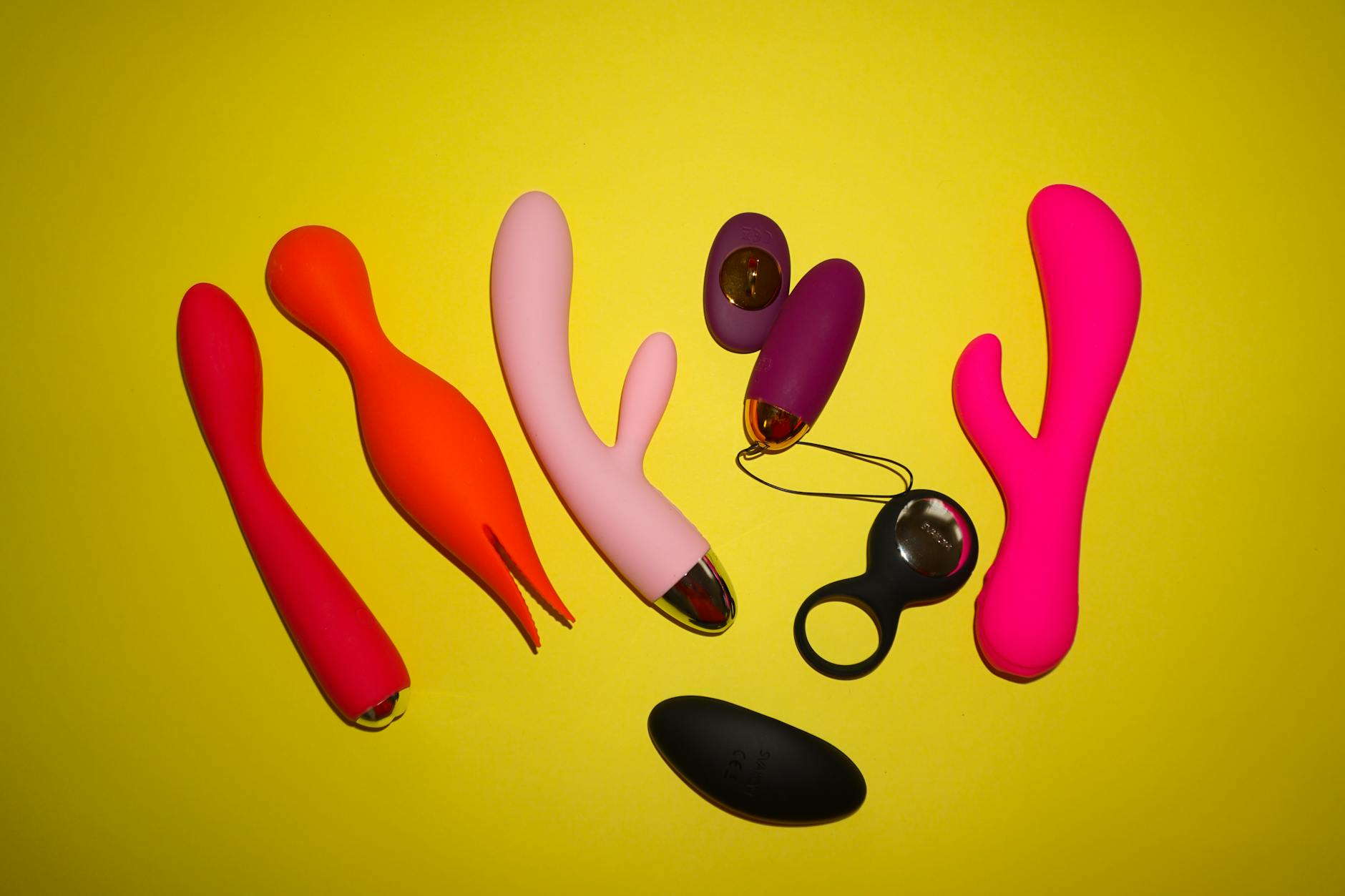
Photo by FounderTips . on Pexels
The suction mechanism is also less fatiguing for the high-sensitivity partner. Traditional vibration can become overwhelming if the intensity is high for too long. Suction stimulates nerves without the same relentless buzzing sensation. You can sustain a higher intensity for longer because it feels different, not just stronger.
For the low-sensitivity partner, lemon suction toys are a game changer because they work. After years of fingertips and even traditional vibrators feeling like nothing, suction actually registers. That shift in responsiveness changes everything about how the low-sensitivity partner experiences their own body.
Rhythm, pacing, and the recovery time problem
Sensitivity differences also show up in how fast you need things to move and how long you need to rest between sessions. The high-sensitivity partner might be done in 5 minutes and need an hour before they want direct stimulation again. The low-sensitivity partner might need 20 minutes to get there and then be ready for more in 10.
This is where separate toys become essential. If you're both using the same lemon vibrator, you're locked into one speed, one intensity. If you each have your own, one person can slow down, stop, rest. The other can keep going or pick up the pace. You're having synchronized pleasure without having to have synchronous bodies.
That also takes pressure off partnership. You're not waiting for your partner to catch up. You're not holding back because they're getting overwhelmed. You're moving at your own pace and trusting them to move at theirs.
Some couples build solo time with their clitoral vibrators into partnered play. One partner uses a lemon sucker while the other penetrates or uses a hand toy. Everyone's intensity is dialed in for their own nervous system. The connection comes from being present and attentive, not from trying to sync sensation.
Communication patterns that actually help
Using toys separately doesn't mean you're not talking. It actually makes the conversation easier because you're not in the middle of compromising.
Before sex, not during, have a very short conversation about what intensity range each of you is thinking about that day. The high-sensitivity partner might say "I'm thinking pattern 1 or 2 today." The low-sensitivity partner might say "I need at least pattern 4." No judgment. No fixing. Just information. Then you both grab what you need and you're not negotiating in the moment.
This also means you can track patterns. Maybe the high-sensitivity partner is less sensitive on days when they've slept well and had caffeine. Maybe the low-sensitivity partner is more responsive right after exercise. When you stop fighting the differences and start observing them, you get useful data.
When to bring it up with your partner
Start outside the bedroom. Not during sex, not right before sex. Bring it up when you're both relaxed and clothed. Here's a framework that works.
"Hey, I've noticed our bodies seem to respond to touch pretty differently. I don't think one of us is wrong. I just think we might benefit from having our own tools sometimes so we're both actually enjoying ourselves instead of one of us compromising."
Then let them sit with it. Don't sell it. Don't convince. If they're interested, you can explore options together. If they're hesitant, give them time. Some partners feel weird about toys at first. That's normal. Keep the door open.
Many couples find that once they try dual lemon vibrators or one partner using a clitoral sucker while the other uses something else, the resistance disappears. Suddenly sex is actually good for both of you instead of being a negotiation.
The practical setup that works
If you're going to use separate lemon clitoral vibrators or different toys, a few logistics help. Keep them in the same place so you're not hunting. Charge them together. Have them out and accessible, not hidden away. The less friction around grabbing what you need, the more likely you'll actually use them.
Also consider having at least one toy that's easy for both of you to use comfortably. A Lem vibrator works across most sensitivity levels because the suction adjustment is so fine-tuned. You can find a pattern that works for everyone, even if you're using different intensity levels within it.
If one of you has much lower sensitivity, a clitoral suction toy designed for intense stimulation might be the right match. If the other is high-sensitivity, something gentler or with more variability in patterns helps. You don't need a toy collection to solve this. Usually two or three toys give you enough flexibility.
What changes when you stop fighting sensitivity differences
Once you've accepted that you and your partner genuinely do have different sensitivity needs, and you've set up tools to honor both of those needs, sex starts feeling different. Less like a problem to solve. More like two people actually enjoying themselves.
The high-sensitivity partner stops feeling like they're ruining things by needing gentleness. The low-sensitivity partner stops feeling broken because they need intensity. You both stop performing and start actually experiencing pleasure.
That shift is huge for intimacy. Because when you're both having genuinely good sensation, you're both present. You're both engaged. The connection that matters most isn't about matching sensation exactly. It's about both of you showing up fully in your own bodies and with each other.
Using lemon vibrators and clitoral suction toys when you have different sensitivity levels isn't a workaround. It's the honest approach. You're acknowledging what's true about your bodies and giving yourselves the best possible experience.
People also ask
Can two partners use one lemon vibrator at the same time?
Technically yes, but usually not ideally. If one person holds the vibrator while the other receives, you're back to the compromise problem. One person controls the intensity and the other is stuck with it. Two separate lemon vibrators or clitoral suction toys is the setup that actually works because each partner can adjust to their own needs without negotiation.
What if my partner thinks toys make them feel replaced?
This is really common and worth addressing directly. Toys don't replace your partner. They replace your hand when your hand can't do what your nervous system needs. Frame it that way. You're not choosing the toy over them. You're choosing to both feel good during sex together. Sometimes that requires different tools. That's about maximizing your shared pleasure, not avoiding each other.
Does the sensitivity difference ever balance out?
Sometimes. Hormones shift, stress levels change, medication changes, and sensitivity adapts. But you can't count on it. The most sustainable approach is to work with what's true now, not wait for your bodies to magically synchronize. When you do that, you're not holding your sex life hostage to a change that might not come.
If we use separate toys, are we still having partnered sex?
Absolutely. Partnered sex isn't defined by touching the exact same spot with the exact same pressure at the exact same time. It's about being present and engaged with each other while you're both experiencing pleasure. You can be using completely different toys and still be deeply connected. Sometimes that connection is stronger because you're both actually satisfied.
How do we introduce toys without it feeling awkward?
Start by using them solo first if you haven't already. Get comfortable with your own body and what feels good. Then bring it up to your partner in a low-pressure way. "I've been exploring what actually works for my body. I'd like to use this when we're together so I can feel more present." Make it about your own pleasure, not about what's missing with them. Usually the awkwardness disappears once you both see how much better sex gets.
What if one of us orgasms way faster than the other?
Sensitivity differences often go hand-in-hand with timing differences. The person who needs more intensity might also need more time to get there. Using lemon vibrators separately helps because the faster-responding partner can have their orgasm and then keep stimulating themselves gently while the other keeps building. You're not stopping mid-pleasure to wait. You're both continuing at your own pace.