
How to Use Lemon Vibrators When Sensation Feels Numb or Muted During Partnered Sex
The disconnect nobody talks about
Here's the thing. You're with your partner. Touch is happening. Everything looks right on paper. But your body feels like it's behind frosted glass. You can't quite feel what's being done to you. Arousal isn't building. Pleasure feels distant or scattered instead of focused. And you're wondering if you've broken something or if this is just how it's going to be now.
It's not permanent. Numbness during partnered sex is one of the most common and most fixable pleasure problems there is. But it needs a different approach than solo sensation training.
Why sensation goes numb (and why it's not what you think)
Most people blame physical causes first: hormones, medication, circulation, age. Those are real factors. But I see numbness during partnered sex come from three places that don't get talked about enough.
Mental distance is the biggest one. When you're with a partner, your brain is juggling their pleasure, their timing, performance anxiety ("Am I taking too long?"), body image thoughts, whether the kids are actually asleep. That cognitive load is like running 15 browser tabs while trying to focus on one. Your nervous system literally deprioritizes sensation.
Anticipatory tension also dulls things. If you've had numbness before, part of you is already waiting for it to happen again. That creates a subtle clenching in the pelvic floor and a hypervigilance that blocks sensation rather than opens it. Your body goes defensive.
Mismatched stimulation patterns matter too. Your partner's rhythm, pressure, or angle might be close to what works for you but not quite. Close isn't enough to trigger arousal. It just creates a dead zone of "not quite" that feels like nothing.
Why lemon vibrators work for this specific problem
Unlike fingers or a partner's body, a clitoral vibrator like the Lem delivers consistent, targeted stimulation that doesn't require your nervous system to guess. The suction pattern and intensity are predictable. This is actually the opposite of boring. It's foundation-building.
When sensation is muted, you need to show your nervous system what pleasure feels like again. A lemon clitoral vibrator does that cleanly. No mixed signals. No "almost." Just direct, reliable feedback that says to your brain: "This is feeling good. Pay attention."
The second reason is that the Lem doesn't require the kind of mental effort that partner touch does. It doesn't activate performance monitoring. You can relax into it instead of managing it.
How numbness happens in relationships (the honest version)
I want to be direct about something. Numbness during partnered sex is often less about your body and more about the relational dynamic. If you're with someone who:
- Doesn't check in about what feels good
- Rushes through foreplay
- Makes pleasure about their satisfaction
- Has made you feel judged for your body or responsiveness
Then your nervous system learns that partnered sex isn't a safe place to feel. It literally numbs as protection. That's not a flaw in you. That's your body being smart.
Before you use a vibrator in partnered sex, you might need a conversation first. Not a "we should talk" that feels heavy. Just: "I want to feel more. Let's try something together." That shift, that actual interest in your sensation, changes everything.
The four-step framework for rebuilding sensation together
Step one: Solo reconnection.
Start alone. Use the Lem or another lemon clitoral vibrator on your own for two or three solo sessions. Low intensity. No pressure to come. Just you and the vibrator, learning what sensation is supposed to feel like. This is the baseline. This is what your nervous system needs to remember.
Step two: Partner observation.
Invite your partner to watch. Not to participate yet. Just to be present while you use the vibrator on yourself. This does two things. It normalizes the tool in your relationship (kills the shame or weird energy around it). And it lets your partner see what you respond to. Watch where you tense. Listen to your breathing change. This is real data.
Step three: Hybrid touch.
Use the vibrator while your partner touches you somewhere else. Breasts. Neck. Inner thighs. Anywhere that isn't the vibrator. This creates a triangle of sensation. It teaches your nervous system that pleasure can be multisensory and that your partner is part of creating it, not replacing it.
Step four: Integration.
Once sensation is waking up, bring the vibrator into your existing sexual routine. Before penetration. During. After. This isn't about one person using it on you. It's about it becoming a shared tool that serves both of your pleasures.
The conversation you actually need to have
Here's what works. "I've noticed sensation feels muted sometimes. I think it's partly my nervous system being in protection mode, and I want to try something that might help both of us feel more connected."
That's honest. It's collaborative. It doesn't blame them. It invites them in.
If they respond with fear or defensiveness ("You need a toy instead of me?"), that's information. That tells you the numbness might be deeper than sensation. It might be about feeling safe being vulnerable in the relationship. That's a different conversation, and it might need a therapist.
But most partners respond well when they understand you're trying to come back to pleasure, not leave them.
Physical factors that actually speed things up
Three quick things that help sensation return faster.
Arousal time. If you're going from zero to sex in five minutes, your nervous system doesn't have room to wake up. Budget fifteen to twenty minutes for non-sexual touch and conversation. Boring but real.
Breathing. Shallow breathing keeps you in your head. When you use the Lem with your partner, cue yourself to breathe deeper. Your partner can even say "breathe" as a gentle reminder. It keeps your nervous system regulated.
Pelvic floor release. Numbness often comes with pelvic floor tension (even if you can't feel it). Before partnered sex, spend two minutes just breathing and consciously relaxing the muscles around your opening and vagina. Not Kegels. The opposite. Release.
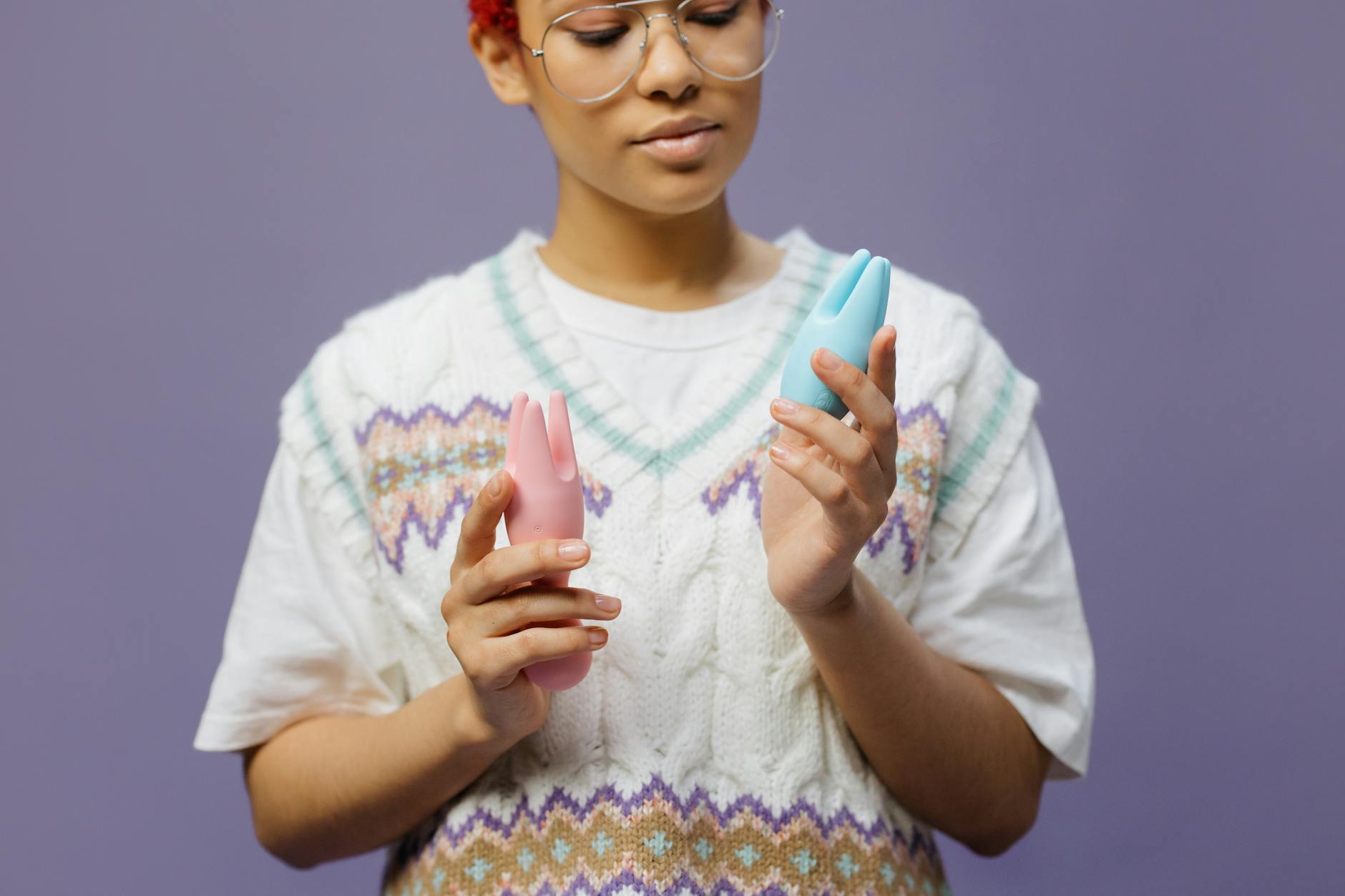
Photo by cottonbro studio on Pexels
When numbness signals something else
If sensation remains muted even with a vibrator and a patient partner, that's worth checking out. Sometimes numbness points to:
- Neuropathy from medication or metabolic changes
- Pudendal nerve compression
- Cortisol dysregulation from chronic stress
- Unprocessed sexual trauma
None of these are your fault. But they might need professional input. A pelvic floor physical therapist or a sex therapist can help you sort signal from noise.
The reframe that actually helps
Here's what I tell couples when sensation feels lost. Your body isn't broken. It's telling you something. Maybe that the relationship needs more care. Maybe that you need to slow down. Maybe that your nervous system is carrying stress that needs addressing. The vibrator isn't the end point. It's the translation tool between what you want to feel and what your body can currently feel.
Sometimes coming back to sensation means using a lemon clitoral vibrator. Sometimes it means longer foreplay. Sometimes it means having a real conversation about what's missing. Usually it's all three.
Frequently asked questions
How long does it take for sensation to come back when using a vibrator with a partner?
Two to four weeks if numbness is mainly psychological. If it's from medication, injury, or neurological factors, it takes longer and might need professional support alongside vibrator use. The key is consistency. Using the vibrator sporadically won't rebuild the neural pathway. But using it two to three times per week with your partner will show results.
Can using a vibrator make numbness worse if my pelvic floor is already tight?
Not if you use it correctly. Start at the lowest intensity and don't rush. If you use a vibrator aggressively on an already-tense pelvic floor, you're just adding overstimulation on top of tension. Go slow. Combine it with breathing and relaxation work. If it feels painful or more numb afterward, scale back and consider a pelvic floor therapist.
Should I tell my partner about the numbness before suggesting we use a vibrator together?
Absolutely. Surprise vibrators in the bedroom cause problems. Have the conversation when you're clothed, not during sex. Something like, "I've noticed I'm having trouble feeling sensation sometimes during sex. I don't think it's about you. I think my nervous system is in protection mode. I found something that might help us both reconnect. Can we try it together?" That honesty builds trust, which is what actually wakes sensation back up.
Can numbness during sex happen even if I have normal sensation in everyday life?
Completely. You can feel everything normally when you're walking around, and then go numb the moment sex starts. This almost always means it's psychological or relational, not physical. Your nervous system is deprioritizing sensation for a reason. It feels unsafe, or distracted, or like sex isn't a place where your pleasure actually matters. That's fixable, but not with a vibrator alone.
Is there a difference between numbness and just taking longer to arouse when using a lemon vibrator?
Yes. Taking longer to arouse means sensation is there. It's just slow. You feel the vibrator building toward arousal, it's just a gradual climb. Numbness means you're not feeling much of anything, even after twenty minutes. If you're genuinely numb, starting with the lowest intensity on the Lem and combining it with partner touch or dirty talk can help. Sensation-free vibrator use without any other input won't help if the root cause is mental distance.
What if my partner is nervous about using the vibrator because they think it means their body isn't enough?
This is the most common concern. Here's what helps. Reframe the vibrator as a tool for both of you, not a replacement. You're not choosing the vibrator over them. You're trying to wake up sensation so that you can feel more during partnered sex. The goal is shared pleasure, not solo pleasure. Some partners even enjoy holding the vibrator or controlling the intensity. That shared control can deepen connection if approached as teamwork instead of substitution.
What comes next
Numbness during partnered sex feels permanent when you're in it, but it almost never is. Usually it responds quickly to a combination of three things: a tool that gives your nervous system reliable feedback (like a lemon clitoral vibrator), a partner who's genuinely interested in your sensation coming back, and a willingness to slow down enough for your body to feel safe again.
If you're ready to try, starting with solo sessions with the Lem builds your baseline. Then moving into partnered use creates the bridge back to shared pleasure. Most couples see a shift within two to four weeks.
If sensation remains stuck, or if deeper relational patterns are blocking pleasure, reach out. That's where the real work sometimes needs to happen, and it's always worth doing.
Want support navigating sensation challenges or relationship dynamics around pleasure? Get in touch. Sometimes the best next step is a conversation with someone who gets the complexity.