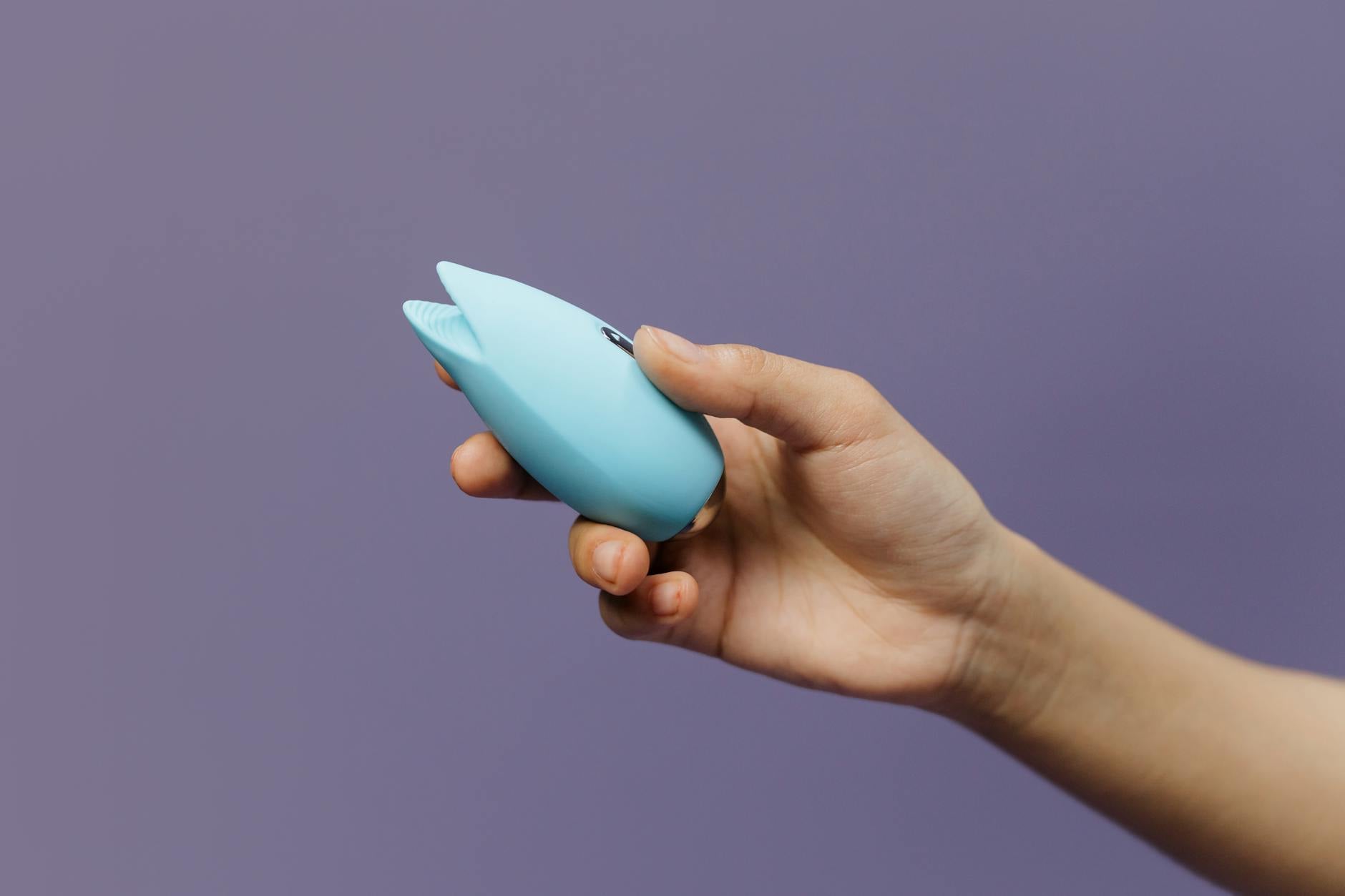
Couple burnout is not a sex problem, but it shows up as one
Let me be direct. When you and your partner have been running on empty for months, skipped date nights, lost inside jokes, and can't remember the last time you touched each other without it being functional, that's not low desire. That's exhaustion wearing a desire disguise.
The body remembers how to respond to pleasure. The brain, though? The brain forgets how to be present during it. That's the gap we're working to close.
What couple burnout actually does to the nervous system
When a relationship runs hot (stress, resentment, unresolved conflict), your nervous system stays in overdrive around your partner. You're hypervigilant. You're protecting yourself. When it's time to be sexual, your body can't just switch lanes. It's still running from the conversation you didn't finish, or the thing they forgot to do, or the way they looked at you last Tuesday.
Adding pressure to have sex only tightens the knot. Your partner senses the resistance. They interpret it as rejection. You interpret their frustration as pressure. Nobody's aroused. Everyone's hurt. And suddenly you're six months into the kind of disconnection that feels permanent.
Here's the part most couples miss: introducing a lemon vibrator or other clitoral vibrator isn't about replacing what you had with your partner. It's about creating a new entry point into pleasure that bypasses all the landmines your nervous system has buried around them.
Why lemon vibrators work for disconnected couples
Three reasons this matters practically.
First, they depersonalize the initial arousal. Your partner doesn't have to be the source of every spark. A lemon vibrator removes the pressure of "you need to turn me on." That pressure is often what kills desire in the first place. With a tool that works reliably and fast, you can start the arc of arousal alone, then invite your partner in once your nervous system has already shifted into a different state.
Second, they create a shared ritual. Couple burnout thrives in silence and assumption. When you say to your partner, "I want to try using a lemon vibrator together," you're actually saying something much bigger: "I want us to rebuild this. I'm not giving up." That conversation often opens more than the physical act does.
Third, they're embarrassingly effective. Lemon clitoral vibrators use gentle suction and pulsation patterns that trigger the clitoris in ways hands alone often don't. For someone whose body has been in a stress response for months, that reliable physical sensation can reset the nervous system faster than talk therapy or date night alone.
The practical steps to actually do this
Step 1: Have the conversation when you're not in bed. Seriously. Talk about it over coffee or a walk. Tell your partner you've noticed the disconnection. Tell them you miss them. Tell them you want to try something that might help you both relax into pleasure again. Listen to what they're carrying too. Couple burnout is never one person's fault.
Step 2: Start solo, not together. This is counterintuitive, I know. But when you're rebuilding, using a lemon vibrator alone first serves two purposes. It reminds your body that arousal is still available to you. It also gives you the chance to come back to pleasure without an audience, which is often where the anxiety lives.
Spend a week or two alone with the tool. Notice what works. Notice what patterns of touch or rhythm make your nervous system relax. This is reconnaissance, not performance.
Step 3: Invite them in slowly. The second week, invite your partner into the room. They don't have to do anything yet. They just sit there while you use your lemon vibrator. The point is: they're present, and they're learning that your pleasure isn't a demand on them. It's something you're doing for yourself, and they get to witness it.
Step 4: Build from there. Only once you're comfortable do you layer in touch from them. Maybe they use the lemon vibrator on you while you guide their hand. Maybe they kiss your neck while you're using it. Maybe you're both using lemon adult toys on yourselves at the same time. There's no script here. You're rebuilding trust in your own pleasure and in their presence.
The emotional work that has to happen alongside
Lemon vibrators are not magic. They can't fix contempt or unresolved betrayal or the kind of resentment that's calcified into the bones of a relationship. What they can do is create a small window of reconnection. But you have to do the actual repair work.
That might look like:
- Going to a couple's therapist who understands that sex is often the symptom, not the problem.
- Having one real conversation per week where you're both actually listening, not defending.
- Rebuilding small rituals of affection that aren't sexual. Cooking together. Taking a shower together. Sitting on the couch without your phones.
Lemon clitoral vibrators work best when they're part of a larger system of reconnection, not a replacement for it.
When to know it's actually working
You'll notice small things first. Your partner will touch your shoulder without it meaning anything. You'll laugh at something together and remember you actually like them. You'll stop bracing for conflict when they enter the room.
Physically, you might notice arousal comes faster. That your body doesn't immediately tense when your partner touches you. That you want them close again, not out of obligation, but because you actually miss them.
If after two months of consistent practice and emotional work, nothing's shifting, that's useful information too. It might mean the relationship needs more support than self-help and vibrators can offer. It might mean it's time to consider whether this partnership is serving you both. That's okay. That's real.
The permission you actually need
Honestly though, here's what I see most often: couples don't use lemon vibrators together because they haven't given themselves permission to prioritize pleasure in the middle of burnout. It feels selfish. It feels like fiddling while Rome burns.
But rebuilding intimacy after disconnection isn't selfish. It's how you stay married. It's how you remember why you chose each other. Your pleasure matters. Your partner's pleasure matters. And sometimes a tool like a lemon vibrator is exactly what gives your nervous system permission to relax into the person you love again.
People also ask
How long does it take for couple burnout to affect sex drive?
It can happen in weeks. Most couples don't notice until the disconnection is six months deep, but the sexual withdrawal often starts much earlier. It begins the moment resentment replaces playfulness. When a relationship shifts from "us against the world" to "me against you," the nervous system knows. Sex becomes transactional or disappears entirely.
Can using a lemon vibrator feel threatening to my partner?
It depends on how you frame it. If you present it as "you're not enough," absolutely, they'll feel threatened. If you present it as "this is a tool for us to rebuild pleasure together," most partners respond well. The key is having the conversation outside the bedroom, when you're both calm. Make it about reconnection, not replacement. Consider introducing it together by looking at product options online first. That shared decision-making itself rebuilds some of the teamwork that burnout erodes.
Is using a lemon clitoral vibrator during couple sex the same as using it alone?
No. Alone, it's about you remembering your own pleasure. Together, it's about presence and vulnerability. When you're with a partner, the goal shifts from pure physical satisfaction to emotional reconnection through touch. You might use the lemon vibrator for the first part of sex, then invite your partner in once you're aroused. You might use it together on each other. The rhythm and intention change. That's actually the healing part.
What if we're too burnt out to even try?
Then honestly, that's the conversation to have first. Not about vibrators. About whether you both want to rebuild. If only one person is trying, lemon vibrators won't fix that. A therapist probably should. Burnout this deep often signals something bigger. You deserve support that goes deeper than a physical tool.
Can lemon vibrators help if the burnout is caused by one partner's infidelity?
They can help with the physical reconnection piece, but not with the trust piece. If infidelity broke the bond, you need to do the actual repair work first, ideally with a therapist who specializes in betrayal trauma. Lemon vibrators might eventually be part of rebuilding physical intimacy, but they're a later step, not a first step. The emotional work comes first.
How do I know if we're just incompatible versus actually burnt out?
Incompatibility often shows up early. Burnout shows up after months or years of connection that gradually wore away. If you remember actually enjoying this person, if you remember wanting them, if the disconnection feels recent rather than fundamental, that's burnout. Incompatibility feels like it was always there. You might use a lemon vibrator as part of rebuilding, but pay attention to whether your nervous system actually relaxes around them. That's your answer.
Start small, start kind
Rebuilding intimacy after couple burnout isn't about grand gestures or perfect technique. It's about two people deciding they want to find their way back to each other. A lemon vibrator is just a tool that makes that a little easier. The real work is showing up, being honest, and being patient with the process.
Your partner. Your pleasure. Your connection. They all matter. If you're ready to start rebuilding, we're here. Get in touch if you want to talk through what might work for your relationship.