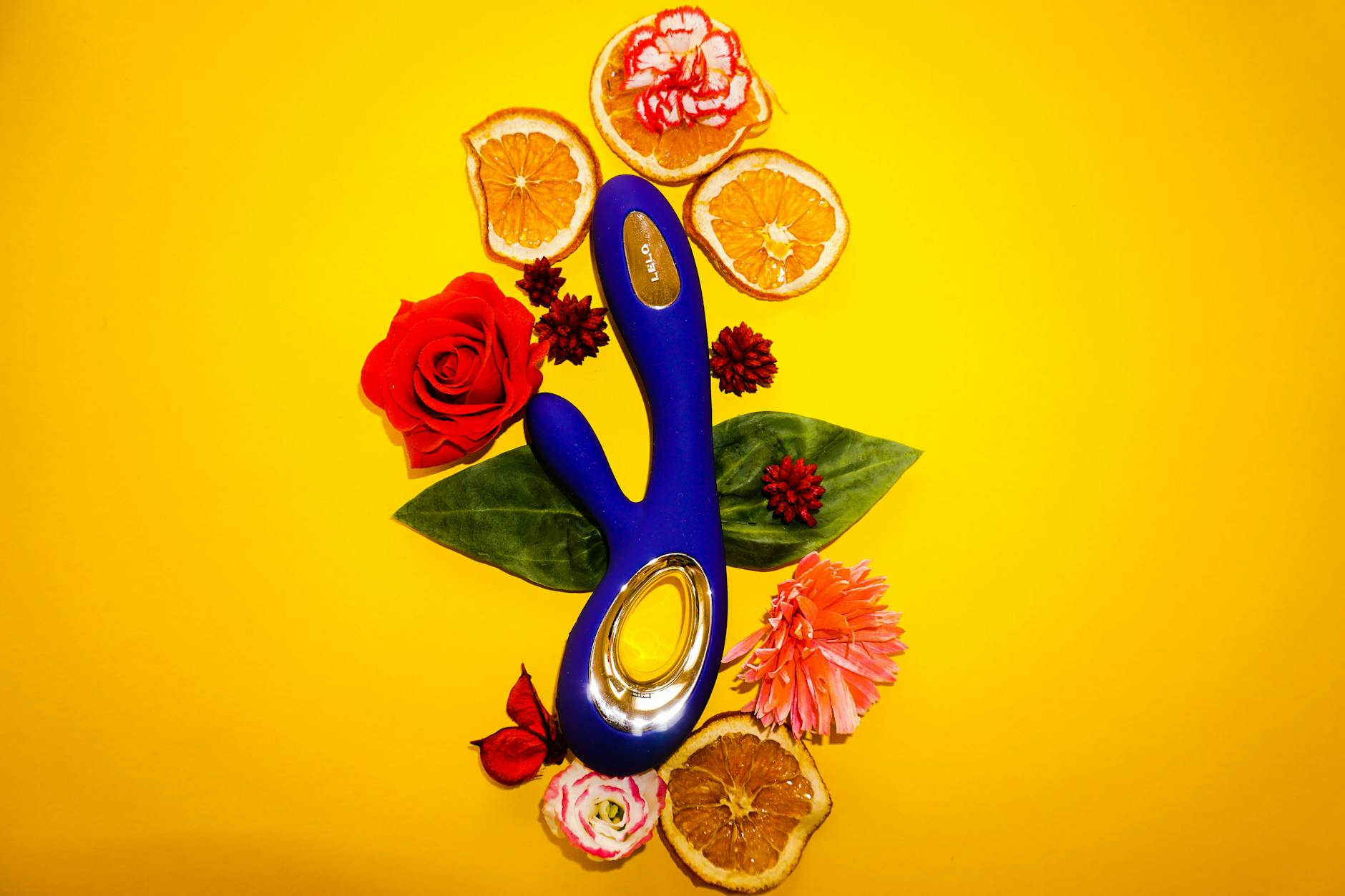
How to Use Lemon Vibrators When Physical Affection Feels Uncomfortable After Touch Aversion
Here's what's actually happening in your nervous system
Touch aversion isn't a character flaw or a sign you've stopped loving your partner. It's a legitimate nervous system response, often triggered by stress, trauma, burnout, or even just hormonal flux. Your body has learned that touch equals threat, and right now it's protecting you. That reflex makes sense. It's also treatable.
The tricky part: when affection itself feels threatening, the path back to pleasure can feel impossible. Lemon vibrators and other clitoral toys offer something that partnered touch sometimes can't right now. Control. Privacy. No negotiation. You set the pace, the pressure, the moment it stops.
I've worked with clients for whom touch aversion lasted weeks or years. Many found that self-pleasure with toys like the Lem became the bridge back to physical intimacy, not a replacement for it. That's not avoidance. That's rebuilding trust in your own body.
Why touch aversion happens (and why it's not about you not wanting sex)
Three common pathways lead to touch aversion:
Chronic stress and burnout. Your nervous system is already maxed out. A partner's hand on your shoulder feels like one more demand. This is especially common in parents, caregivers, and anyone running on fumes.
Trauma or past boundary violations. Your body learned that touch wasn't always safe. Even with a loving partner now, the nervous system hasn't updated that file yet.
Hormonal or sensory shifts. Perimenopause, certain medications, or just seasonal SAD can make your skin feel hypersensitive. Light touch feels electric and wrong instead of soothing.
Here's the part everyone misses: this doesn't mean you don't want pleasure. Touch aversion specifically affects partnered affection. Solo pleasure with a lemon vibrator operates on a completely different neural circuit. You're in control. No unpredictability. No one's expectations landing on you.
The neurological difference between partnered touch and toy-based pleasure
When someone else touches you, your brain has to process not just the physical sensation but also their presence, their intention, whether they're about to ask for something, whether you can trust this moment to end when you need it to. That's a lot of simultaneous processing while you're already dysregulated.
Self-pleasure with a lemon clitoral vibrator removes three major threat signals:
1. Unpredictability. You control exactly when pressure increases, when it stops, which pattern activates. No surprises.
2. Obligation. There's no partner waiting for reciprocation, no timing pressure, no sense that pleasure is contingent on something you have to give back.
3. Exit control. You can stop instantly. No negotiation, no hurt feelings, no explaining.
The Lem's suction design is particularly useful here because it creates consistent, predictable stimulation. You're not managing someone else's touch pressure or rhythm. The device does exactly what you told it to do.
Starting from zero: rebuilding sensation when touch feels dangerous
Begin alone. No audience, no pressure, no partner in the next room listening. Your nervous system needs evidence that this moment is safe before it will drop its guard.
Start with low-intensity patterns. The Lem offers five intensity levels. Many people with touch aversion feel safest starting at pattern 1 or 2. There's no prize for working your way up. Staying in the low-intensity zone is the goal, not a starting point.
Set a timer for 10 minutes. Seriously. This sounds silly, but your dysregulated nervous system needs to know exactly when this ends. Uncertainty extends the window of vulnerability. A defined end time is reassuring.
Focus on breath. When you're dysregulated, breathing is shallow and fast. As the Lem begins working, actively slow your breathing down. In for four, out for six. This signals your nervous system that you're safe.
Expect your mind to wander into anxiety. This is normal. You've taught your body that touch is unsafe. One 10-minute session with a lemon vibrator won't rewire that instantly. The goal isn't a mind-blowing orgasm. The goal is evidence. Small, repeated evidence that touch, on your terms, can feel good.
When touch aversion is tied to relationship dynamics
If your touch aversion started or worsened after a specific relationship event (breach of trust, unwanted sex, feeling unheard), solo pleasure is part of the healing. It's not the whole thing.
You also need to address the breach itself with your partner, ideally with a couples therapist. Rebuilding intimacy after violated boundaries is delicate work. Self-pleasure can happen in parallel, but it's not a substitute for your partner taking responsibility and changing behavior.
Have you considered talking to your partner about why touch feels unsafe right now? Not during sex or intimacy. During a regular conversation. "When you touch me lately, my body goes into panic mode. That's not about you. That's about me needing some time to feel safe again. While I'm working through that, I'm using solo pleasure to rebuild trust in my own body." Most partners can handle that honesty. It's clear, it's not accusatory, and it doesn't require them to fix you.
Some couples find that knowing their partner is reclaiming pleasure solo actually helps both people. There's less pressure, less performance, less risk of forcing intimacy before both nervous systems are ready.
The timeline: when does touch feel comfortable again
This varies wildly. I've seen clients move past touch aversion in weeks if it was stress-based and they addressed the stress. Others take months if trauma is involved. There's no shame in either timeline.
Watch for these signals that your nervous system is settling:
- You can sit next to your partner without flinching
- Brief touch (a hand on your arm) doesn't trigger a full panic response
- You're able to initiate touch sometimes, even non-sexual touch like a hug
- Solo pleasure with the Lem feels less like nervous work and more like actual pleasure
When you notice those shifts, you can try reintroducing partnered affection slowly. Maybe your partner uses the Lem on you, so touch is mediated through something predictable. Or maybe you use it together, so you're in control but they're present. Small steps.

Photo by cottonbro studio on Pexels
Why lemon vibrators specifically help with touch aversion
The suction technology in lemon clitoral vibrators creates a sensation that's distinctive and contained. You're not managing variable pressure from another person. The Lem delivers consistent, gentle suction that builds gradually. There's no surprise. No hands. No negotiation.
For people with touch aversion, this predictability is healing. Your nervous system learns: "This is safe. It does exactly what I ask. I control when it happens and when it stops."
Many lemon sexual toys are also designed for external stimulation only, which means there's no penetration component that might trigger different trauma responses. You're building positive sensation at your own pace.
When to bring a partner into this process
Only when you're ready. Only when your nervous system has some evidence that pleasure feels safe again.
If your partner wants to be involved before you're ready, that's their impatience landing on your healing timeline. Healthy partners wait. They understand that touch aversion isn't about them.
When you're ready, consider these options:
Option 1: They watch, hands-off. Your partner sits nearby while you use the Lem. No touching you. No pressure. Just presence. This can help couples rebuild trust and intimacy without forcing touch.
Option 2: They learn your comfort signals. Before any partnered touch resumes, you and your partner identify what touch feels safe and what doesn't. Maybe gentle touch on your back feels okay. Maybe anything near your neck triggers panic. Know these boundaries before pressure builds.
Option 3: They use the Lem on you. This sounds counterintuitive, but for some people, touch mediated through a device feels safer than direct skin-to-skin. There's an object between you and them. Boundaries are clearer.
None of these are permanent. As you heal, what feels safe will expand. But right now, lemon clitoral vibrators give you agency. That's not selfish. That's essential.
The relationship conversation you need to have
Assuming your partner is supportive, tell them what you're doing and why. Not in graphic detail. But honesty matters.
"I've been using a vibrator to rebuild pleasure in my body because touch feels unsafe right now. I'm not rejecting you. I'm healing me. I'll let you know when I'm ready for us to be physical again."
That sentence does three things: it's honest, it acknowledges their concern without taking responsibility for their feelings, and it gives them a concrete signal to watch for.
If your partner responds with shame or pressure, that's information. People who love you and want you to heal don't make your touch aversion about their needs.
Practical setup: how to create a safe pleasure space
Environment matters. You can't rebuild trust in your body if you're tense about your surroundings.
- Lock the door. No chance of interruption.
- Silence your phone. No notifications pulling you into external demands.
- Dim the lights or use candles. Soft light feels calming.
- Temperature. Have a blanket nearby. Touch aversion often comes with feeling cold or unsafe. Warmth helps.
- Time. Don't rush. Set 20 minutes and use the first 10 to just breathe and settle before using the Lem.
This isn't luxury or indulgence. This is creating the conditions your nervous system needs to feel safe enough to experience pleasure again.
People also ask
Can touch aversion go away completely or am I stuck with this forever?
It can absolutely resolve, especially if the cause is stress or burnout. Touch aversion tied to trauma takes longer but is also very treatable with the right therapy. This isn't a life sentence. It's a signal that something needs attention. Address the underlying cause (therapy, stress reduction, medication adjustment) and the aversion usually softens.
Is using a vibrator while experiencing touch aversion healthy or am I avoiding the real problem?
Neither. It's both a coping tool and part of healing. Solo pleasure with lemon vibrators doesn't prevent you from addressing the root cause. In fact, it often makes therapy or couples work more successful because you have evidence that pleasure is still possible for you. You're not broken. You're dysregulated and rebuilding.
My partner thinks I'm avoiding them by using a vibrator. How do I explain this without making them feel worse?
Your partner's feelings are valid but not your responsibility to fix. The conversation goes: "My touch aversion has nothing to do with how I feel about you. It's about how my nervous system is responding to stress right now. Using a vibrator helps me remember that pleasure is safe. That actually helps us, because I'm not forcing intimacy before I'm ready, which would create resentment." If they still can't hear that, couples therapy helps.
How long should I wait before trying partnered sex again if I have touch aversion?
Until you can initiate touch without anxiety. Until brief, non-sexual affection feels calm, not triggering. Until solo pleasure with the Lem feels genuinely pleasurable, not like work. There's no timeline. Your nervous system will let you know when it's ready. Forcing it before that point usually makes touch aversion worse, not better.
Can touch aversion be caused by the relationship itself, not just external stress?
Absolutely. If your partner has violated your boundaries, pressured you for sex, or made you feel unsafe, your body is doing its job. Touch aversion in that context is a healthy response. The solution isn't rebuilding pleasure alone. It's addressing the relationship breach. Consider therapy with a professional who specializes in trauma and relationships.
What if touch aversion comes back even after I've healed?
Stress, hormonal changes, or new situations can trigger it again. That's not failure. It means your nervous system is responding to something that feels unsafe. Pause partnered intimacy. Return to solo pleasure with the Lem. Address the stressor. Your body is giving you information. Listen to it.
The bigger picture: pleasure as a form of healing
Touch aversion is your body's way of setting a boundary. Rebuilding pleasure, including solo pleasure with a lemon vibrator, is your body's way of healing. These aren't opposing forces. They're two halves of the same process.
You're not broken. Your nervous system learned something and now it's protecting you from what feels threatening. That was useful information. Now it's just outdated.
Lemon clitoral vibrators give you a controlled way to update that file. Slow. Predictable. Safe. Your own pace, your own pressure, your own choice.
If you're navigating touch aversion in a relationship, consider reaching out to a couples therapist or a sex-positive counselor. There's no shame in getting professional support. Your pleasure matters. Your safety matters. Your timeline matters.
Start small. Use the Lem in a safe space. Notice what your body tells you. Trust that healing is possible, even when touch feels impossible right now.
Contact us if you have questions about which lemon sexual toys might feel most comfortable as you rebuild pleasure on your terms.