The sudden return nobody warns you about
Your psychiatrist switched your medication. Or you finally found a dose that works. Or you tapered off something that flattened you completely. And then one day, sitting on the couch doing absolutely nothing special, you felt it. Actual desire. Real sexual interest. The thing that's been missing for months or years.
It's disorienting. Your body is suddenly interested again, but your confidence, your familiarity with pleasure, and your sense of what feels good have all shifted. That gap between wanting sex and actually knowing how to have it is real. And it matters.
Why desire comes back when medications change
Most antidepressants, especially SSRIs and SNRIs, suppress sexual function as a side effect. They dampen the signals that create arousal, delay orgasm (sometimes indefinitely), and drain desire entirely. When you switch to a medication with fewer sexual side effects, or when you reduce a dose, that suppression lifts. Your nervous system suddenly has access to sensation again.
But here's what people don't always understand: the return of desire doesn't automatically mean the return of ease. Your body needs to relearn what pleasure feels like. Your brain needs to rebuild the neural pathways that connect stimulus to satisfaction. This isn't a bug. It's a normal recalibration.
From a relational standpoint, this shift can also feel complicated. If you've been in a long-term partnership, both of you have adapted to your previous baseline. You might have withdrawn from initiation. Your partner might have stopped trying. The return of your libido changes the dynamic. That's worth acknowledging.
The physical reality of reconnecting
When arousal comes back, your body might feel strange. Sensitivity levels shift. Response time changes. The things that used to work might feel different now. That's not a sign something's wrong. It's a sign your nervous system is waking up.
Three things typically happen:
Arousal takes a different shape. You might need more time to build into it. Or you might find that mental stimulation matters more than it used to. The specific sensations that trigger arousal might shift. Pay attention. Write it down if it helps.
Orgasm feels unfamiliar. If your medication made orgasm difficult or impossible, you might not remember exactly how your body responds. This time around, sensation might be stronger, faster, or require different kinds of touch. That's not regression. That's rediscovery.
Sensitivity can be inconsistent. Some days, light touch is electric. Other days, you need more pressure. This normalizes over a few weeks. But for now, adjust expectations. You're not broken. Your nervous system is recalibrating.
Why a lemon clitoral vibrator helps right now
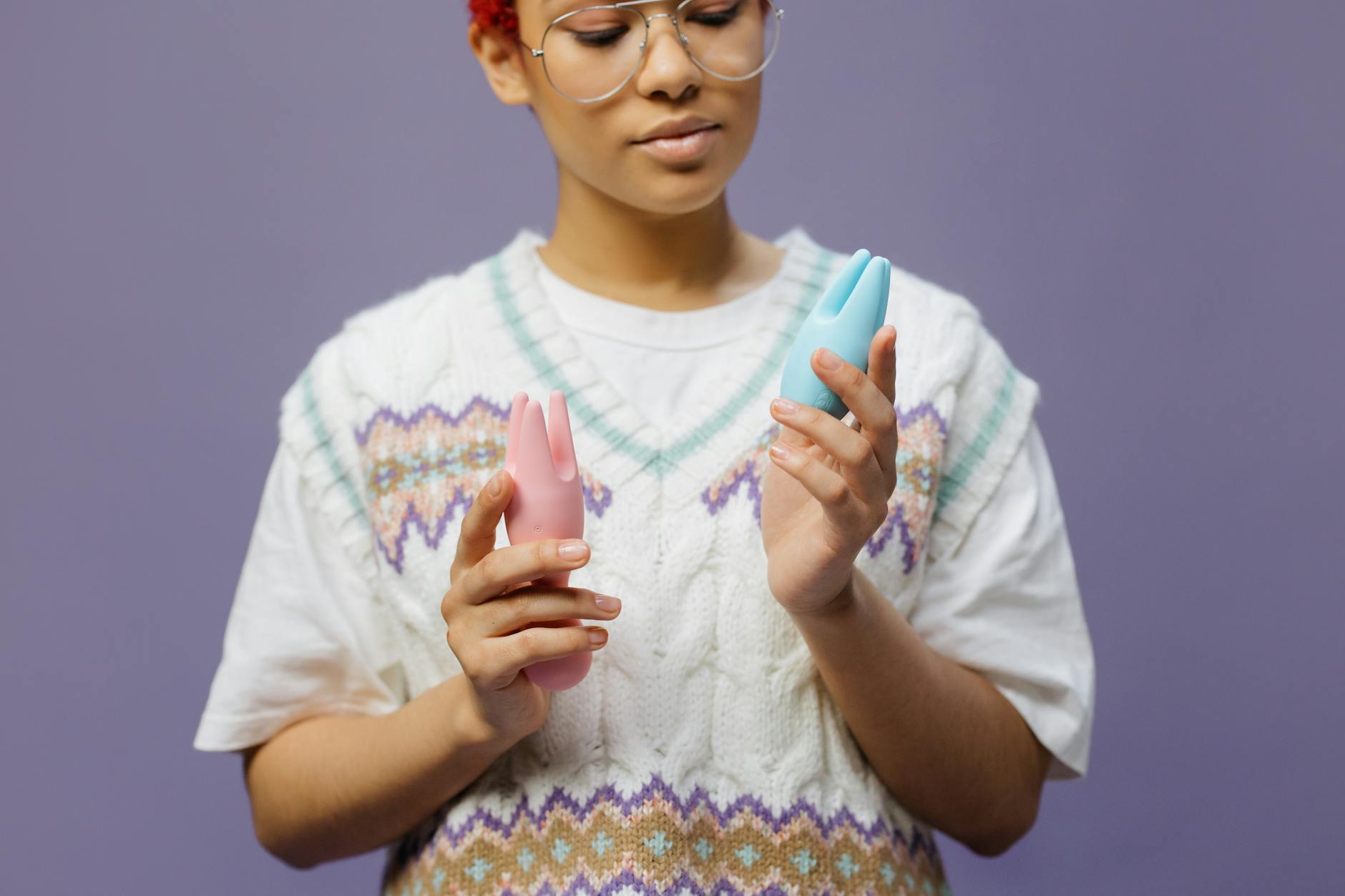
A clitoral vibrator, particularly one designed with suction technology like the Lem, gives you control and consistency that your returning nervous system needs. Here's why it matters.
When you're reconnecting with pleasure, you need something reliable. The Lem's suction pattern provides steady, focused stimulation without the variability of hands or partner touch. You can repeat the same sensation, find your baseline, and build from there. That predictability is grounding.
Second, the Lem doesn't require you to perform or reciprocate. Solo exploration matters right now. It's not selfish. It's necessary. You need to understand your body's new preferences without the pressure of coordinating with someone else.
Third, a lemon sexual toy like the Lem gives you permission to slow down. You can explore sensation at your own pace. Five minutes on setting 2. Then setting 3. Then pause. Then start again. No rush. No performance anxiety. Just data gathering.
Starting solo exploration safely
Begin without any lemon vibrators at all. Spend 2-3 sessions just using your hands. Notice what feels good. Which part of the clitoris responds? Do you prefer direct touch or contact through the hood? Does sensation build gradually or arrive suddenly?
Write this down. Literally. "Light touch on hood felt tingly." "Direct pressure on glans was too much." These details matter because they're your instructions for using a clitoral vibrator effectively.
Once you're comfortable with your hand, introduce the Lem. Start at the lowest setting. Notice how it feels different from your hands. Notice where on the clitoris it feels best. Spend time at each setting before moving up. There's no race. You're building a map of your own body.
Sessions should be 10-20 minutes, max. Long exploration sessions can create numbness. Short, frequent sessions teach your nervous system faster.
If you have a partner
This is where the relational piece gets delicate. Your return to desire is great news for your connection. It's also a conversation you need to have separately from sex.
Tell your partner what's happening. Not in bed. Over coffee. Use words like: "I'm reconnecting with my sexuality because my medication changed. I'm going to do some solo exploration first so I understand my body again. When I'm ready, I want us to explore together. I need patience. I also need you to know this isn't about you."
This conversation prevents resentment. Your partner might feel rejected if you need solo time first. But they'll feel confused and defensive if you suddenly want different things in bed without explanation.
When you do resume partnered sex, consider using the Lem during foreplay. It removes pressure from both of you. You get consistent stimulation. Your partner can focus on intimacy rather than worrying about whether they're "doing it right." This actually deepens connection for many couples.
What to expect in the next 4-8 weeks
Your nervous system needs time to stabilize. You might notice that arousal fluctuates day to day. That's normal. Antidepressants affect your whole nervous system, not just sexual sensation. Sleep, mood, and stress all influence how desire shows up.
Around week 3-4, you'll probably notice a pattern. You'll know which settings on your clitoral vibrator work best. You'll understand whether you need warm-up or can jump straight to intensity. Your orgasms will start to feel familiar again.
Some people report that their sexuality after medication adjustment is different but actually better. Clearer. More intentional. Less fraught with old patterns. Give yourself permission to discover that.
Practical tips for using lemon vibrators during this transition
Use water-based lubricant every time. Even if you don't think you need it. Your arousal is rebuilding, and your body might take longer to produce natural lubrication. Lube isn't a sign of failure. It's a tool.
Never use a vibrator when you're mentally numb or dissociated. If you're having a bad mental health day, skip the exploration. Your nervous system won't respond authentically, and you'll get confusing data about what you like.
Combine sensation types. Don't just use the Lem. Pair it with other touch. Music. Temperature changes. Mental imagery. Your whole nervous system needs to light back up, not just the parts a vibrator activates.
Keep a pleasure journal. Record which settings felt good. How long you used it. What your mood was. Whether you orgasmed. This becomes your personal manual for pleasure.
Expect some emotional release. Reconnecting with sexuality after medication has suppressed it can bring up feelings. Relief. Grief for lost time. Frustration. Joy. All of it is valid. You don't have to figure out what it means. Just let it move through.
When to pause or get support
If pain appears during exploration, stop. Genitourinary syndrome of menopause is one cause. Tension from anxiety about the exploration is another. A pelvic floor physical therapist can help you figure out which. Many people see their gynecologist or GP first, and that's the right move.
If orgasm still isn't happening after 6-8 weeks of exploration, talk to your psychiatrist. Sometimes it's not about the vibrator. It's about the medication dose, timing, or another medication interaction. They can adjust.
If reconnecting with sexuality brings up memories of sexual trauma or previous relationship harm, consider a few sessions with a sex-positive therapist. Desire returning can unmask old pain. That's not a reason to avoid pleasure. It's a signal that you might need some support processing it.
The bigger picture
Your libido returning is your body signaling that it's healing. It's not a distraction from mental health recovery. It's part of it. Sexual satisfaction is connected to overall wellbeing, self-esteem, and relationship security. Honoring it matters.
Take your time. Use the best tools available, like a quality lemon clitoral vibrator. Trust your body. And if you're in a relationship, bring your partner into the conversation, not just the bedroom.
People Also Ask
Is it normal for desire to feel completely different after my antidepressant changed?
Completely normal. Your nervous system has been operating under one set of conditions for months. When medication changes, arousal pathways light back up in their own timing and intensity. The shape of your desire might be different from before you were medicated. That doesn't make it wrong. Many people describe it as cleaner or more intentional. Give yourself 4-6 weeks before you assume anything is wrong.
Can I use a lemon vibrator immediately after starting a new antidepressant?
Yes, but results might be inconsistent. Many newer antidepressants have fewer sexual side effects than older ones, but they take 2-4 weeks to reach full effectiveness. Your arousal might fluctuate during that window. Don't judge whether the medication is right based on sexual response in weeks 1-3. Wait until week 6 to assess.
How often should I use a clitoral vibrator while reconnecting with pleasure?
Start with 2-3 sessions per week, 10-20 minutes each. More frequent or longer sessions can create numbness or desensitization. Quality over quantity. As you understand your body better, you can adjust frequency. Most people settle into 3-5 sessions weekly for maintenance pleasure.
What if orgasm still feels difficult even with a lemon vibrator?
First, check the basics: Are you actually aroused before you turn on the vibrator, or are you using it to create arousal? Your body might need mental stimulation first. Second, confirm your medication timing. Some antidepressants affect sexual function less when taken at specific times of day. Third, consider that your expectations might be too high. Reconnecting pleasure takes time. Orgasm will probably come back, but it might not happen in your first few sessions.
Should I tell my partner I'm exploring with a vibrator on my own?
Not necessarily immediately, but eventually yes. If you're in a committed relationship, transparency matters. You don't need permission to use a vibrator solo. You do need to discuss it if it's going to affect your partnered sex life. A simple conversation: "I'm using some time alone to reconnect with my sexuality. I'll be ready to explore together soon" is usually enough. Most partners appreciate the honesty.
Can antidepressants affect sensation intensity even after desire returns?
Yes. Some medications can dampen sensation even when libido returns. If you're noticing that you need more intensity on your clitoral vibrator than you'd expect, or that sensation feels muted, mention this to your psychiatrist. A dose adjustment or timing change might help. Or you might be experiencing normal variation. Document what you're noticing over 2-3 weeks before assuming there's a problem.
Moving forward
Your body is waking up. That's something to celebrate, even if it feels complicated. Use the right tools. Get the right information. Be patient with yourself. And remember that reconnecting with pleasure is part of healing, not a distraction from it. Get started with solo exploration. When you're ready to reconnect with a partner, open the conversation early. You've got this.
If you have questions about sexual wellness, medication side effects, or how to navigate these conversations with partners or healthcare providers, reach out. That's what we're here for.