The thing nobody says about desire mismatch
One of you wants sex three times a week. The other is thinking about it maybe once every ten days. Nobody's broken. Nobody's wrong. And yet somehow, this gap turns into the most loaded conversation in your relationship. The higher-desire partner feels rejected. The lower-desire partner feels pressured. Sex stops happening altogether because the emotional weight is unbearable.
Here's what I tell couples in my office: desire mismatch isn't a sign you're incompatible. It's just a math problem that most people try to solve through guilt and compromise instead of creativity.
Why this matters more than you think
Mismatched desire affects roughly 70% of long-term couples at some point. It's not a crisis. It's incredibly common. What makes it a crisis is when both partners frame the problem the same way: "My partner doesn't want me enough" or "My partner is pushing me too hard." That framing makes sex feel like obligation instead of pleasure, which makes the mismatch worse, not better.
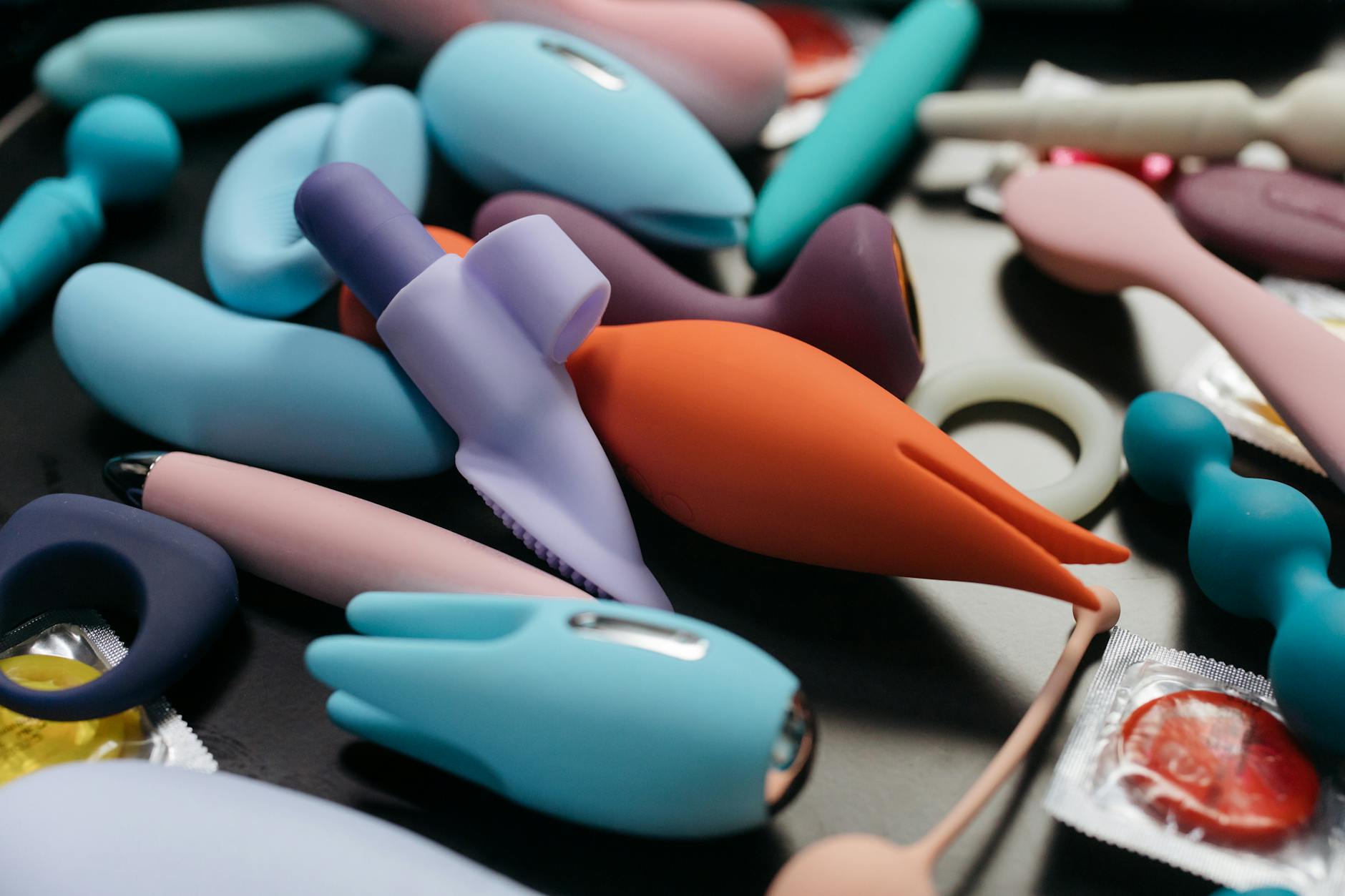
Lemon vibrators, and clitoral vibrators more broadly, solve this in a way that couples counseling can't: they give the higher-desire partner an outlet that isn't about their partner at all. It's not infidelity. It's not rejection of the relationship. It's independent pleasure that exists in parallel to partnered sex, which actually makes both happen more often and feel less fraught.
The desire mismatch actually isn't about numbers
You think it is. You count weeks and frequency and feel like you're keeping score. But the real issue is almost never frequency. It's context.
The higher-desire partner wants touch without negotiation. They want to feel wanted without having to ask. They want their partner to initiate. The lower-desire partner is often exhausted, touched out, or dealing with something separate (work stress, body image, past trauma) that makes sex feel like one more demand.
Using a lemon clitoral vibrator on your own while your partner is present, or even just having that option without pressure, changes the entire dynamic. Suddenly, pleasure isn't something you're trying to extract from someone else. It's something you're creating for yourself. Paradoxically, this often makes both partners want more partnered sex, not less.
How to introduce this without it feeling like rejection
Timing and framing matter here. Don't bring this up during sex. Don't bring it up during conflict. Bring it up when you're both calm, preferably not in bed.
The script is something like: "I've been thinking about how we've been struggling with the desire thing, and I don't think it's actually about us not loving each other. I think I've been putting pressure on you that I shouldn't. I want to try something different. I want to spend time with my own pleasure, and I want you to feel zero pressure when I do. And I'd love to see if that helps us both feel less stuck."
If you're the higher-desire partner, use a lemon vibrator solo, openly, without shame. Not to punish your partner. Not to make them jealous. Just as a regular part of your pleasure routine. This signals that you're taking responsibility for your own arousal, which is actually very attractive.
If you're the lower-desire partner, you might find that watching your partner pleasure themselves, or knowing they're taking care of their own needs, reduces the pressure you feel. Some couples find that solo use of lemon clitoral vibrators actually becomes foreplay. Others keep it separate. Both are fine.
What happens when you use clitoral vibrators in your relationship
Three things tend to shift.
First, the pressure lifts. Your partner isn't looking at you as the source of their pleasure anymore. They're looking at themselves. This is weirdly relieving for the lower-desire partner. You get to exist without being responsible for someone else's arousal.
Second, pleasure becomes visible. When your partner is using a lemon vibrator and experiencing genuine arousal and orgasm, you're watching pleasure happen in real time. This is often hotter than regular partnered sex because there's zero performance involved. It's just authentic desire.
Third, frequency often naturally increases. Paradoxically, when the higher-desire partner isn't desperate for sex, sex happens more often. When the lower-desire partner isn't being pursued, they often want to show up more. The take-out-the-garbage energy lifts.
The specific setup that works
Lemon vibrators, especially air-suction clitoral vibrators, are good for this because they're discreet and genuinely pleasurable without requiring penetration or a partner's involvement.
If you're using solo with your partner present, set a boundary: maybe they're reading nearby, maybe they're in the room but doing their own thing, maybe you're in separate rooms. You get to decide. Some couples enjoy the intimacy of being in the same space. Others need separation. Both are okay.
If you're using independently, the same applies. Your partner doesn't need to know your schedule. You don't need to announce it every time. It's just part of your life.
The key: no shame, no secrecy, no performance. Just matter-of-fact pleasure.
When to involve your partner
Some couples find that partnered use of clitoral vibrators becomes part of their routine. Maybe your partner uses a lemon vibrator on you during sex. Maybe you use it together as part of foreplay. Maybe they watch while you use it solo.
If you're considering this, check in first. "I've really been enjoying using a vibrator on my own. Would you ever want to be involved, or would you rather I keep that separate?" The answer tells you something important about where your partner is emotionally.
If they say yes, go slow. Let them initiate touch. Don't expect it to suddenly fix everything. It won't. But it does open a conversation about pleasure that isn't centered on obligation.
The emotional shift that happens
Here's what I've seen repeat in my practice: when both partners stop fighting about desire and start accepting it as a mismatch that isn't anyone's fault, the relationship calms down. Adding independent pleasure into the mix removes the zero-sum feeling. You're not losing if your partner uses a lemon vibrator solo. You're gaining a partner who feels less resentful and more autonomous.
The lower-desire partner often feels more generous toward sex when they're not being pursued. The higher-desire partner often feels more satisfied when they're not dependent on someone else's willingness. Both get to have pleasure on their own terms.
When this approach doesn't work
If you're in a relationship where there's controlling behavior, where sex has been used as a weapon, or where there's significant unresolved trauma, solo pleasure can become another point of conflict. In that case, you need a couples therapist before you bring vibrators into the picture.
Also, be honest about whether the desire mismatch is actually about frequency or about something else. If it's about your partner never initiating, never being curious about your pleasure, never asking what you want, that's not a desire mismatch. That's emotional neglect. Vibrators don't fix that. Conversation does.
What you're actually solving
You're not solving the fact that you want sex more than your partner does. That might never change. What you're solving is the resentment that builds when pleasure becomes a negotiation instead of something everyone gets to have independently.
You're saying: your pleasure is your responsibility. My pleasure is my responsibility. And we get to show up for each other when we both want to, without obligation.
That's the shift that actually works.
FAQ: Desire Mismatch and Independent Pleasure
Can using a vibrator solo make my partner feel like I don't want them?
If you're using it secretively or you've never talked about it, possibly. If you're open about it and you're still showing up for partnered sex when you can, no. Solo pleasure and partnered sex serve different functions. One doesn't cancel out the other. Frame it as "I'm taking care of my needs so I don't resent you for yours." That's actually loving.
What if my partner wants to use a lemon vibrator during our sex?
That's a great sign. It means they're thinking about your pleasure, not just their own. Some people find that vibrators help them relax enough to actually be present during sex. If it works for you both, it works. There's no rule against it.
Is it normal for one partner to want sex way more than the other?
Completely normal. Studies show about 70% of couples experience some level of desire mismatch at some point. It's one of the most common things I address in therapy. The fact that it's happening doesn't mean your relationship is broken.
If I use a clitoral vibrator solo, does that count as cheating?
No. Cheating involves deception and betrayal of trust. Using a vibrator on your own is self-care, full stop. If your partner has said that they'd feel betrayed by it, that's worth a conversation. But generally, no. It's not cheating.
How do I know if the desire mismatch is actually a bigger problem?
Pay attention to whether both of you are willing to talk about it without blame. If you're both trying to solve it together, it's probably just a mismatch. If one of you shuts down, gets angry, or refuses to acknowledge it exists, there's something deeper going on. That's when couples counseling helps.
What if my partner thinks lemon vibrators are weird or wrong?
That's worth understanding. Ask why. Are they uncomfortable with pleasure generally? Are they worried it means you don't want them? Are they just unfamiliar with them? Once you know the actual concern, you can address it. Sometimes education helps. Sometimes it's a values difference. Both are manageable if you're talking about them.
The real takeaway
Desire mismatch feels like a personal rejection. It almost never is. It's usually just two people with different arousal patterns, different stress levels, different life circumstances, trying to make one pattern fit both of them. Lemon clitoral vibrators give you a way out of that trap. They let you both have pleasure without making it someone else's job to provide it.
If you want to talk through how this might work in your specific relationship, reach out. Sometimes the hardest part isn't the sex. It's having the conversation that needs to happen first.