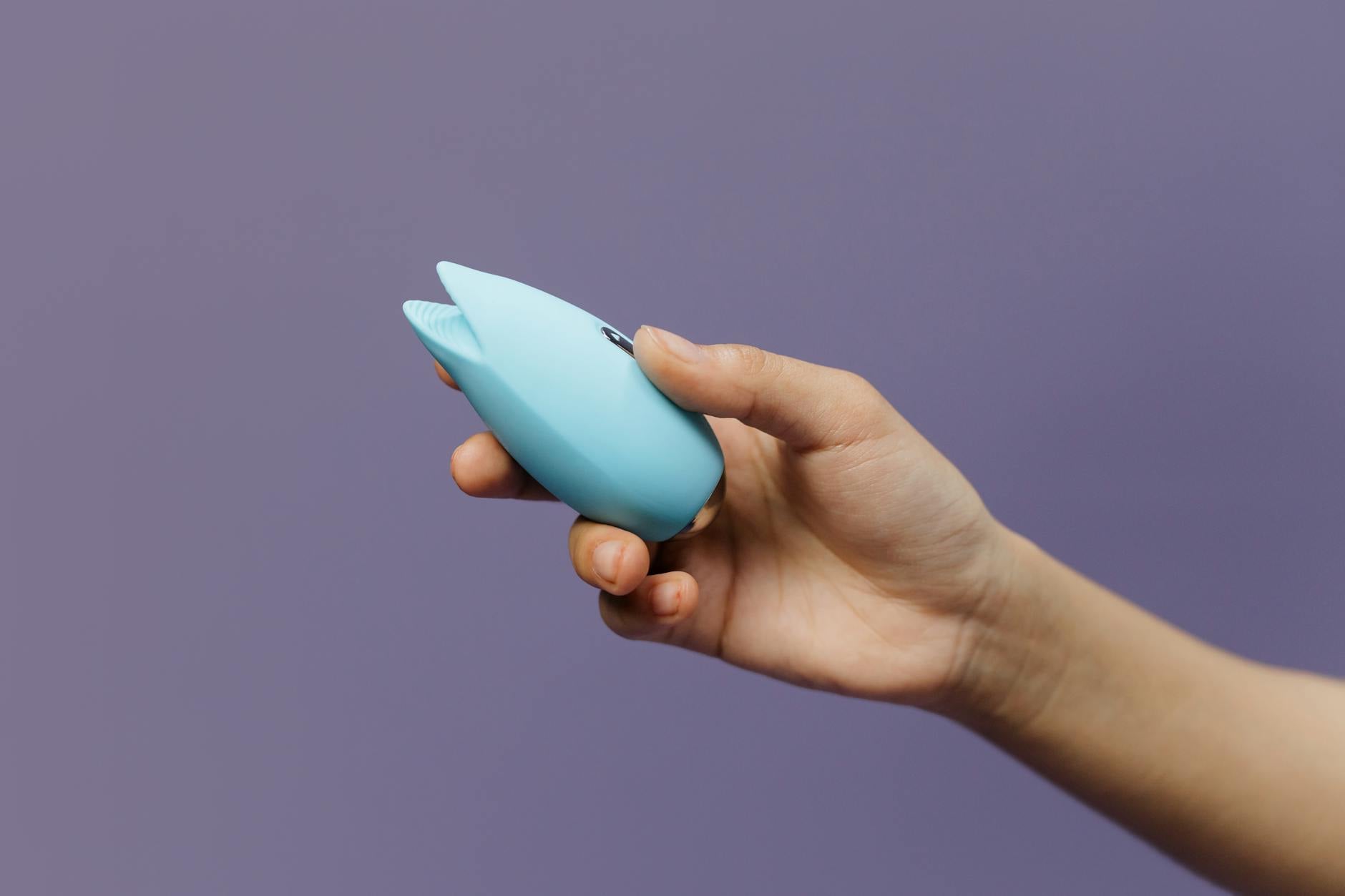
Here's the thing about introducing toys
Most conversations about bringing a vibrator into the bedroom fail because they happen at the wrong time, in the wrong way, and with too much pressure attached. You're not proposing an upgrade to your partner's body. You're introducing a tool that can change how pleasure feels for both of you. That's a very different conversation.
If your partner has never used a lemon vibrator or any clitoral vibrator before, the difference between "this will be great" and "this feels like a rejection of me" often comes down to how you frame it. Not the words you use. The energy behind them.
The conversation matters more than the toy
Let's get real: if you just produce a vibrator mid-foreplay, most people feel ambushed. Even if they say nothing, something shifts. Their body tenses. They start thinking about whether you've been unsatisfied, whether they're not enough. That spiral is the opposite of what you want.
Instead, talk about it outside the bedroom. Weekend morning, casual moment, not during sex. Start with curiosity, not agenda. "I've been reading about air-suction vibrators like the Lem. They work differently than traditional vibrators because of how the suction stimulates nerve endings. I'm curious if that's something you'd want to try together."
Notice what that does: it positions the tool as something new and interesting, not as a fix for something broken. It gives your partner permission to say no without feeling like they're disappointing you. And it signals that you've thought about this, not just impulse-bought something.
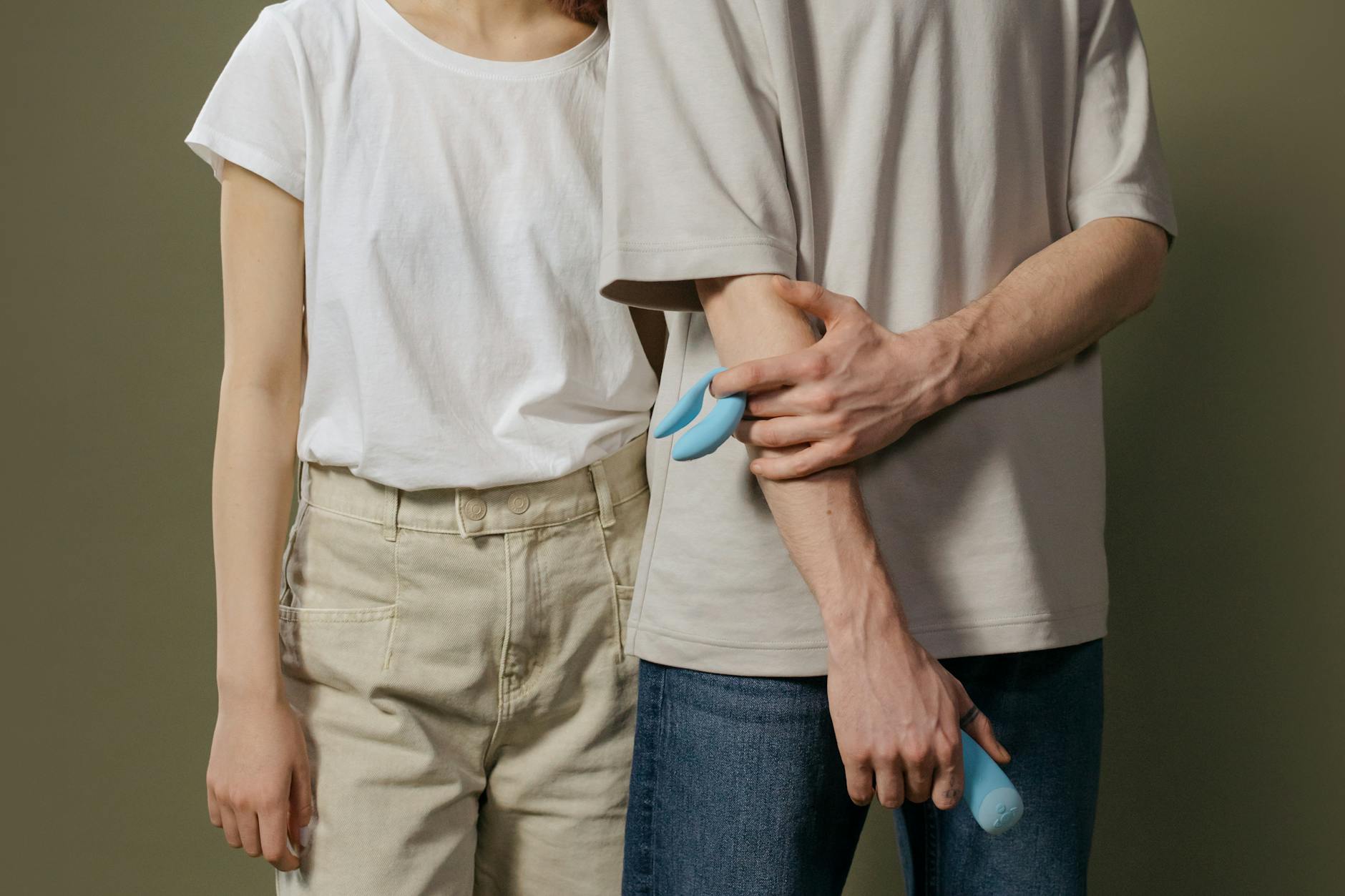
Photo by cottonbro studio on Pexels
Why the Lem works for first-timers
If your partner is nervous about vibrators, air-suction lemon clitoral vibrators like the Lem are genuinely easier to ease into than traditional vibrators. Here's why.
Traditional vibrators buzz. They're intense. If you're new to vibrations, your instinct is often to pull away. The sensation can feel overstimulating before the body learns to settle into it.
Air-suction vibrators work with gentler pressure. The Lem creates a rhythmic pulse that feels less like a buzz and more like a slow, building sensation. It's closer to the kind of stimulation your partner might experience manually, which makes it feel less like a sudden shock to the system. Many people who've been hesitant about traditional vibrators find air-suction tools approachable because the experience feels more intuitive.
For someone brand new to lemon sexual toys, that difference matters. It's the difference between "this is kind of nice" and "okay, I see why people like this."
How to actually introduce it the first time
You've had the conversation. Your partner is willing. Here's how to make the first experience actually good instead of awkward.
Start with a lower pattern. The Lem has multiple intensity settings. Begin at pattern 1 or 2. Your partner's body has no reference point for this sensation yet. Too much intensity feels overwhelming and can accidentally create a negative association. You want them to have room to settle into it.
Use lubrication. Water-based lube is your friend. It reduces any friction that might feel strange and helps the suction seal work the way it's designed to. Plus, it removes any sense of dryness or friction that might create anxiety.
Let them hold it. Don't place it on them. Hand it over, let them explore where it feels good and at what angle. This gives them control and removes the power dynamic of "you're doing something to me." It becomes collaborative.
Keep talking. Not constantly, but check in. "How does this feel?" "Want to try a different pattern?" "More or less pressure?" These micro-conversations anchor the experience in communication, not performance.
What to do if the first time is awkward
It might be. That's normal and doesn't mean it won't work out.
Some people feel self-conscious the first time a toy is introduced. Some find the sensation unfamiliar and need time to adjust. Some have residual shame about sexuality that makes toys feel risky or wrong. None of that means "this was a mistake" or "my partner doesn't like toys." It means your partner needs time and permission.
If the first try doesn't go great, don't push. Back off. Wait a week or two, then bring it up again. "That felt weird last time, but I'd like to try again if you're willing. Maybe we do it differently." Different can mean different patterns, different timing, different context.
The goal is not to have your partner orgasm with the lemon vibrator on night one. The goal is to plant the idea that toys can be pleasurable and that using them together is something you both want. That takes patience.
The insecurity piece (because it's real)
Listen: some people feel threatened when a toy enters the picture. If your partner says "I feel like you don't want me anymore" or "I'm not enough," that's not about the toy. That's about anxiety in the relationship that existed before the vibrator showed up.
Separate the conversations. "My body responds in different ways to different kinds of stimulation. That's not about you being a problem. That's about how sensation works. Using a toy with you isn't replacing you. It's exploring something together."
If your partner seems genuinely distressed, consider whether this is the right time to introduce toys at all. Relationship anxiety runs deeper than "my partner wants to use a vibrator." If trust or intimacy feels shaky, address that first. Toys can be great for couples with solid foundations. They won't fix foundations that are cracked.
Making it a regular part of your routine
Once the awkwardness passes and your partner is open to it, the question becomes: how do we normalize this?
Use the Lem the same way you'd use your hands or mouth. Don't make it a special occasion event that gets heavier every time. Just... use it. During foreplay. As part of sex. In different positions. At different times.
When something becomes routine, it stops feeling like a big deal. That's exactly what you want. Your partner should feel like choosing a lemon clitoral vibrator is as natural as choosing a position. No performance pressure, no weirdness.
Also: if your partner wants to use it solo sometimes, that's good. That means they're comfortable with it. Comfort is always the goal.
When to bring in communication about what works
After a few times, you have enough data to talk about what actually felt good. What patterns worked. What rhythm. Whether they prefer it solo or with a partner inside them. These conversations should happen outside the bedroom, in the same casual way you talk about literally anything else.
This information becomes your roadmap for future sex. You're not guessing anymore. You're responding to actual feedback. Your partner feels heard. The sex improves because you know what works.
That's the whole point of introducing toys. Not to fix something broken. Not to prove you're modern or progressive. To give you more information about what creates pleasure for your partner and to expand your toolkit together.
FAQ
Is introducing a vibrator a sign of relationship trouble?
Not at all. Some of the most secure couples use toys together regularly. Wanting to explore new ways to create pleasure is actually a marker of curiosity and connection, not dissatisfaction. If your partner seems upset by the introduction, that's worth exploring separately, but the tool itself isn't the problem.
What if my partner refuses to use a vibrator?
That's their boundary and it's valid. Some people simply don't want toys in their sex life, and that's okay. You can still have amazing sex without them. What matters is that you've had the conversation and you both know where the other stands. Don't keep pushing once you hear "no."
Do we have to use it together the first time?
No. Some partners prefer to explore alone first, then bring it into partnered sex. If your partner wants to experiment in private before using it with you, that's actually a smart approach. They get comfortable with the sensation on their own terms.
Will using a vibrator decrease sensitivity over time?
This is a common worry and it's largely unfounded. Your body doesn't desensitize to vibration the way it can desensitize to numbing cream or repetitive friction. Air-suction vibrators like the Lem especially are gentler than traditional buzz vibrators. You can use them regularly without any loss of sensation.
What if the Lem isn't the right size or feel for my partner?
There are other options in the Hello Nancy collection. Some people prefer smaller tools. Some prefer wand vibrators. Size, shape, and intensity all matter. If the Lem doesn't work, trying a different toy is totally reasonable. The goal is finding what feels good, not forcing one specific tool to work.
How do I keep this from feeling awkward over time?
Normalize it. Use it the way you'd use anything else in your sexual repertoire. Don't make it precious or special. Don't check in obsessively about whether it's "working." Just use it, enjoy it, and move on. The less you make it weird, the less weird it becomes.
The bottom line
Introducing a partner to lemon vibrators comes down to three things: honest conversation before sex, pace during the first experience, and patience if awkwardness shows up. The Lem and other Hello Nancy clitoral vibrators are genuinely accessible tools for first-timers because the sensation feels intuitive and less overwhelming than traditional vibrators.
Your partner's comfort and consent matter infinitely more than having a toy in the bedroom. But if you approach the introduction with genuine curiosity and care about how they feel, most people come around. And many discover that exploring pleasure together deepens connection in unexpected ways.
If you have specific questions about how to navigate this in your relationship, I'm here to help. Reach out at the contact link below.