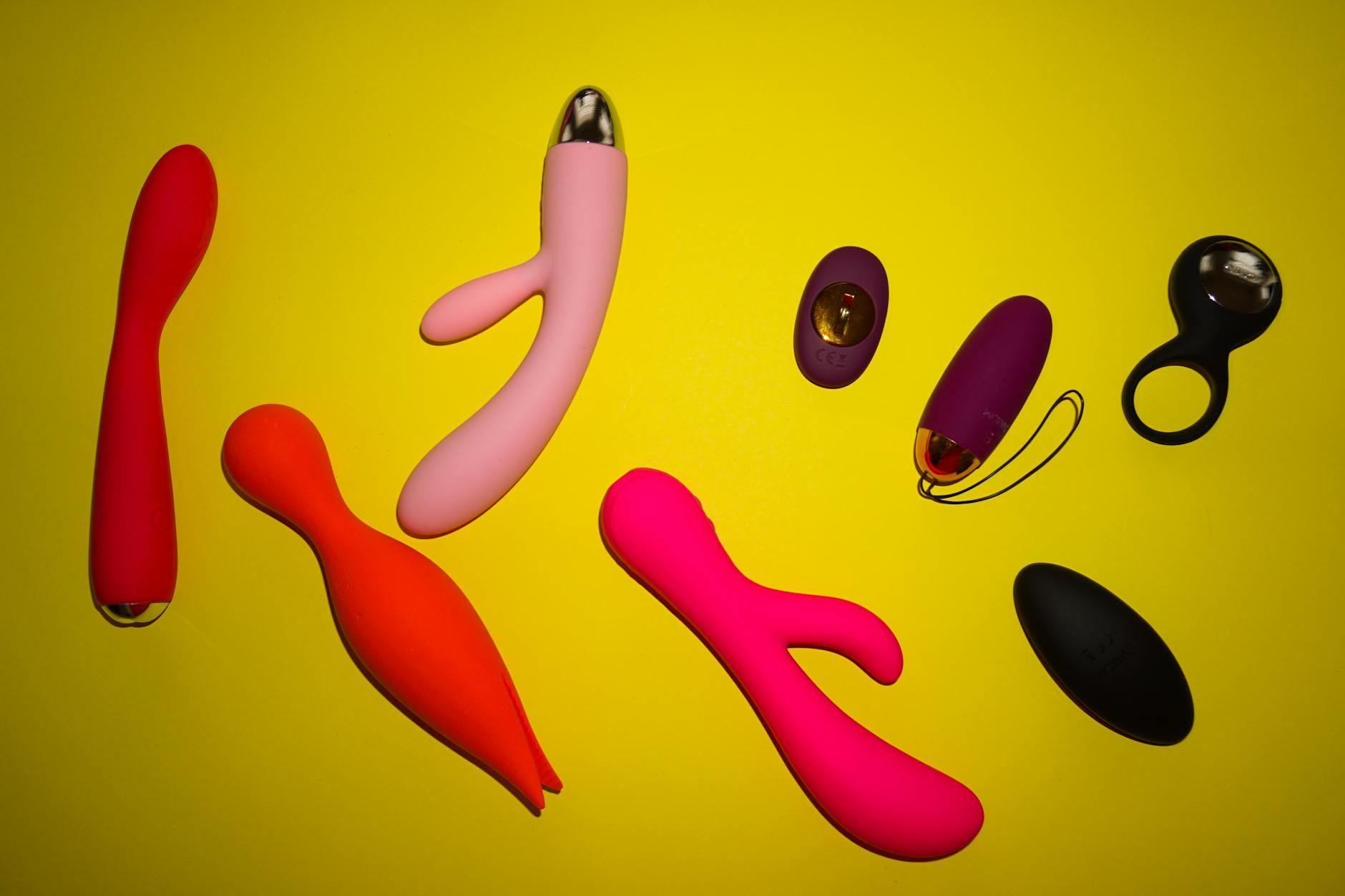
The awkward truth about early-stage intimacy
New relationships are electric and terrifying in equal measure. You're figuring out what your body likes with someone watching. You're managing performance anxiety while also trying to actually feel pleasure. You're navigating what feels vulnerable versus what feels risky. That's a lot of mental load before any clothes come off.
Here's what I've seen work for countless couples: a lemon vibrator can actually reduce that pressure instead of adding to it. Not because toys are magic, but because they shift the conversation from "perform for me" to "let's explore together."
Why a new relationship changes everything physically
Your nervous system doesn't distinguish between "this is exciting" and "this is threatening." Both activate your fight-or-flight response. Early-stage sex with a new partner can feel like both at once, which means arousal stalls, pleasure gets muted, and you end up in your head instead of in your body.
This is completely normal. It's not a sign that the attraction isn't there. It's your brain doing its job: assessing safety with a new person. That assessment takes time and, frankly, it takes repeated positive experiences.
What a lemon clitoral vibrator does is shift the focus. Instead of "Can I orgasm with this person?" the question becomes "What feels good right now, together?" That reframe matters more than you'd think.
The conversation you actually need to have first
Don't ambush your partner with a toy. Do have a conversation that goes something like this:
"I get a little in my head during sex sometimes. I was thinking about trying a vibrator, not because anything's wrong, but because I think it might help me relax and enjoy things more. Would you be open to exploring that together?"
Notice what's not in that sentence: apologizing, explaining what doesn't work, or framing the toy as a fix. You're naming a real experience and inviting partnership.
If your partner has concerns, listen. Common ones are "Will you need it every time?" (Answer: no, but it's nice to have the option.) "Does it mean I'm not enough?" (Answer: it means you're both enough, and pleasure is collaborative.) "What if I feel weird about it?" (Answer: that's okay, and we can figure out what feels comfortable together.)
How to actually introduce it into your intimate routine
Timing matters more than you'd expect. Don't pull out a lemon vibrator when you're both already in bed, clothes off, and ready to go. Introduce it during foreplay, when you're already aroused but not yet fully committed to a specific outcome.
Start with solo use so you get comfortable with the sensation yourself. Run it across your inner thigh, your labia, around the clitoral area. Try the different patterns. (Most lemon vibrators have 5-10 intensity levels and pulse options.) Once you know what feels good to you, it's much easier to guide your partner or use it together without overthinking.
When you bring it into partnered play, keep it simple. Your partner can use it on you while they're also kissing you or touching you elsewhere. Or you can hold it and they can be involved in other ways. The key is that it doesn't have to be the center of everything. It's one tool in a larger experience.
Soft lighting helps. So does lube. So does deciding beforehand that if anything feels weird, you'll pause and talk about it. All of that removes the pressure to perform.
What a lemon vibrator actually changes about early-stage sex
Three concrete shifts I see happen:
1. Arousal becomes more visible and measurable. It's easier to orgasm with a vibrator, especially during early encounters when you're still nervous. That's not cheating. That's practical. When your body successfully reaches orgasm, it sends a signal to your nervous system that this situation is safe. You're literally building a positive association with sex with this new person.
2. You get to stay present instead of performing. Without the pressure to come through conventional stimulation alone, you can actually focus on sensation, connection, and what feels good in this moment with this person. That presence is what builds intimacy, not the orgasm itself.
3. Communication becomes easier. A vibrator gives you something concrete to reference. "That feels good" or "I like it at this intensity" or "Can we try that pattern?" becomes normal conversation instead of something that feels vulnerable to ask for.
When to keep using it, when to shelve it
Here's the honest part: some couples use a lemon clitoral vibrator during the early months and then move to other things. Some couples use it forever. Both are fine.
What matters is that you're not relying on it as a crutch to compensate for disconnection. If you need the vibrator to orgasm but you never orgasm without it, that's worth exploring with your partner. But if you're using it because it feels good and you both enjoy it? There's no timeline for growing out of that.
One more thing: "new relationship" doesn't have a fixed endpoint. Some couples feel "new" to each other for three months. Some for two years. You'll know when the dynamic shifts because the pressure will naturally ease and you'll both be more playful about things.
Managing expectations (for both of you)
A lemon vibrator won't fix attraction issues or communication problems. It won't make bad sex good. But it can ease the transition from "we're still figuring each other out" to "we know what each other likes and we enjoy it."
Expect it to feel a little awkward the first time. That's information, not a problem. Expect that your partner might need time to warm up to the idea, even if they're into it intellectually. That's human. Expect that using one will probably make you feel more comfortable asking for what you actually want, which is the real win.
If you've returned to sex after an extended break, a vibrator can ease that transition even more, because you're not trying to relearn your body while also managing new-partner nerves.
The longer conversation underneath all this
I work with couples who've been together for decades. The ones who have the best sex aren't necessarily the ones who never felt pressure or vulnerability. They're the ones who learned to talk about it. They're the ones who figured out that pleasure is something you build together, not something one person delivers to the other.
Using a lemon vibrator in a new relationship isn't about the toy. It's about practicing collaboration. It's about learning that you can ask for what feels good without it being a referendum on your partner. It's about recognizing that pleasure is worth creating space for, together.
That conversation, that willingness to explore and adjust, is what carries couples through the new-relationship phase into something sustainable. The vibrator is just the vehicle.
People also ask
Should I buy a lemon vibrator before or after I suggest it to my partner?
After, ideally. Buying it together removes the secrecy and makes it a collaborative choice. But if you already own one from a previous relationship or for solo use, that's fine too. Just be transparent about it. "I've actually used something like this before and I liked it" is straightforward and honest.
What if my partner thinks using a vibrator means I'm not attracted to them?
That's a conversation worth having directly. Let them know that attraction and arousal aren't the same thing, especially early on when nerves are real. You can be wildly attracted to someone and still need a minute to settle your nervous system. A vibrator helps with that settling. It's not a rejection. It's practically speaking, a tool for presence.
Can we use a lemon vibrator if we're not comfortable with direct communication yet?
That's actually a sign you might need more conversation first. Using toys works best when there's baseline comfort talking about sex. If you're not there yet, that's okay. It just means the timing might not be right. Build the communication foundation first.
How do I know if my partner is enjoying it, or just going along with it?
Watch for actual engagement. Are they making suggestions? Do they seem relaxed or tense? Are they touching you in other ways while it's happening? And also just ask. "How does this feel for you?" gives them permission to be honest. If they're genuinely uncomfortable, you'll know.
Is it normal to need more intense vibration after a few weeks of using the same toy?
Yes. Your body adapts to sensation. That doesn't mean you're broken or that the toy isn't working. It just means you might benefit from exploring different sensations and settings. Some couples rotate between toys or try different patterns to keep things fresh.
What if I want to use a lemon vibrator but my partner wants to take things slower?
Respect that. You can enjoy a vibrator solo and also explore partnered sex at your partner's pace. Those don't have to be the same timeline. Building intimacy is about meeting each other, not rushing into anything one person isn't ready for.
The bottom line
New relationships are vulnerable by nature. You're both figuring out how to be close with another person. A lemon clitoral vibrator doesn't eliminate that vulnerability. What it does is give you a practical way to ease into pleasure together without the performance pressure. It's a conversation starter. It's permission to acknowledge that pleasure is worth creating intentionally. And in those early months when everything feels new and uncertain, that permission matters more than you'd think.