Let's talk about what actually happens
Vaginal atrophy sounds clinical and scary. What it means: lower estrogen thins the vaginal walls, reduces blood flow, and dries up natural lubrication. This is real. It happens. And it changes how pleasure feels.
Here's the thing nobody tells you clearly: atrophy doesn't kill your ability to have orgasms. It changes the pathway to get there.
What vaginal atrophy actually does to sensation
Estrogen keeps vaginal tissue thick, elastic, and well-supplied with blood vessels. When estrogen drops (menopause, certain medications, hormonal birth control changes, postpartum), that tissue gets thinner. Thinner tissue means less cushioning, less natural lubrication, and sometimes irritation during friction.
But here's what doesn't change: your clitoris still has the same nerve density. The neural pathways for pleasure are still there. The problem isn't your capacity for sensation. The problem is that traditional penetration or direct friction vibrators can feel uncomfortable or even painful on thinner tissue.
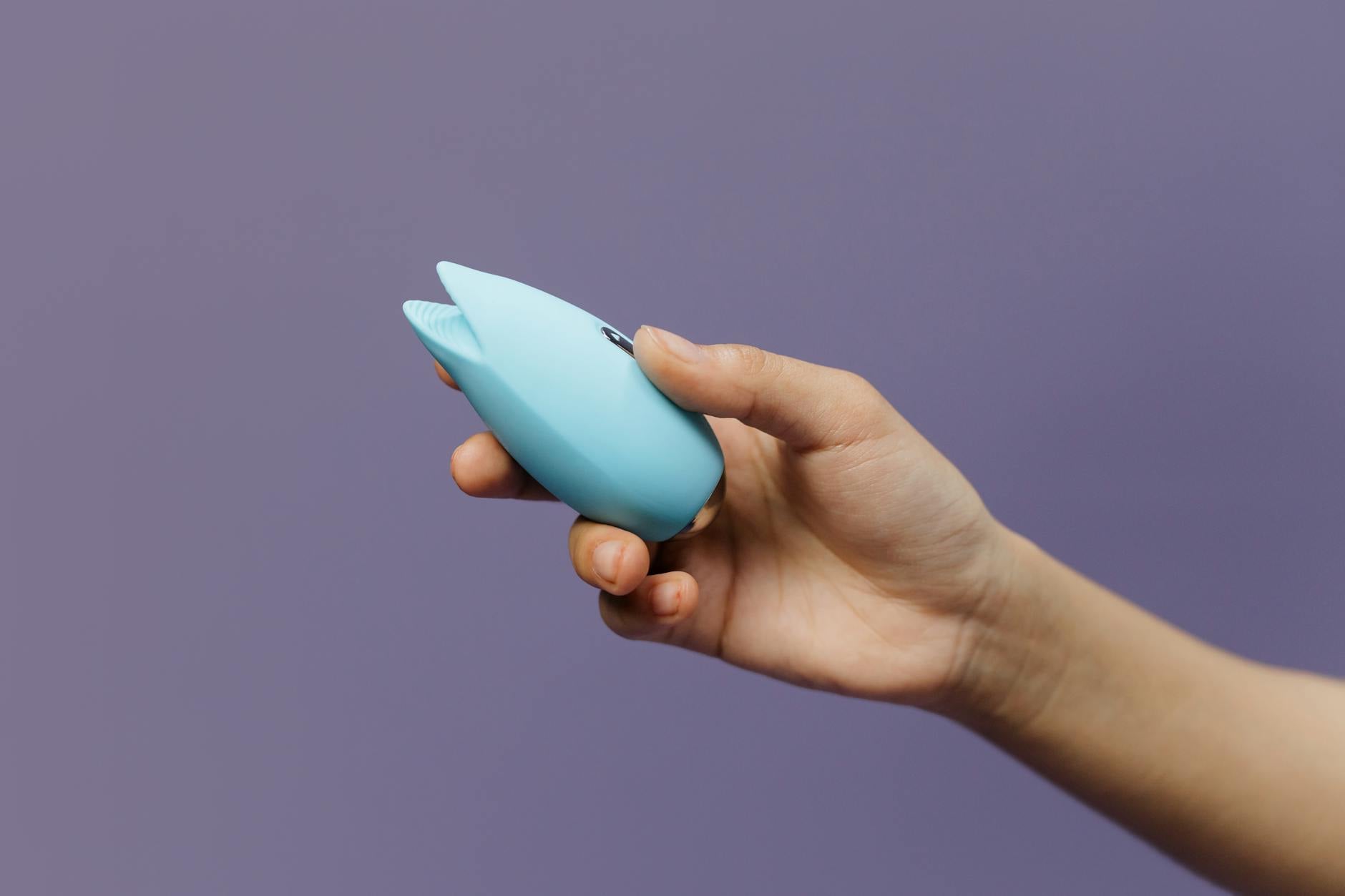
This is where the design of a lemon clitoral vibrator becomes genuinely useful. Air-suction technology doesn't rely on friction. It works differently than a standard vibrator.
Why air-suction beats friction when tissue is thin
A lemon vibrator uses gentle suction pulses instead of traditional vibration. Think of it like a soft, rhythmic squeeze rather than a shake. This approach matters for atrophy because it stimulates the thousands of nerve endings in your clitoral area without the mechanical pressure that can irritate delicate tissue.
Frictional vibrators literally roll or buzz against skin. With atrophy, that can feel too intense, too raw, or outright painful. Suction-based lemon clitoral vibrators create a seal around the clitoris and draw tissue gently inward. The sensation is concentrated and deep rather than surface-level.
For someone with atrophied tissue, this distinction is everything. You get strong stimulation without the friction that causes pain or further irritation.
How to use lemon vibrators safely with atrophy
Three adjustments make a real difference:
Start at the lowest setting. Most lemon vibrators have 5-8 intensity levels. Your instinct might be to test the stronger pulses. Resist that. Begin at level 1 or 2 and spend 3-5 minutes there. You're waking up sensation, not chasing intensity. Your body will tell you when to move up.
Use lubricant every time. This isn't shame or failure. Atrophy means your natural lubrication is reduced. Water-based lubricant protects your tissue, makes the suction feel smoother, and reduces any micro-irritation. Apply generously around the clitoral area before you start.
Build your warm-up time. Atrophy doesn't change arousal speed, but estrogen depletion does. Your body might need 15-20 minutes of mental and physical arousal before you're ready for a lemon vibrator. That's normal. Rushing that warm-up period and jumping straight to the toy can feel uncomfortable.
The emotional shift that comes with this
Using a lemon vibrator with atrophy often means grieving the old way your body worked. That's real, and it's worth acknowledging. The friction-based pleasure you had before might not be available right now. That sucks.
But here's what I see in my practice over and over: people discover new kinds of pleasure with atrophy that surprise them. The suction sensation goes deeper. The pulses feel more focused. Because you're not fighting friction or discomfort, your brain can relax and actually be present. Many clients tell me their most intense orgasms have come after learning this new pathway.
That's not consolation prize language. That's just what happens when you stop pushing your body to work the old way and let it show you what it can do now.
When to see a doctor
If using a lemon clitoral vibrator causes pain, burning, or bleeding, stop and call your doctor. Genitourinary syndrome of menopause (GSM) often responds beautifully to topical estrogen creams. You might use the cream for 2-3 weeks and then find that tissue thickness improves enough that pleasure becomes comfortable again. These creams are low-systemic absorption, meaning they stay local and don't flood your whole body with hormones.
Some people benefit from vaginal moisturizers (used every 2-3 days) plus lubricant during sex. Others need the estrogen cream. A menopause-trained GP or gynecologist can figure out which approach fits your body.
Atrophy is also sometimes paired with reduced blood flow, which makes arousal take longer or feel less intense. If that's happening, mention it. Low-dose testosterone therapy is available and can be genuinely transformative for sensation and desire.
The truth about pleasure and atrophy
Your body is changing. That's true. Your clitoris still works. Sensation is still possible. Orgasms are still within reach. The lemon vibrators from Hello Nancy are specifically designed for this: to deliver focused, friction-free stimulation when your tissue is doing something different.
You're not broken. Your body is adapting. And with the right information, tools, and a little patience, pleasure gets to come along.
FAQ
Can you use a lemon vibrator if you have severe vaginal atrophy?
Yes, but talk to your doctor first. Severe atrophy sometimes means tissue is inflamed or prone to tearing. Your GP can tell you whether topical estrogen needs to come before pleasure tools, or whether they work together. Most people find that even mild estrogen cream plus a lemon clitoral vibrator creates the perfect combination because the vibrator's suction doesn't add friction on top of inflamed tissue.
How often should you use a lemon vibrator with atrophy?
There's no rule that you need to use it every day. Some people benefit from using lemon sexual toys 2-3 times a week because the increased blood flow to the area actually helps with tissue health. Others prefer occasional use. The thing atrophy teaches you is that frequency isn't what matters. Comfortable, pressure-free sensation is what matters. Use it when you want to, not because you think you should.
Does atrophy get worse if you don't have sex or use toys?
No. Atrophy is driven by hormone levels, not by disuse. That said, increased blood flow to the area (from arousal or toy use) can help with tissue health over time. But you're not obligated to use a lemon vibrator to prevent atrophy from getting worse. Use it because you want pleasure, not because you owe your body activity.
Can you combine topical estrogen cream with a lemon vibrator?
Yes. In fact, many people find this combination ideal. Use the estrogen cream as prescribed (usually nightly for 2 weeks, then 2-3 times a week after that). On days when you're using a lemon clitoral vibrator, you can apply it on the same day, but leave a few hours between the cream and the toy. The cream needs time to absorb. Your doctor can give you exact timing based on which product you're using.
What lubricant works best with lemon vibrators and atrophy?
Water-based lubricant is your friend. Brands like Sliquid, Yes, or Hyalo Gyn are designed for sensitive tissue and work beautifully with silicone toys. Avoid oil-based lubes (coconut oil, etc.) because they can damage silicone. Silicone-based lubricants are richer and longer-lasting, but they also build up on the toy over time. Water-based requires reapplication but gives you more control and works better if you're using any topical medications.
Does a lemon vibrator feel different once atrophy improves?
Yes. As tissue thickens back up (whether from estrogen therapy, time, or natural recovery), the sensation can shift. Some people find the suction feels less intense because there's more cushioning. Others feel like they have more capacity for stronger settings. This is why starting at lower intensities matters. You're building a relationship with your lemon vibrator over time, and that relationship changes as your body changes. That's fine. Adjust as you go.
Read more on pleasure and body changes
If you're navigating tissue changes, you might also find it helpful to explore how lemon vibrators restore pleasure after vaginal dryness and atrophy or how lemon clitoral vibrators improve sensation when estrogen levels drop. Both dive deeper into the hormone side of what's happening in your body.
If you're managing atrophy plus other sensations like pelvic floor tension, how lemon vibrators improve pleasure when you have pelvic floor tension might help you understand the full picture. And if you're using topical estrogen or other treatments and want to know more about safe use, can you use lemon vibrators during menopause safely has practical answers.
Your body deserves pleasure. That hasn't changed, even though your tissue has.