Here's the thing nobody mentions in the fine print
About 60% of people taking SSRIs report that pleasure feels muted. Not gone. Just turned down, like someone lowered the volume on your nervous system. Antihistamines, blood pressure meds, and certain diabetes medications do the same thing. Your brain still wants pleasure. Your body just stopped getting the memo.
The frustrating part: doctors rarely connect the dots. You mention numbness during a routine check-up, they nod sympathetically, and then you go home wondering if this is just your new normal. It's not. And there are real, evidence-backed tools that help.
Why medications kill sensation
SSRIs work by increasing serotonin availability in your brain. That's helpful for mood. But serotonin also suppresses the dopamine systems that drive sexual arousal and pleasure. You've essentially gotten a mood upgrade and a sensation downgrade bundled together.
Other medications work differently but land in the same place. Beta-blockers reduce blood flow to the genitals. Antihistamines dry out mucous membranes, which makes everything feel less responsive. Some blood pressure medications numb the nerve endings themselves.
The nerves are still there. The neural pathways still work. But the signal got quieter.
Why standard advice doesn't work
Your doctor might suggest you need more foreplay, or that your partner should try different techniques. Sometimes that helps. Usually it doesn't, because the problem isn't technique. It's that your nervous system needs more stimulation to cross the threshold into feeling anything at all.
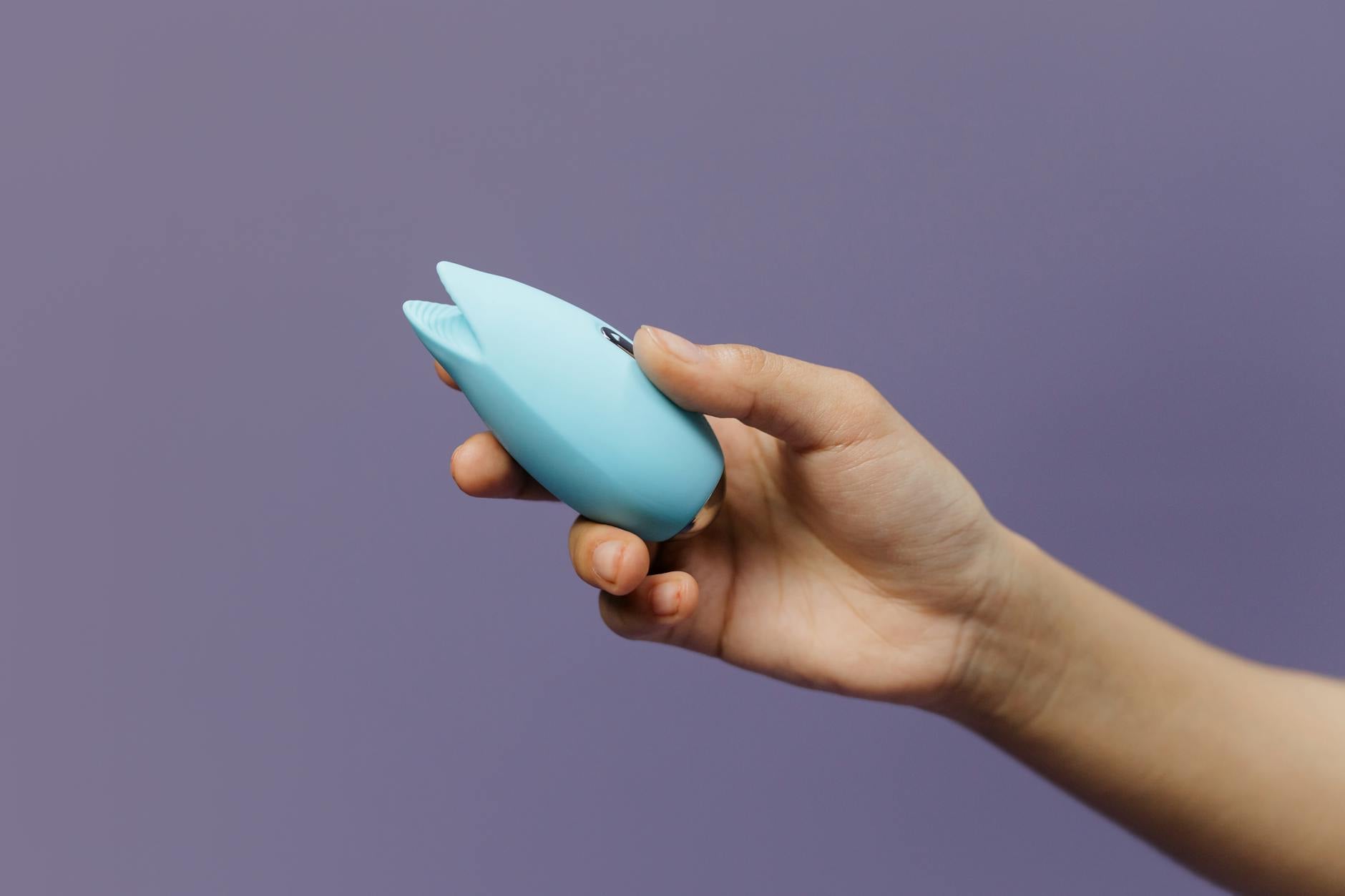
That's where intensity comes in. Not roughness, intensity. Rhythmic, focused, sustained stimulation that wakes up the nervous system and reminds it what pleasure feels like. This is clinical. This is measurable. This is why clitoral vibrators, particularly ones like the Lem that use air-suction technology, have become standard in sex therapy for exactly this situation.
How air-suction vibrators work differently
Traditional vibrators vibrate. That's useful. But they rely on a single mechanism and a lot of surface area to build sensation. Air-suction devices use gentle pressure and pulsing suction on the clitoris itself. The stimulation is more concentrated and rhythmic in a way that's harder to ignore, even if your nervous system is running at half volume.
This matters because medication-numbed sensation often requires what therapists call "threshold reset." You're not looking for more pleasure than before the medication. You're looking for a way to reach the pleasure threshold faster so you can actually feel it when you get there. Lemon vibrators are designed exactly for that.
Three practical steps to restart sensation
First, start alone. When you're learning to feel again, partners add cognitive load. You're managing their expectations, monitoring your own performance, checking if you're "taking too long." That's the opposite of what your nervous system needs right now. Solo exploration gives you permission to spend 20 minutes on sensation-building without guilt.
Second, use the lowest patterns first. The Lem has multiple intensity settings. Resist the urge to jump to maximum. Start at pattern 1 or 2, spend 3-5 minutes there, and notice what you feel. This isn't about rushing to orgasm. It's about rebuilding the sensation map in your nervous system. Many people find that working slowly through the patterns over weeks creates much more reliable pleasure return than jumping straight to intensity.
Third, give it time. Medication numbness doesn't reverse overnight. But research on medication-induced sexual dysfunction shows that pairing consistent use of targeted stimulation (like air-suction vibrators) with medication adjustment conversations creates real improvement. Some people see changes in 2-3 weeks. Others take 2-3 months. Your nervous system needs time to remember what it's supposed to feel.
When to talk to your doctor
This part matters. If numbness appeared after you started a medication, mention it specifically. Say "I've noticed my sensation is less responsive since starting this drug." Don't minimize it. Your doctor has options: adjusting the dose, changing the timing of when you take it, switching to a different medication in the same class, or adding an augmentation medication.
SSRI-induced sexual dysfunction is one of the most common medication side effects and one of the most treatable. Doctors know about it. They just need you to name it.
What to expect with consistent use
Many people report that sensation returns in stages. First, you might notice the vibration is more interesting than before. Then orgasms reappear but feel less intense. After another few weeks, intensity catches up. This isn't linear. You'll have days when sensation feels better, days when it's back to muted. That's normal and doesn't mean you're going backward.
Your partner can be part of this too, but timing matters. Once you've reestablished solo sensation (usually 3-4 weeks), partnered exploration becomes less intimidating because you already know you're capable of feeling something. You're not trying to prove pleasure exists. You're inviting your partner into a conversation about how to build it together.
The bigger picture
Medication-numbed pleasure is not a personality flaw or a sign that your body is broken. It's a predictable side effect of a drug that's helping your mental health. That's worth something. And the fact that targeted stimulation can restore sensation is also worth something. These lemon clitoral vibrators exist because research showed they work for this exact problem.
You don't have to choose between feeling mentally stable and feeling pleasure. You're allowed to want both. And with the right tools and a little patience, you can probably have both.
Frequently asked questions
Can lemon vibrators work if my medication completely killed sensation?
Mostly yes. The key word is "mostly" because sensation loss has degrees. If you can feel touch but not pleasure, air-suction vibrators have a high success rate. If you've lost all sensation, that's a different medical conversation with your doctor. But even then, vibrators can help train your nervous system to notice stimulation. Start slow and talk to your healthcare provider.
How long before I feel a difference?
Two to four weeks of consistent use (2-3 times per week) is the typical window where people report the first changes. Some notice shifts as early as week one. Others take longer. The key is consistency, not intensity. Your nervous system responds better to predictable stimulation than sporadic bursts.
Should I keep using the vibrator even if sensation comes back?
Yes. Not forever necessarily, but during the medication adjustment period, yes. Think of it as reinforcement. Your nervous system is learning that pleasure is accessible again. Stopping too abruptly can feel like regression. Use it until sensation feels reliable, then you can experiment with what you want going forward.
Is there a difference between vibrators and air-suction devices for medication numbness?
Yes. Traditional vibrators are great for many things, but air-suction devices like lemon vibrators are specifically more effective for medication-dulled sensation because of how they stimulate. They target the clitoris more directly and use pressure and rhythm rather than just vibration. For this specific problem, air-suction is usually the better first choice.
What if I'm using multiple medications that affect sensation?
This is more complex and worth a conversation with your doctor. Some medication combinations have compounding effects. Your doctor might be able to adjust timing or dosage so one medication's side effect is less noticeable. In the meantime, a lemon vibrator can still help, but managing this particular situation usually requires medical support too.
Can I use a vibrator if I'm also in therapy or on different medications?
Absolutely. Vibrators are a tool. They work alongside other strategies. Therapy, medication adjustment, partner communication, and solo exploration all work together. There's nothing contradictory about using a vibrator while also working with a therapist on relationship dynamics or while your doctor is optimizing your medication regimen.
What comes next
If you're navigating medication side effects, you're not alone. Sensation can come back. It takes patience, the right tools, and sometimes a conversation with your doctor. Start with self-exploration, give it time, and if sensation returns unevenly or doesn't improve, that's information worth sharing with your healthcare provider. Your pleasure matters enough to advocate for it.
Want to talk through what might work for your specific situation? Reach out to our team at Get Lem Vibrator. We're here to help you find what works.