
Let's talk about what sexual dysfunction actually steals from you
It's not just physical sensation. Sexual dysfunction takes something quieter and harder to get back: belief in your body's capacity. You stop trusting the signals. You doubt whether arousal will show up. You wonder if you're broken in a way that won't fix.
That psychological component is why a lemon vibrator or any clitoral vibrator works differently when you're rebuilding. It's not magic. It's about pattern interruption and nervous system recalibration.
Why conventional treatments sometimes miss the mark
Sexual dysfunction gets diagnosed by absence. You can't orgasm, or arousal doesn't build, or sensation feels numb, or pain appears where there wasn't pain before. Most treatment protocols focus on adding back what's missing: medication, therapy, partner communication. All useful. But they assume the body will cooperate once the barrier is removed.
It often doesn't. After months or years of dysfunction, your nervous system has learned a new default: "this won't work." Your pelvic floor has learned to brace. Your brain has learned to expect disappointment. A lemon vibrator doesn't erase that learning. But it creates a different signal.
The neuroscience of sensation reset with lemon clitoral vibrators
Here's what actually happens when you use a device like a lemon vibrator during recovery.
Clitoral vibrators use rhythmic stimulation to activate nerve pathways that may have gone dormant. Unlike manual touch, which your brain might filter as "this probably won't lead anywhere," the consistent suction and pulsing pattern of a lemon vibrator creates novelty. Your nervous system can't dismiss it as just another failed attempt.
Second, air-suction technology (which is how the Lem works) stimulates without the kind of direct pressure that can trigger protective tension. If pain or numbness has been part of your dysfunction, gentler stimulation often works better than more intense sensation. The suction model lets you build arousal gradually instead of jumping to maximum intensity.
Third, using a lemon vibrator alone removes performance pressure. Your nervous system isn't monitoring a partner's reaction or your ability to "be sexy." You can notice what actually feels good without the overlay of evaluation.
The confidence rebuild happens in layers
First week or two: just noticing sensation without expectation. Not "will I orgasm" but "what does this feel like right now." Many people in recovery report that this phase alone is surprising. Their body feels things they'd written off as permanently unavailable.
Weeks two to four: patterns emerging. Certain rhythms feel better. Certain times of day work better. Your nervous system starts collecting data instead of dismissing everything as "broken." This is where clitoral vibrators really shine. The Lem's multiple patterns let you experiment without switching devices.
Month two onward: pleasure returning, often differently than before. Not the same as pre-dysfunction arousal. New. Sometimes better. The psychological shift here is huge. You're not recovering something lost. You're discovering something rebuilt.
What actually changes when you rebuild with lemon vibrators
Your pelvic floor learns to relax instead of brace. This takes time. Tension often develops as a protective response during dysfunction, and it becomes automatic. Gentle, consistent stimulation with a lemon vibrator helps that bracing pattern interrupt.
Your nervous system recalibrates its threat assessment. Sexual dysfunction often involves the nervous system treating sexual touch as unsafe or ineffective. Positive experiences with stimulation reprogram that slowly.
Your brain stops predicting failure. This is slower to shift than the physical changes, but it's where the real recovery lives. After three months of gentle, successful stimulation with a clitoral vibrator, your brain starts believing arousal is possible again.
Your relationship with your body changes. Not spiritually. Practically. You start touching yourself differently. You notice pleasure without judgment. You can be alone with sensation without narrating failure.
How to actually use a lemon vibrator if you're rebuilding
Start with pattern one, lowest intensity. Your goal is not orgasm. It's just "did my body register that." Give yourself five to ten minutes. Stop when you want to, not when you feel like you should continue.
Use water-based lubricant. If sensation has been numb, lubrication isn't about comfort. It's about conducting sensation more clearly to your nerve endings.
Keep sessions short and frequent rather than long and intense. Fifteen minutes twice a week beats sixty minutes once a month. Consistency retrains the nervous system faster.
Expect it to be weird at first. Unusual sensation can feel clinical or jarring after dysfunction. That passes. Your brain is just updating its map.
Don't chase orgasm yet. That's the hardest instruction to follow, but it's the one that matters most. Your sympathetic nervous system (fight-or-flight) activates when you're goal-focused. Pleasure requires parasympathetic tone (rest-and-digest). Let the Lem do the work. You just notice.
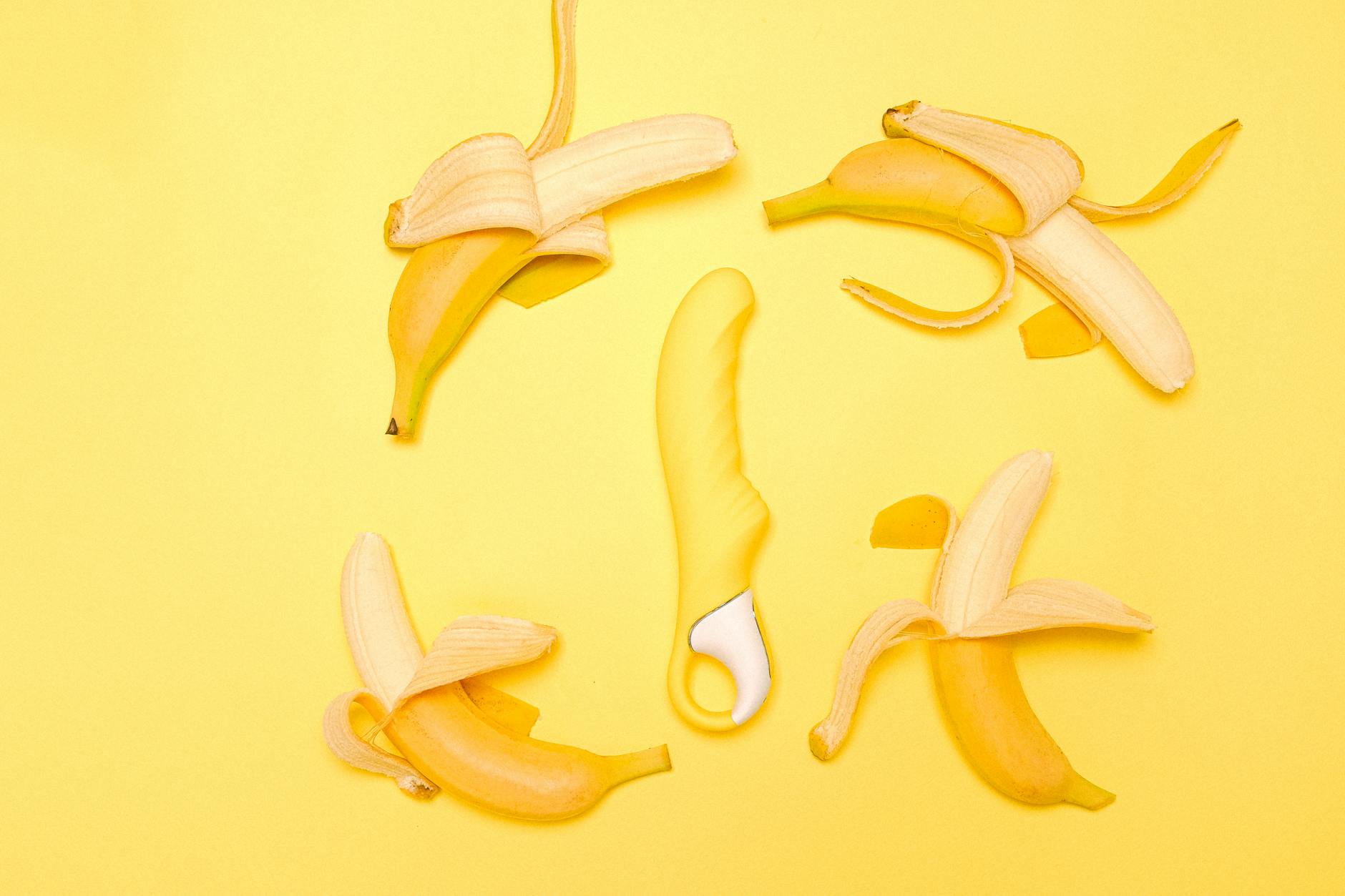
Photo by Anna Shvets on Pexels
When to bring this into a relationship context
If you have a partner, solo recovery with a lemon vibrator usually comes first. This is not rejection. This is nervous system repair that doesn't require an audience. Once you've rebuilt some baseline confidence (usually four to eight weeks), you can integrate clitoral vibrators into partnered sex if that feels right.
If your partner has been affected by your dysfunction (which they often are), this solo phase also gives them something concrete: proof that the problem wasn't relationship-based, and evidence that recovery is happening. That shifts the dynamic from "something's wrong with us" to "we're both healing."
Many couples find that reintroducing a lemon vibrator together actually strengthens connection. It removes pressure from the partner to provide sensation they can't, and it puts pleasure back in the center instead of on the periphery.
The timeline you should actually expect
First two weeks feel experimental. Sensation might feel muted or strange.
Weeks three to six: shift usually happens here. Arousal starts building more predictably. Many people report their first successful orgasm in this window, though some take longer.
Month two to three: pleasure stabilizes. Arousal becomes reliable. Patterns emerge about what works for your body.
Three months and beyond: sexual function feels normal again, but often different in useful ways. You understand your body better. You know what you actually like instead of what you thought you should like.
If you're not seeing shifts by week four, talk to a sex-positive therapist or gynecologist. Sometimes dysfunction has a physical component (low testosterone, medications, hormonal imbalance, pelvic floor hypertonicity) that a lemon vibrator alone can't address. That doesn't mean vibrators won't help. It means you might need concurrent treatment.
Recovery isn't linear, and that's normal
Some days the lemon vibrator will feel incredible. Other days sensation will feel flat again. This doesn't mean you've lost progress. Your nervous system is relearning trust, and relearning isn't smooth. Stress, poor sleep, relationship tension, and hormonal fluctuations all affect arousal temporarily.
The goal is not to feel good every time. The goal is to rebuild the belief that feeling good is possible. A lemon vibrator is a tool for that. The actual work is consistency and patience with yourself.
One more thing: sexual dysfunction is not a personal failure. It's a response to stress, medical treatment, relationship dynamics, or plain biology. Using a clitoral vibrator to rebuild is not settling. It's taking an active role in your own recovery. That matters more than the tool itself.
People also ask
How long does it take to recover sensation after sexual dysfunction?
There's no universal timeline. Physical sensation often returns faster than arousal confidence. Many people notice physical changes within two to four weeks of consistent stimulation with a lemon vibrator. Psychological confidence rebuilds more slowly, usually over two to three months. If you're not noticing shifts after six weeks, talk to a healthcare provider. Sometimes underlying conditions need addressing.
Can you use a lemon vibrator if pain was part of your sexual dysfunction?
Yes, but carefully. Start on the lowest setting and use it for very short sessions. Pain during sexual function often involves protective tension in the pelvic floor. Gentle, non-pressurized stimulation (like the Lem's suction model) is usually better tolerated than vibration alone. If pain persists or worsens, see a pelvic floor physical therapist before continuing.
Is using a clitoral vibrator during recovery normal, or does it mean something's wrong?
It's completely normal. A lemon vibrator is a therapeutic tool during recovery, not a sign that you're broken or that natural pleasure is permanently gone. Most people eventually transition away from needing the device, but some keep using them because they prefer them. Both are fine.
What if your partner feels insecure about a lemon vibrator being part of your recovery?
This is worth talking about directly. Often partners worry the vibrator means they're not enough, or that you're replacing them. In reality, you're working on your nervous system, not evaluating them. Framing it as "I'm rebuilding my own pleasure," not "you're not working for me," helps. Some couples find that sharing the experience actually strengthens their connection. That's also worth exploring.
Can you use a lemon vibrator alongside therapy or medical treatment?
Absolutely. In fact, that's usually the most effective approach. A clitoral vibrator is a somatic tool. Therapy addresses the relational or psychological components. Medical treatment addresses hormonal or medication-related issues. They work together. Talk to your therapist or doctor so everyone's on the same page.
How do you know when recovery is complete and you can stop using a lemon vibrator?
You'll notice arousal and orgasm happening without the device. Your pelvic floor will feel less rigid. You'll feel desire without panic. Sexual function will feel unremarkable again, like it should. Some people continue using clitoral vibrators because they genuinely prefer them. That's fine. Others phase them out naturally. Listen to what your body actually wants, not what you think recovery should look like.
The bottom line
Sexual dysfunction isn't about willpower or sexiness. It's your nervous system learning a pattern of failure, your pelvic floor learning to brace, your brain learning to expect disappointment. Recovery requires retraining all three.
A lemon vibrator is one tool for that retraining. It's not a cure. It's a way to interrupt the pattern and give your nervous system new data. The real work is consistency, patience, and believing that your body can feel good again.
If you're in the middle of rebuilding right now, here's what I want you to know: this isn't permanent. Sexual function returns. Confidence rebuilds. Your body remembers how to be pleasure. You just need the right conditions and time.
That's what a device like the Lem is for. Not to fix you. To help you remember you were never actually broken.