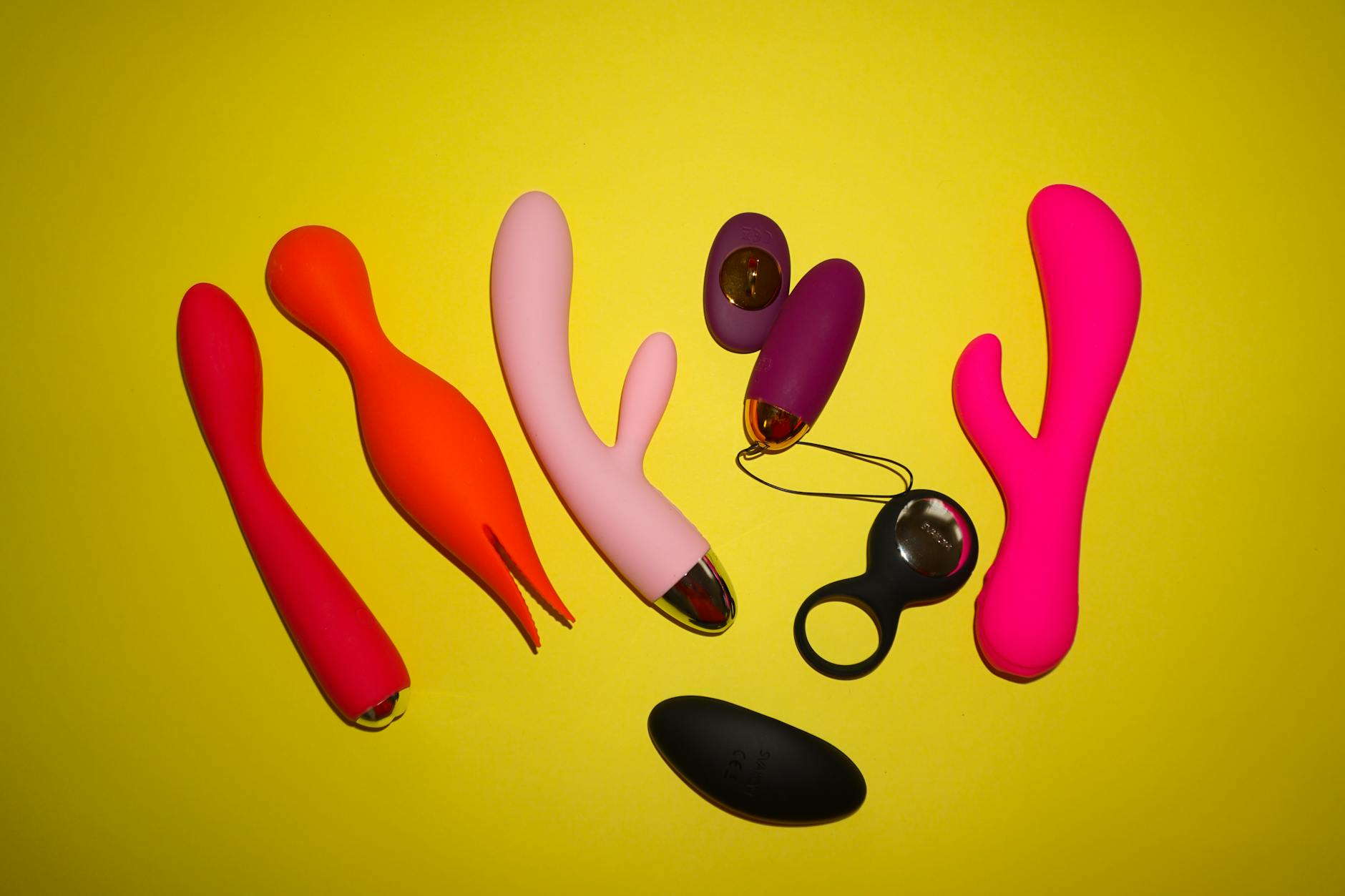
Let's be honest about medication and pleasure
You started a new antidepressant, blood pressure medication, or birth control. Within weeks, something shifted. Orgasms feel farther away. Arousal takes longer to build. Maybe sensation itself feels duller. The instinct is to blame the medication and assume it's permanent. Here's the thing: the shift is real, but it's not a life sentence. And there are specific tools, like a lemon vibrator, that work better than others when neurochemistry changes.
I've had countless conversations with clients who felt blindsided by this. Their doctor mentioned side effects in passing ("Some people experience reduced libido") but didn't explain what that actually means physically, or what to do about it. That's where we start.
How medications actually change sensation
Different drug classes hit pleasure pathways in different ways. Understanding which one matters because the fix depends on what's broken.
SSRIs and SNRIs (selective serotonin reuptake inhibitors like sertraline, escitalopram) are the biggest culprits. They increase serotonin availability in your brain, which is great for mood but can dampen dopamine signaling in the reward pathway. Translation: the incentive to have pleasure shrinks, and the physical response gets quieter. Orgasms often require more stimulation and take longer to reach.
Beta-blockers and ACE inhibitors (blood pressure drugs) work differently. They reduce the signal that tells your body to increase heart rate and blood flow during arousal. Your body literally has less hydraulic pressure, which changes clitoral engorgement and lubrication.
Birth control hormones (estrogen and progestin) suppress your natural testosterone production. Testosterone is a major driver of desire and sensation intensity in everyone with vulvas. Lower testosterone means weaker arousal signals and less sensitivity in nerve endings.
Antipsychotics and mood stabilizers can dull sensation across the board. Some also increase prolactin, a hormone that suppresses dopamine and actively kills desire.
The pattern is consistent across all of these: either the signal gets weaker (dopamine, testosterone), or the body's response capacity shrinks (blood flow, lubrication), or both.
Why lemon vibrators work when medication has dulled sensation
This is the practical part. If sensation is quieter, you need stimulation that cuts through that new threshold. This is where a lemon clitoral vibrator makes a specific difference.
Air suction vibrators like the Lem don't rely on friction alone. They create a gentle suction that stimulates the entire clitoral complex, including internal structures you can't reach with traditional vibration. This matters when medication has dulled local sensation because suction engages different nerve pathways than buzz alone.
Here's what clients notice: the sensation feels cleaner and more direct. Instead of needing relentless intensity, they get precision. The lemon sucker's gentle pulse patterns can start very soft and build gradually, which matches how arousal now works on medication. You're not fighting the med's dampening effect. You're working with it.
The other advantage is control. Air suction devices like a lemon clitoral vibrator let you adjust intensity in granular steps (pattern 1 through 6 on most models). With SSRIs dulling reward, being able to dial intensity up slowly keeps you in the sweet spot where sensation registers without overstimulating and losing it entirely.
Practical adjustments that actually help
If you're on medication that's changed your pleasure, these four moves will help more than waiting for your body to adapt.
Start lower intensity, not higher. The instinct is to crank vibration to fight the numbness. That backfires. Use a lemon vibrator on the gentlest setting and let your body wake up to it. Go slowly. Most of my clients who report success on medication took 20-30 minutes instead of 10.
Separate arousal time from everything else. When dopamine is suppressed by medication, your brain needs fewer distractions competing for attention. A dark room, phone away, no TV. Boring sounds impossible, but the signal from your body is already quiet. You're not adding pleasure. You're removing interference so you can feel what's there.
Lubricate generously. Some medications dry tissue directly (antihistamines, certain antidepressants). Water-based lubricant isn't a workaround. It's a tool. Use it.
Talk to your prescriber, not just your partner. There are sometimes timing adjustments that help (taking the SSRI at night instead of morning, for instance). There are sometimes medication swaps. Bupropion, for example, has a different serotonin profile and some people tolerate it better. Buspirone can sometimes be added to counteract sexual side effects. You probably won't ask unless you know these options exist.
The timeline you should expect
Medication side effects don't resolve overnight. Some people adjust within 2-4 weeks. Others plateau for 8-12 weeks before sensation starts returning. A smaller group (maybe 10-15%) experience persistent dulling even after the body has technically adapted.
A lemon clitoral vibrator helps in the adjustment window because it gives you something that works now, rather than waiting for your body to recalibrate. That matters for your relationship, your self-image, and your willingness to stay on a medication that's helping your mental health.
When the medication change is worth it
Here's the conversation I have with clients: your orgasm is not more important than your depression lifting. Your sexual sensation is not more important than your blood pressure being controlled. But that's a false choice if you don't know about the adjustments available.
Some people find that their original medication still works better than alternatives, even with side effects. They adjust expectations, find tools like a lemon sucker that work better, and move forward. Others find that a different medication in the same class (Wellbutrin instead of Zoloft, for instance) gives them the same mental health benefit without the sexual cost. Those conversations are worth having with your doctor specifically.
The worst option is silence. Not mentioning it to your prescriber, assuming it's permanent, and white-knuckling through until you stop taking the medication without medical guidance. That pattern wrecks both your health and your relationships.
FAQ
Can I take something to counteract medication side effects on pleasure?
Possibly. Sildenafil (Viagra) sometimes helps with blood pressure meds and SSRIs by improving blood flow. Buspirone is sometimes added to SSRIs specifically to restore sexual function. Bupropion can be combined with other antidepressants. These aren't magic, and they don't work for everyone, but they're worth discussing with your prescriber. The key is asking specifically: "Are there ways to manage this side effect while staying on this medication?"
Does the sensation come back if I switch medications?
Usually, yes. Most sexual side effects resolve within 2-4 weeks of stopping the problem medication or switching to an alternative. Blood pressure and hormonal changes are slower. Some people find sensation returns quickly once they're on a different drug. Others discover their baseline has genuinely shifted and they need tools like a lemon vibrator permanently. Both are normal.
Can I just stop taking my medication to get sensation back?
No. This is the conversation where I need to be direct. Stopping psychiatric medications without medical supervision can trigger rebound symptoms that are worse than the original condition. Stopping blood pressure meds can cause a dangerous spike in pressure. If a medication is working for your health, the path forward is working with your prescriber on alternatives or adjustments, not self-managing. Your life depends on that.
Is it normal to need more stimulation when on antidepressants?
Completely normal. SSRIs specifically suppress dopamine signaling in reward pathways. That's the whole mechanism of why they help with obsessive or compulsive patterns. The tradeoff is that your brain needs more input to register pleasure as pleasurable. A lemon vibrator becomes a practical tool in that context because it provides cleaner, more direct stimulation than other options.
Do air suction vibrators work better than regular vibrators on medication?
For most people on SSRIs or dopamine-dampening meds, yes. Air suction engages different nerve pathways than traditional vibration. The sensation registers as distinct and clean rather than trying to build intensity on an already-dampened signal. That said, people are different. Some do fine with a standard vibrator if they give themselves time and permission to explore at their own pace.
How do I talk to my partner about this without making it weird?
Start with information, not emotion. "My medication changed how I experience sensation. It's a known side effect. We can adjust how we approach this, or I can try a different tool." Most partners care more about you being comfortable and healthy than about maintaining the exact same pattern forever. The weirdness usually comes from silence or shame. Information kills both.
The real takeaway
Medication that helps your mental health, manages your blood pressure, or regulates your cycle is worth taking. The sexual side effects are real and they suck, but they're also navigable. A conversation with your doctor, honest communication with your partner, and the right tools—like a lemon clitoral vibrator that works with your new baseline instead of fighting it—can get you back to a version of pleasure that works for you.
Your mental and physical health come first. Your pleasure matters too. Those two things don't have to be in competition if you're willing to ask for help.