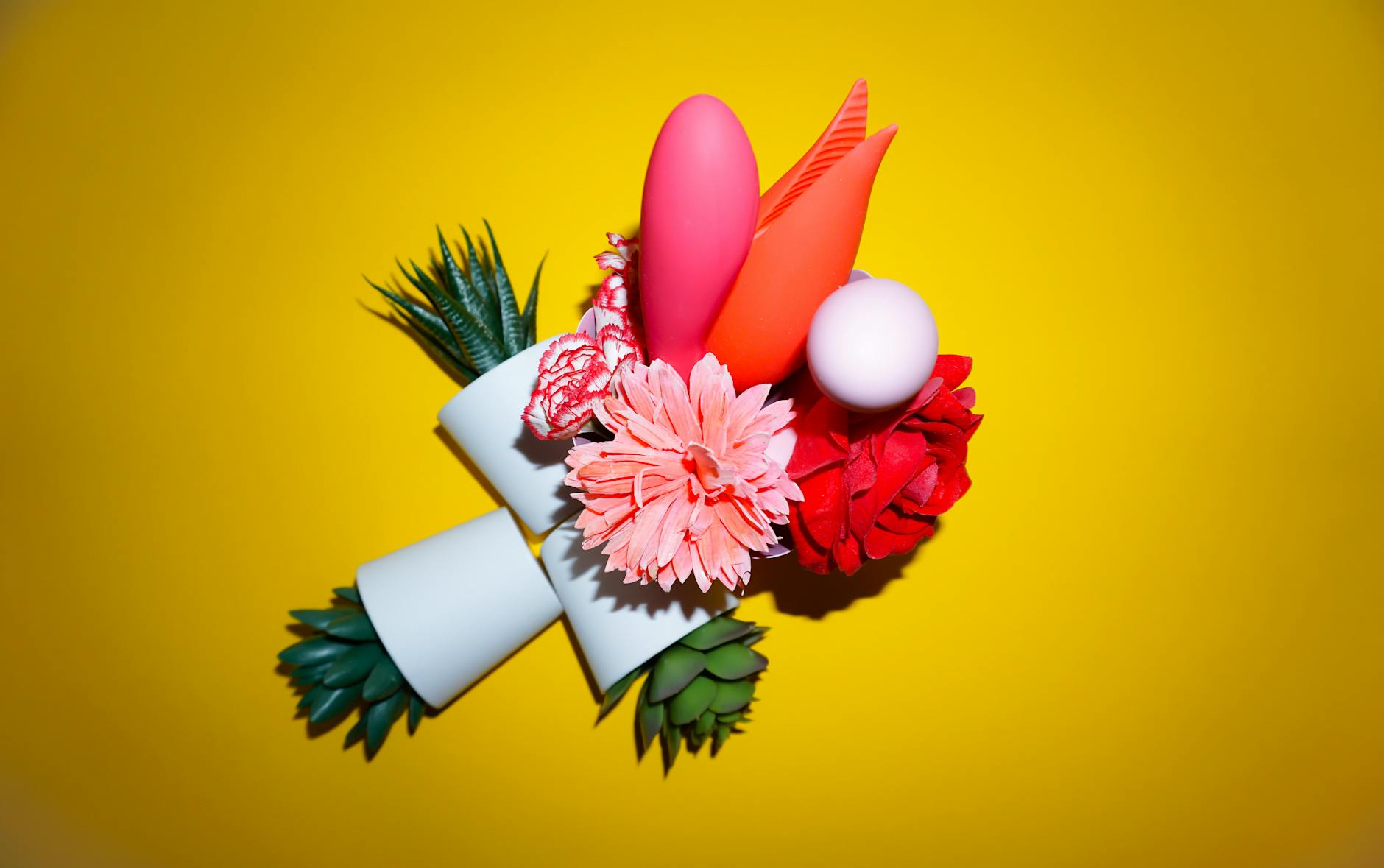
How Lemon Clitoral Vibrators Work With Vulva Changes After 40
Let's be real: your vulva after 40 is not your vulva at 25. It doesn't feel the same, doesn't respond on the same timeline, and frankly, doesn't care about what used to work. This isn't a problem to fix. It's information you need to work with.
The tissue around your clitoris thins slightly. Arousal takes longer to build. Sensitivity can feel inconsistent, some days sharp and some days muted. Direct friction that felt amazing at 30 might feel too intense or uncomfortable now. And here's the part nobody tells you: the right tool changes everything.
Lemon clitoral vibrators, designed with suction-based stimulation rather than direct vibration alone, work with these changes instead of against them. This is why they matter.
What actually changes in vulva tissue after 40
Estrogen levels fluctuate as you move through perimenopause, and even if you're not there yet, estrogen gradually modulates tissue elasticity and thickness throughout your 40s. Your clitoral hood may sit slightly differently. The tissue under the hood thins. Blood flow to the clitoris can take longer to ramp up.
Your pelvic floor also shifts. It may feel tighter or, conversely, less able to grip and release with the same rhythm. Sensation can feel concentrated in some areas and duller in others. Orgasms sometimes feel shallower, sometimes more localized. None of this means you're broken.
The nerves in your clitoris don't change. The capacity for pleasure doesn't change. What changes is the physical pathway to get there.
Why suction-based stimulation works better for tissue changes
Here's the mechanical difference: traditional vibrators rely on direct oscillation against tissue. Lemon clitoral vibrators use air-pulse or suction technology. Instead of vibrating at the clitoris, they gently draw the tissue upward, stimulating the nerve endings without the same abrasive friction.
For someone with thinner tissue, this matters. It's the difference between a direct poke and a gentle, sustained lift. It's also gentler on skin that's more sensitive to micro-abrasions.
Another advantage: you control the intensity more intuitively. Instead of scrolling through 10 vibration patterns, most lemon vibrators (like the Lem) offer simple intensity levels. Start low. Work up. Your body tells you when it's right.
Arousal timing shifts and why warm-up matters more
When you were younger, arousal was often binary. You were in the mood or you weren't. Now, arousal is more of a dial. It takes longer to move from off to on, and rushing it leads to frustration.
Plan for 15-25 minutes of foreplay before introducing a toy. Let your body actually warm up. Blood flow builds gradually. Tissues swell. The clitoris emerges more fully from under the hood. Then introduce the lemon clitoral vibrator.
Many of my clients report that the extended warm-up period, once they stopped seeing it as "more work," actually became the most pleasurable part. Your body has time to catch up with desire. Your mind has time to settle. There's no rushing.
How lubrication changes (and why it matters more now)
Tissue changes mean lubrication production shifts. Some people experience more dryness, especially around ovulation. Others find their natural lubrication is thinner or less abundant than before.
This isn't a reason to skip lube. It's a reason to make it a ritual. Water-based lubricant isn't a sign something's wrong. It's a practical tool that makes everything feel better. Use it generously around the vulva and on the lemon clitoral vibrator. Reapply as needed during longer sessions.
Silicone-based lubes feel richer, but they'll degrade silicone toys over time. Stick with water-based for your Lem or other silicone devices. Keep a small bottle on your nightstand and don't overthink it.
Sensitivity changes and pattern switching
After 40, clitoral sensitivity often becomes less consistent than it was. Some days, you crave intense stimulation. Other days, the same pattern feels too sharp. Some mornings you're highly responsive; other nights, sensation feels muted.
This is often tied to where you are in your cycle, stress levels, sleep, and hormone fluctuations. Rather than seeing it as a malfunction, treat it as useful data. On high-sensitivity days, stick to lower intensity levels on your lemon vibrator. On muted days, you might move to a higher setting or add more warm-up time.
The beauty of a tool like the Lem is its simplicity. You're not hunting through 20 patterns; you're fine-tuning intensity. That's what works for a body in transition.
Partner dynamics and communication
If you're using a lemon clitoral vibrator with a partner, this is the moment to separate two conversations: what your body needs now, and what your partnership needs. They're not the same thing.
Your body now requires longer warm-up, possibly more lube, and gentler initial stimulation. That's not about your partner. It's about your tissue. Communicate it plainly: "I need 20 minutes before we introduce the toy" or "I'm more sensitive today, so let's start on setting 2 instead of 4." Neither statement is a complaint. Both are logistics.
Many couples find that integrating a lemon clitoral vibrator together actually strengthens their intimacy because the focus shifts from "Am I taking long enough?" to "What does this feel good right now?" Pleasure becomes collaborative rather than performative.
Solo exploration vs. partnered use
You might find your experience is different alone than with a partner, and that's completely normal. When you're solo, you set the pace. You don't have to manage another person's arousal or attention. Many people in their 40s and beyond report that their most satisfying experiences happen during solo exploration, specifically because the pressure lifts.
Try both. Notice what's different. The lemon clitoral vibrator will perform differently depending on context, and that data helps you understand your body better. Use it for solo discovery. Use it with a partner. There's no single "right" way.
When to see a provider about persistent changes
If you're experiencing pain during stimulation, that's worth mentioning to a gynecologist. Genitourinary syndrome of menopause (GSM) is treatable, often with topical creams that have minimal systemic absorption. A few weeks of treatment can transform the experience.
If lubrication is so sparse that even generous water-based lube doesn't help, mention it. There are options. If arousal literally isn't happening even during extended warm-up, mention it to your doctor. Low testosterone is sometimes part of the picture, and that's treatable too.
Your provider might ask what you're using for stimulation. Tell them. A provider who understands that a lemon clitoral vibrator is part of your sexual health toolkit is worth keeping around.
The shifts you might notice (and what they mean)
Orgasms sometimes feel different after 40. They might be shorter, longer, more diffuse, more intense, or concentrated in new areas. You might notice you need consistent stimulation to reach orgasm, where before you could get there inconsistently. You might need to be in a specific position or at a specific arousal level. None of this is worse. It's different.
Some people report that the most profound orgasms of their lives have come after 40, specifically because their bodies have a clearer feedback system. You know what works now. You've stopped performing for imaginary audiences. You've slowed down. And that often leads to sensation that feels richer, more available, and frankly more satisfying than rush-hour sex ever did.
Others find sensitivity is genuinely more muted. If that's your experience, a lemon clitoral vibrator can help bring sensation into range again. The suction-based design stimulates nerves that vibration alone might miss. It's not magic. It's just better-matched to your body right now.
Troubleshooting common issues
The Lem doesn't feel like much. Start lower than you think you need to. Skip straight to low settings the first few times. Your body will tell you if you need more.
I'm getting intermittent sensation. Add more lube. Make sure the suction seal is tight against your skin. Try a different position so gravity works with you rather than against you.
It feels too intense even on the lowest setting. Your tissue might be extra sensitive today. Take a break. Try again tomorrow. Or use lube on the outside, which can buffer intensity. Some people find pressing the Lem less directly onto the clitoris and more onto the surrounding tissue works better.
Arousal still isn't building even with 20 minutes of foreplay. Stress, sleep debt, and hormones all play a role. Consider a different day or context. Some people find that a brief walk, a glass of water, or genuinely clearing mental clutter helps arousal more than physical foreplay alone.
FAQ: Lemon clitoral vibrators and vulva changes after 40
Why do lemon clitoral vibrators feel different from regular vibrators?
Lemon vibrators use air-pulse or suction technology instead of direct vibration. For thinner tissue after 40, this means stimulation without the same friction. It's gentler on sensitive skin and often feels more like a sustained sensation than a buzzing vibration. That design difference matters when tissue changes.
Does using a lemon clitoral vibrator change sensitivity over time?
Not permanently. Your sensitivity will fluctuate based on your cycle, stress, sleep, and hormones. The vibrator is a tool, not something that rewires your body. If you find yourself needing higher intensities after months of use, take a break for a week or two. Sensitivity usually bounces back.
Can I use a lemon vibrator if I'm on antidepressants or blood pressure medication?
Most medications don't contraindicate vibrator use. However, some SSRIs and blood pressure meds do affect arousal and sensation. If you notice numbness or delayed response, mention it to your doctor. Your medication might be part of the picture, and there are sometimes adjustments that help. This is completely separate from whether the tool works for your body.
What if penetrative sensation feels numb after 40?
Thinner vaginal tissue can mean penetration feels less intense. This is really common and worth normalizing. If you want more sensation, focus on clitoral stimulation (where a lemon vibrator shines) rather than chasing penetration. Many people find that combining clitoral work with light penetration creates a fuller sensation than penetration alone.
How often should I use my lemon clitoral vibrator?
There's no "right" frequency. Some people use it multiple times a week. Others use it once a month or less. Use it as often as it feels good. There's no evidence that regular use diminishes your natural sensation (that's a myth). Your body tells you what it needs.
Is it normal for orgasms to feel smaller after 40?
Yes. Orgasm intensity naturally varies across your life. Thinner tissue, lower estrogen, and changes in pelvic floor support all play a role. That doesn't mean they're worse. Many people report that the quality of sensation feels richer or more localized, even if the peak feels smaller. Your nervous system is more educated now about what pleasure is.
What comes next
Your body after 40 is not a downgrade from your body at 25. It's a different instrument that needs different tuning. A lemon clitoral vibrator is designed for that instrument. It works with tissue changes, not against them. It rewards patience and warm-up. It gives you control over intensity without overloading you with choices.
The goal isn't to recreate pleasure as it was. The goal is to discover what pleasure is now. That often turns out to be better than you expected.
If you have questions about how a lemon vibrator might work for your specific situation, or if you'd like to talk through other changes you're noticing, reach out to us. We're here to help you think through what tools and approaches actually fit your body and your life.