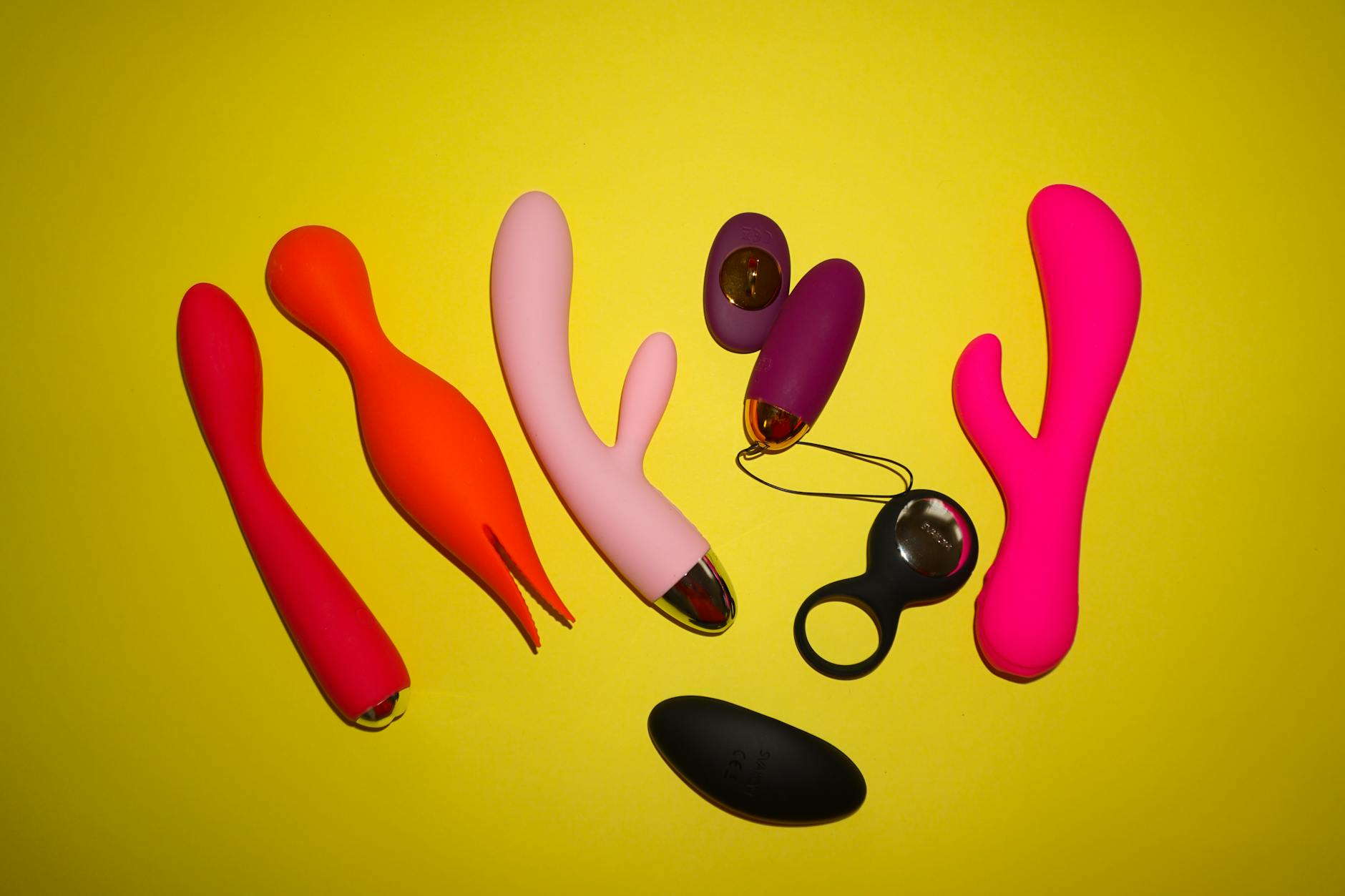
The strange experience of desire returning
Honestly, when depression lifts enough that libido starts creeping back, it can feel almost disorienting. Your body is waking up to something it had put to sleep. That's a real, observable shift, and it deserves space and attention.
Depression doesn't just dampen desire. It flattens sensation across your whole system. Nerve endings still send signals, but your brain isn't receiving them the way it used to. Everything feels muted. Then slowly, sometimes suddenly, sensitivity returns. And here's what often surprises people: reconnecting with pleasure after that kind of absence isn't like dusting off an old hobby. It's more like learning to feel touch again.
Why returning sensation needs a different approach
When you've been depressed for months or years, your nervous system has adapted to a lower baseline of stimulation. Dopamine, serotonin, and the neurochemicals that drive sexual response have been running at depleted levels. As those levels normalize and your brain chemistry stabilizes again, your capacity for pleasure gradually returns. But it returns in layers.
The first sensation to wake up is often a kind of diffuse awareness. You notice someone attractive. You think about sex differently. But actual physical arousal might still feel distant or unpredictable. This is completely normal, and trying to force intensity during this phase usually backfires. What helps instead is gentle, controllable stimulation that you can pause, adjust, or stop without awkwardness.
This is where a lemon clitoral vibrator makes real sense. Unlike hands or partners, which require communication and coordination, a lemon vibrator gives you solo control over exactly how much stimulation you're receiving, for how long, and at what intensity.
How lemon vibrators work during nervous system reawakening
Lemon vibrators, including the popular Lem design, use air-suction or gentle pulsing to stimulate the clitoral complex without direct friction. That matters here because returning sensation is often delicate. Your tissues might be more sensitive than they were before depression, or the opposite. The variability is normal.
The suction method used by many clitoral vibrators allows you to start at an extremely low intensity. Pattern 1 on most devices is almost meditative. It's not trying to build toward climax in the first minute. It's letting your body remember what pleasure feels like, slowly and on your own timeline.
You also get immediate feedback loops. If a pattern feels good, you stay with it. If it's too much, you drop back down. You're not negotiating with anyone, not performing, not managing someone else's expectations. That autonomy matters enormously when you're rebuilding confidence in your own body.
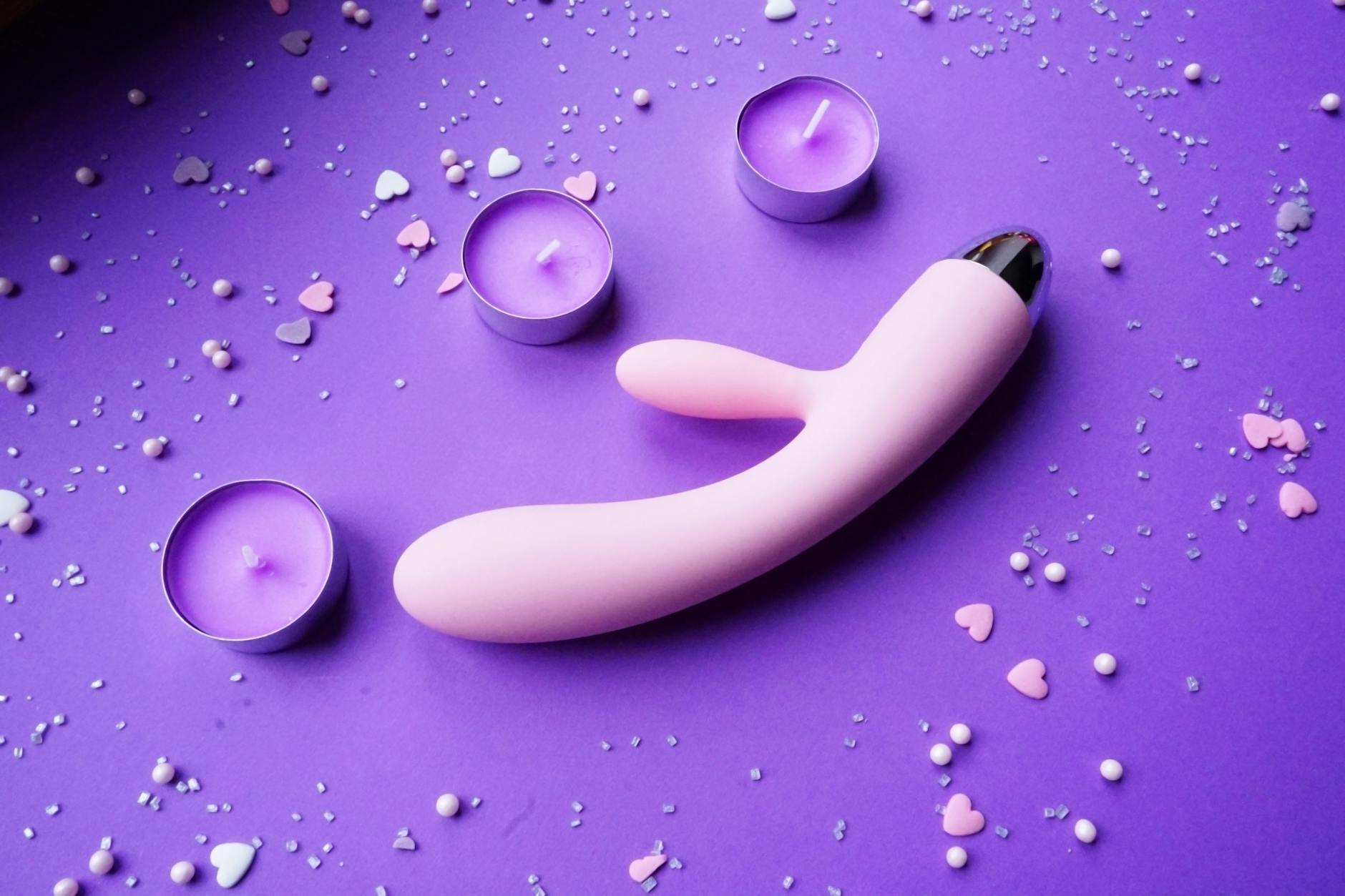
Photo by FounderTips . on Pexels
The solo exploration phase is protective
When pleasure is coming back after depression, solo sessions serve a specific function. They let you gather data about your own body without relational pressure. You learn what speeds and patterns actually feel good to you now, not what felt good before depression, not what you think should feel good. Your actual, current preferences.
This exploration is also psychologically protective. Depression often comes with shame and self-doubt. Adding a partner into the equation too early sometimes retraffics those feelings. But solo time with something like a lemon vibrator, something that has no expectations and no ego, lets you reclaim pleasure as something that belongs to you first.
Many of my clients describe this phase as a kind of meditation. The focus required to notice subtle shifts in sensation, the permission to explore without goal, the predictability of the device itself. It's grounding work.
Starting small with intensity and duration
If you haven't had much sexual sensation in months, starting with a full-intensity device on pattern 5 is going to feel overwhelming, not good. The nervous system can actually shut down under that much stimulus if you're not ready.
Instead, plan for 5-10 minutes max on your first few solo sessions. Start at pattern 1 or 2. Notice what you notice. Does arousal build? Does it feel pleasant? Are there spots on the clitoral area that feel more or less sensitive? This is information gathering, not performance.
Some people find that it takes several sessions before anything registers as particularly pleasurable. That's not failure. That's your nervous system gradually unlocking the pathways that depression had quieted. Patience here pays off more than pushing.
Reconnecting with a partner when you're ready
Once you've spent a few weeks or months getting reacquainted with your own body solo, bringing a partner back into pleasure gets easier. And here's the key difference: now you have actual information about what works for you. You're not guessing.
You can suggest starting with the lemon vibrator during partnered time. This removes the pressure on your partner to be the sole source of stimulation, which often feels like a relief to both of you. It also keeps the experience grounded in what you've already learned feels good.
If your partner has been waiting for your desire to return, they might actually feel grateful to have something concrete to do together. It's not replacing them. It's creating a structure that works for both of your nervous systems right now.
When depression and libido return unevenly
Here's something important: depression doesn't always lift evenly. Your mood might stabilize while your physical motivation still feels sluggish. Or you might feel mentally better but your body feels numb. These asynchronicities are real and don't mean anything is wrong.
If mood has improved but sensation is still flat, continuing solo exploration with a lemon vibrator can actually help with the physical stalling. Gentle, regular stimulation can help wake up nerve pathways. If your body has returned to normal sensitivity but depression is still present, you might use solo time as a form of self-care and mood regulation, since sexual pleasure does shift neurotransmitters.
The point is to stay in conversation with what's actually happening, not what you expect to happen.
Medication changes and returned sensation
Many antidepressants can suppress sexual desire and sensation as a side effect. When you switch medications or adjust doses, sometimes that suppression lifts. The returned sensation can feel sudden and almost foreign. If this is part of your story, it's worth having a separate conversation with your prescriber about whether your medication is still right, because there are options.
In the meantime, lemon clitoral vibrators can help you navigate that transition safely. They let you gradually increase stimulation as your body tolerates it, without the pressure of partnered sex or the unpredictability of trying to manage sensation during a medication shift.
A note on patience and self-compassion
Rebuilding pleasure after depression isn't fast, and it shouldn't be rushed. Every body returns to desire differently. Some people get there in weeks. Others need months. Both are normal. Both deserve respect.
What matters most is that you're rebuilding on your own terms, at your own pace, with tools that give you control. A lemon vibrator is one of those tools. It's patient. It never judges. It's there when you're ready and gone when you're not.
Your pleasure matters. And it matters that the path back to it feels safe, manageable, and genuinely connected to what your body actually wants right now. Solo exploration with a gentle clitoral vibrator creates that space.
Reconnecting with desire after depression is real work, but it's work your body wants to do. Take your time.
People also ask
How long does it usually take for libido to return after depression?
There's no single timeline. Some people notice a shift in desire within weeks of their mood improving. Others take several months. It depends on how long the depression lasted, what caused it, whether you're on medication, and how your individual neurobiology works. If you're on antidepressants, libido typically starts returning within the first 3-6 months, though some people experience suppression. Talk to your doctor if you're concerned.
Can lemon vibrators help if I still feel numb during sex?
Yes, and that's actually a primary reason people use them during recovery. The gentle, controlled stimulation of a lemon clitoral vibrator can help re-sensitize nerve endings without overwhelm. Start with low intensity and short sessions. Numbness during arousal is common during depression recovery and often improves with time and gentle, consistent stimulation.
Is it normal to feel anxious when libido comes back?
Very normal. Depression changes your relationship to your own body. When sensation returns, it can bring up complicated feelings. Some people feel guilty about wanting pleasure again. Others worry they're "too eager" or that something is wrong. These feelings usually settle as you adjust. Solo exploration can help you process this in a low-pressure way.
Should I tell my partner I'm using a clitoral vibrator during my recovery?
If you're in a committed relationship, transparency usually helps. But it doesn't have to be a big conversation. Something like "I'm exploring what feels good right now and working through some stuff" is often enough. Many partners actually feel relieved knowing you have a way to explore safely without putting pressure on them.
What if orgasm still doesn't happen for a while?
Orgasm is often the last thing to return after depression. Some people's nervous systems take months to rebuild that capacity. This doesn't mean anything is broken. Keep exploring solo. Stay in touch with sensation without making climax the goal. Often, when you stop fixating on it, it returns on its own.
Can I use a lemon vibrator if I'm still on antidepressants?
Absolutely. Some antidepressants do suppress libido and sensation, but using a vibrator doesn't conflict with that medication. It might actually help you work through any numbness caused by the drugs. If you're concerned about how your medication is affecting desire, that's a conversation for your prescriber, but using a lemon clitoral vibrator in the meantime is a safe, helpful approach.
Next steps
If you're navigating desire's return after depression, you're not alone in this. Thousands of people go through this exact transition. What helps most is patience with yourself and tools that let you rebuild on your own terms.
Take time to explore. Notice what feels good. Trust your body's pace. And if you have questions about pleasure, recovery, or navigating this with a partner, reach out to us. We're here to help.
Your pleasure is worth protecting. And it's worth rebuilding slowly, gently, and exactly on your timeline.